
How To
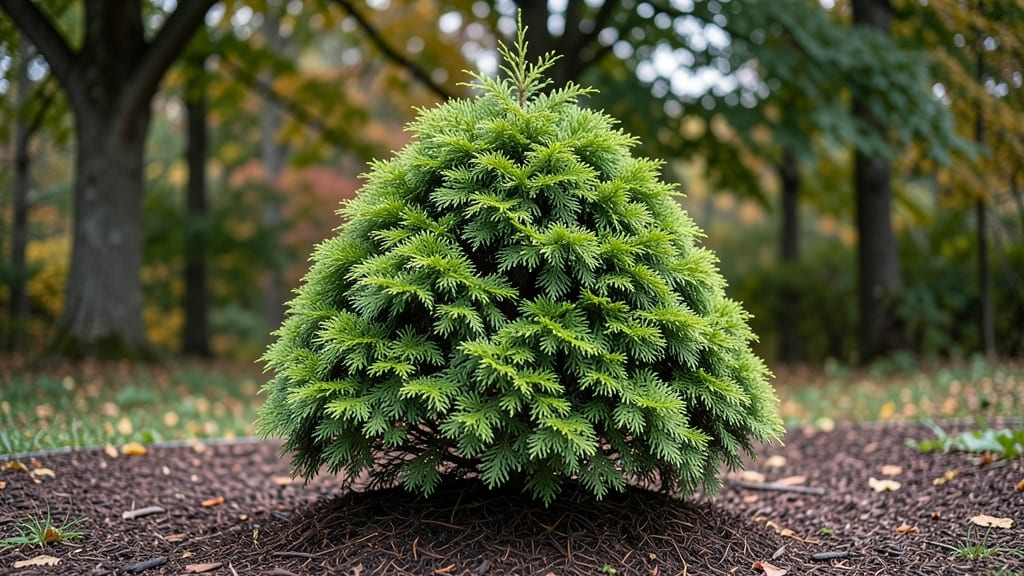
If you're planning your landscape and wondering "how tall do North Pole Arborvitae grow", you're in the right place. This compact evergreen 🌲 typically reaches a mature height of 3 to 6 feet, making it perfect for hedges, borders, or foundation plantings without overwhelming your space.
The beauty of North Pole Arborvitae lies in its predictable growth—expect about 6 to 12 inches of new height each year under ideal conditions.
But here’s the key: proper spacing and occasional pruning can keep it at your desired height, whether you want a low hedge or a slightly taller screen.
What sets this variety apart is its adaptability to different climates, especially in zones like 6a. Whether you're planting in spring or adjusting an existing shrub, understanding its growth habits helps you create the perfect landscape design without surprises.
Ready to learn how to control its height and maximize its potential? Let’s break down everything you need to know for a thriving, well-managed North Pole Arborvitae in your yard.

North Pole Arborvitae height by year: growth chart from seedling to mature tree
The North Pole Arborvitae (Thuja occidentalis 'North Pole') is a compact evergreen that matures at a predictable pace, making it perfect for hedges, privacy screens, or foundation plantings. Unlike its larger cousins like Green Giant, this variety stays 3–6 feet tall at maturity—ideal for smaller yards or urban landscapes.
But how fast does it grow? The answer depends on your pruning habits, soil quality, and sunlight exposure.
In the first year, expect 1–2 feet of growth if planted in well-draining soil with partial sunlight. By year 3, your North Pole Arborvitae will typically reach 3–4 feet, and by year 5, it’ll hit its mature height range.
With proper care, it can grow 6 inches per year after establishment, but aggressive pruning can slow this down significantly.
Here’s the key: Urban environments with limited space and compacted soil may see slower growth (closer to 2–3 feet mature height), while rural settings with rich, loamy soil and full sun can push it toward the 6-foot mark.
The chart below breaks down the growth timeline year by year, including pruning impact and spacing recommendations.
| Age (Years) | Height Range (ft) | Annual Growth (in) | Spacing (ft) | Pruning Tip |
|---|---|---|---|---|
| 0–1 | 1–2 ft | 12–24 in | 3 ft apart | Minimal pruning |
| 2–3 | 2–3 ft | 12–18 in | 4 ft apart | Shape in spring |
| 4–5 | 3–4 ft | 6–12 in | 5 ft apart | Trim brown tips |
| 6–10 | 4–6 ft | 3–6 in | 6 ft apart | Light maintenance |
| Mature (10+) | 3–6 ft | Minimal | 6–8 ft apart | Prune for shape |
If you’re planting North Pole Arborvitae as a hedge, space them 3–4 feet apart for a tight, uniform look. For specimen planting, give them 5–6 feet of clearance to avoid overcrowding.
One common mistake? Planting too close to sidewalks or driveways, which can restrict root growth and stunt height.
For faster growth, focus on these three factors: well-draining soil, morning sunlight, and consistent watering (deep soaks once a week in dry spells). Avoid waterlogged soil, which can cause root rot and slow growth. In urban areas, consider adding compost to improve soil aeration.
Pro tip: If your North Pole Arborvitae starts to lean or grow unevenly, it’s likely due to uneven sunlight. Rotate the plant quarter-turns annually to encourage balanced growth. This is especially useful for hedge plantings where symmetry matters.
By year 5, your <
How to control North Pole Arborvitae height: pruning tips for compact growth
The North Pole Arborvitae typically reaches 3–6 feet tall at maturity, but with strategic pruning, you can keep it even shorter—ideal for tight spaces or formal hedges. The key is timing and technique.
Prune in late winter or early spring (February–March) before new growth begins, or lightly shape in summer after flowering to avoid stressing the plant. Avoid heavy pruning in fall, as it can stimulate tender growth vulnerable to frost damage.
For compact growth, aim to remove no more than 25% of the foliage in a single session. Use sharp, clean pruners to make cuts just above a leaf node or bud.
This encourages bushier, denser growth rather than leggy stems. If your tree is already too tall, gradual reduction over 2–3 years prevents shock and promotes recovery.
🌱 Step-by-Step Pruning Guide
- Step 1: Inspect for dead/diseased branches. Remove these first with sterilized pruners.
- Step 2: Shape the canopy by trimming outer branches to encourage density.
- Step 3: Use hand pruners for small branches (1/4-inch diameter) and loppers for thicker stems.
- Step 4: Clean up debris and disinfect tools with rubbing alcohol to prevent disease.
- Step 5: Water deeply after pruning to reduce stress.
Pruning also helps maintain the pyramidal shape that makes North Pole Arborvitae so attractive. If you notice bare spots at the base, it’s a sign of over-pruning or poor sunlight. To fix this, reduce pruning intensity and ensure the plant gets at least 3–6 hours of sunlight daily.
For hedge training, use a string guide to keep cuts even.
Fertilizing plays a subtle role in height control. Apply a balanced 10-10-10 fertilizer in early spring to support healthy growth, but avoid over-fertilizing, which can lead to rapid, weak growth.
Mulch around the base with 2–3 inches of organic mulch (like pine straw) to retain moisture and regulate soil temperature, further promoting steady, manageable growth.
Common mistakes to avoid include pruning in fall (which can invite pests) or cutting into old wood (which won’t regrow). If your Arborvitae develops brown tips, it may be a sign of overwatering or salt buildup from winter de-icing.
Adjust your care routine accordingly to keep your plant thriving at your desired height.
With consistent pruning and proper care, your North Pole Arborvitae will stay lush, compact, and perfect for landscaping borders, foundation plantings, or small gardens. Start with light pruning and adjust based on its response—your tree will thank you with vibrant, healthy growth! 🌿