
Trees
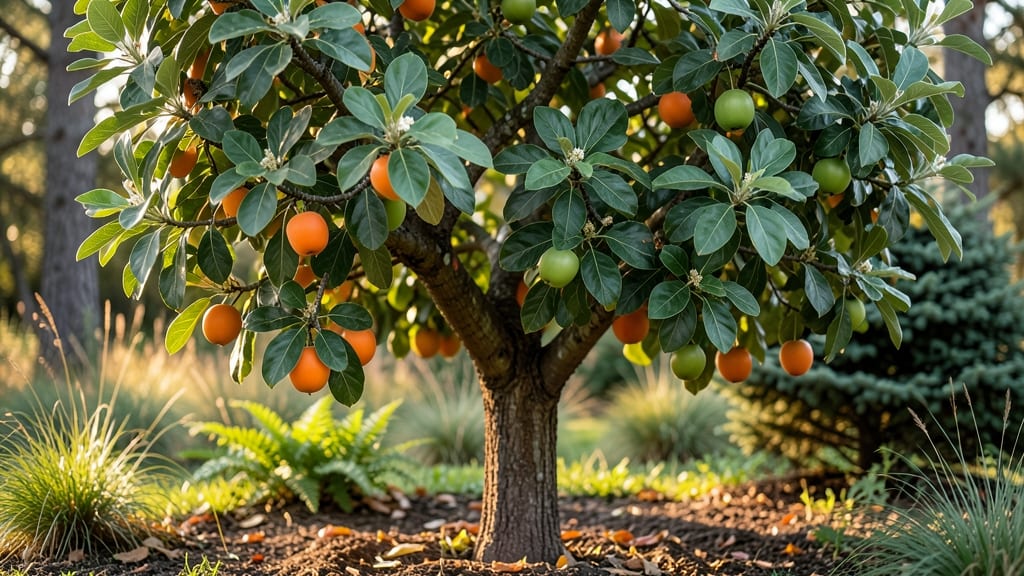
If you're planning to add a persimmon tree 🍠 to your garden, you might be surprised to learn that how tall persimmon trees grow can vary dramatically—from a manageable 10 feet to towering over your house at 50 feet or more.
This difference isn’t just about space; it’s about choosing the right variety for your yard, whether you’re dreaming of a compact patio tree or a full-sized fruit-bearing giant.
Understanding the height potential of persimmon trees is the first step to making the right choice. Some varieties, like the American persimmon, can grow wild and tall, while others, such as certain Asian cultivars, are bred to stay smaller and more manageable.
The key is knowing which type fits your space and goals.
In this guide, I’ll break down the height ranges for the most popular persimmon varieties, from dwarf options perfect for containers to standard trees that need plenty of room.
You’ll also learn how sunlight, soil, and pruning can influence growth—so you can set your tree up for success from day one.
Whether you’re a backyard gardener with limited space or an orchard enthusiast with acres to fill, there’s a persimmon tree size that’s just right for you. Let’s explore the options so you can plant with confidence.

Persimmon tree height by variety: dwarf to giant size guide
Persimmon trees come in a stunning range of sizes, from dwarf varieties perfect for small yards to giant specimens that dominate orchards. The height you’ll end up with depends entirely on the variety you choose, whether it’s an American persimmon or an Asian persimmon.
Understanding these differences is key to planning your garden layout and ensuring your tree thrives without crowding other plants.
If you’re working with limited space, dwarf varieties can reach just 10-15 feet tall, while standard varieties often soar to 30-50 feet or more. The good news? Many modern hybrids offer a middle-ground option with semi-dwarf sizes around 15-25 feet.
Let’s break down the most popular types and their mature heights to help you make the best choice for your space.
| Variety | Type | Mature Height | Growth Rate | Best For |
|---|---|---|---|---|
| American Persimmon | Standard | 30-50 ft | Slow to Moderate | Large yards, wildlife gardens |
| Asian Persimmon ('Fuyu') | Semi-Dwarf | 15-25 ft | Moderate | Home gardens, containers |
| Asian Persimmon ('Hachiya') | Standard | 25-40 ft | Moderate | Orchards, large properties |
| Dwarf Varieties (e.g., 'Meader') | Dwarf | 10-15 ft | Slow | Containers, small spaces |
| Hybrid Varieties (e.g., 'Eureka') | Semi-Dwarf | 18-25 ft | Moderate | Medium-sized yards |
The American persimmon is the tallest native variety, often reaching 50 feet in ideal conditions, making it better suited for wildlife gardens or large rural properties. In contrast, Asian persimmons like 'Fuyu' and 'Hachiya' offer more manageable sizes, with 'Fuyu' staying around 15-25 feet—perfect for suburban backyards.
If you’re after a compact option, look for dwarf varieties like 'Meader', which max out at 10-15 feet and are ideal for container gardening.
One factor that influences height is pruning practices. Regular pruning can keep a tree smaller and encourage a fuller shape, but it won’t drastically reduce the genetic potential of a variety.
For example, even with pruning, a standard Asian persimmon like 'Hachiya' will still grow taller than a dwarf variety. Always consider the mature height when selecting a spot for your tree, as roots can spread 2-3 times the canopy width.
For urban gardeners or those with limited space, semi-dwarf varieties like 'Eureka' strike a balance, offering fruit production without overwhelming your yard. These trees typically reach 18-25 feet and produce abundant fruit while remaining manageable.
If you’re unsure which variety to choose, consider your long-term goals: Do you want a shade tree, a fruit-bearing specimen, or an ornamental focal point?
Another key consideration is growth rate. While dwarf varieties grow slowly, standard varieties can add 2-3 feet per year in optimal conditions. This means a 5-year-old standard persimmon could already be 10-15 feet tall, so plan accordingly if you’re planting near structures or
Persimmon tree height by variety: dwarf to giant size guide
Persimmon trees come in a stunning range of sizes, from dwarf varieties perfect for containers to giant orchard trees reaching skyscraper heights.
The American persimmon (Diospyros virginiana) typically grows between 40-60 feet tall, while Asian persimmons (Diospyros kaki) range from 15-30 feet depending on the cultivar. Choosing the right size ensures your tree thrives without crowding your landscape.
For gardeners with limited space, dwarf persimmon varieties like 'Meader' or 'Golden Rainbo' stay under 10-15 feet tall, making them ideal for small yards or urban gardens. Meanwhile, standard varieties like 'Fuyu' or 'Hachiya' can reach 20-30 feet, requiring more room to spread their branches and roots.
| Variety | Mature Height | Growth Rate | Best For |
|---|---|---|---|
| American Persimmon | 40-60 ft | Slow to moderate | Large yards, wildlife gardens |
| Asian Persimmon (Standard) | 20-30 ft | Moderate | Home orchards, fruit production |
| Dwarf Asian Persimmon | 10-15 ft | Slow | Containers, small spaces |
| Hybrid Varieties (e.g., 'Meader') | 15-25 ft | Moderate | Urban gardens, mixed landscapes |
When selecting a persimmon tree, consider not just height but also spread and root depth. A 60-foot-tall American persimmon needs at least 30 feet of clearance in all directions, while a 10-foot dwarf can thrive in a 5-gallon container with proper care.
Always check the USDA hardiness zone for your region to ensure the variety will thrive.
For faster establishment, plant young grafted trees in early spring, giving them 6+ hours of sunlight daily and well-draining soil. Mulch around the base to retain moisture and suppress weeds, which is especially important for young trees with shallow root systems.
Regular pruning in late winter helps maintain shape and encourages fruit-bearing branches.
If you're growing persimmons for fruit, remember that taller trees produce more, but dwarf varieties often yield earlier and more reliably in containers.
For example, a 15-foot 'Fuyu' tree can produce 50-100 fruits per season, while a 50-foot American persimmon may yield hundreds—but only if given ample space and nutrients.
Whether you choose a compact dwarf or a towering standard, persimmon trees reward patience with stunning fall foliage and delicious fruit. Just be sure to account for their mature size when planning your garden layout!