
How To
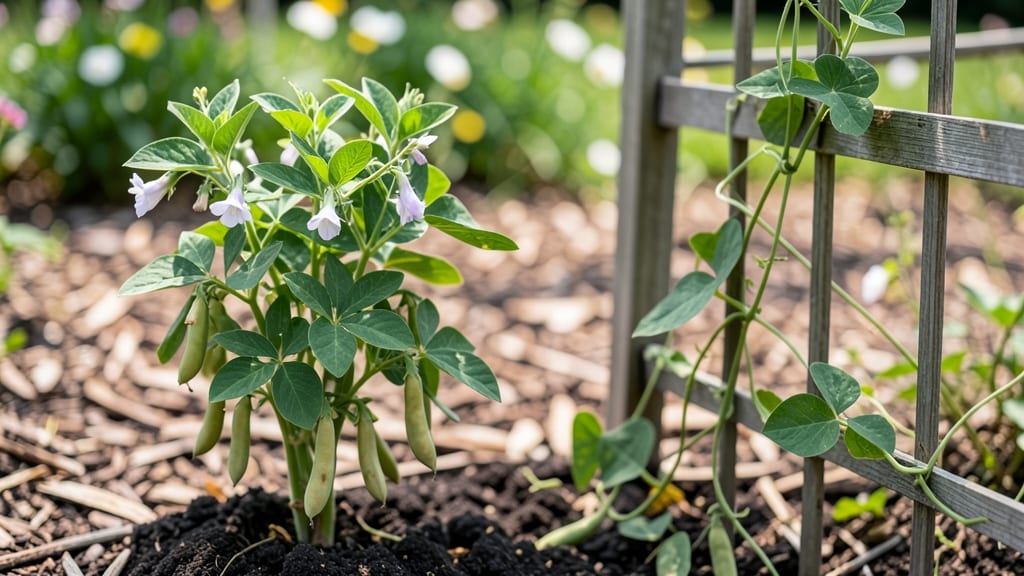
If you're planning your garden layout this spring, knowing how tall do pinto beans grow could make all the difference in maximizing your space and harvest. These versatile legumes come in two main varieties—pole and bush—that behave completely differently when it comes to height and care.
Pole 🌱 pinto beans can climb 6 to 10 feet tall if given proper support, turning them into vertical space-savers for small gardens. Meanwhile, bush varieties stay compact at just 2 to 3 feet, making them ideal for containers or tight plots.
The right choice depends on your garden's layout and how much maintenance you're willing to invest.
Understanding these height differences isn't just about aesthetics—it directly impacts planting spacing, trellising needs, and even yield potential. I'll break down everything you need to know so you can pick the perfect variety for your growing conditions and space constraints.
Whether you're a beginner gardener or a seasoned pro, getting this right ensures healthier plants, easier harvesting, and more room for other crops. Let's dive into the specifics so you can plan with confidence.

Pinto bean height comparison: pole vs bush varieties explained
When planning your garden layout, knowing how tall pinto beans grow is essential—especially since they come in two distinct forms: pole beans and bush beans. These varieties don’t just differ in height; they also impact your planting spacing, support needs, and even your harvest strategy.
Let’s break down the key differences so you can choose the right type for your space and goals.
Pole beans are the tallest variety, reaching heights of 6 to 10 feet when given proper support. They grow vertically, clinging to trellises, fences, or stakes with tendrils, making them perfect for small gardens or vertical gardening.
In contrast, bush beans stay compact, typically growing 2 to 3 feet tall, which makes them ideal for container gardens or tight spaces.
Here’s the critical difference: pole beans produce more beans per plant but require vertical support structures, while bush beans yield slightly fewer beans but need minimal space and no extra support. Your choice depends on whether you prioritize space efficiency or harvest volume.
| Variety | Height Range | Growth Habit | Support Needed | Planting Spacing |
|---|---|---|---|---|
| Pole Beans | 6–10 ft | Climbing (needs trellis) | Trellis, fence, or stakes | 4–6 inches apart in rows 3 ft apart |
| Bush Beans | 2–3 ft | Bushy (no support) | None | 3–4 inches apart in rows 18–24 inches apart |
If you’re growing pole beans, invest in a sturdy trellis system to support their weight, especially as they mature. A 6-foot trellis is ideal for most varieties, but taller structures (up to 10 feet) can accommodate larger plants.
For bush beans, no support is needed, but ensure they’re planted in well-draining soil to prevent root rot.
Another factor to consider is harvest timing. Pole beans produce beans over a longer season, often requiring multiple harvests, while bush beans typically yield all at once.
If you prefer a steady supply of fresh beans, pole beans are the way to go. For a quick, all-at-once harvest, bush beans might be more convenient.
For container gardens or small urban spaces, bush beans are the clear winner due to their compact size. However, if you have vertical space—like a fence or pergola—pole beans can maximize your garden’s productivity without taking up valuable ground space.
Both varieties thrive in full sun and warm soil, so plant them after the last frost when temperatures consistently stay above 60°F.
Pro tip: If you’re unsure which to choose, try growing both! Plant a few bush beans in containers near your trellis and compare their yields. You might discover that pole beans produce more beans per square foot, even if they take up vertical space instead of horizontal.
Remember, the height of your pinto beans isn’t just about aesthetics—it directly impacts your garden’s layout, productivity, and even your harvest strategy. Whether you’re a beginner or a seasoned gardener, understanding these differences will help you make the best choice for your garden’s unique conditions.
Now that you know the height differences, let’s explore how to maximize your pinto beans’ growth—no matter which variety you choose! 🌱
Pinto bean height comparison: pole vs bush varieties explained
When planning your garden, knowing how tall pinto beans grow is key to choosing the right variety for your space. Pinto beans come in two main types: pole beans and bush beans, each with distinct height ranges and growth habits that impact your planting strategy.
Pole beans are the tallest variety, reaching heights of 6 to 10 feet when given proper support. These vining plants need trellises, fences, or stakes to climb, making them ideal for vertical gardening in small spaces.
Bush beans, on the other hand, stay compact at 2 to 3 feet tall and don’t require support, making them perfect for ground-level planting.
| Variety | Height Range | Growth Habit | Support Needed |
|---|---|---|---|
| Pole Beans | 6-10 feet | Climbing vines | Trellis, fence, or stakes |
| Bush Beans | 2-3 feet | Compact, upright | None required |
Pole beans thrive when given vertical space, allowing you to save garden real estate while maximizing yield. Their tall growth habit means they need at least 3-4 feet of vertical clearance to avoid shading nearby plants.
Bush beans, meanwhile, grow in neat, bushy clusters that fit neatly into garden beds or containers.
If you’re short on space, pole beans are a game-changer. A 6-foot trellis can support multiple plants, while bush beans require only 18-24 inches of spacing between plants. Both types produce delicious pinto beans, but their height differences will shape your garden layout entirely.
For best results, choose pole beans if you have tall structures like fences or trellises, or opt for bush beans if you prefer a low-maintenance, ground-level crop. Either way, understanding their mature height ensures your garden stays organized and productive.
Pro tip: If you’re unsure which to pick, try growing both! Pole beans offer higher yields per square foot, while bush beans are easier for beginners. 🌱