
How To
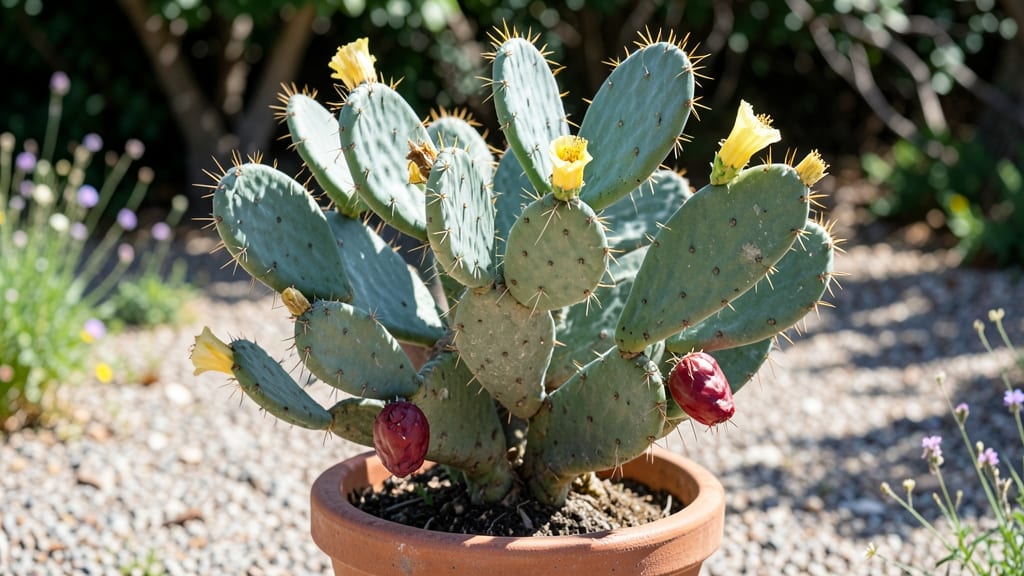
Wondering how tall do prickly pear cactus grow before they become unmanageable in your garden? These resilient desert plants can surprise you—some stay compact enough for container gardening, while others stretch toward the sky like natural skyscrapers.
The variety you choose and where you live play huge roles in their eventual height, with some reaching 20 feet in ideal conditions.
If you're planning your landscape or just curious about their growth habits, knowing these details helps you pick the perfect 🌵 prickly pear for your space. Whether you want a low-growing ground cover or a dramatic focal point, understanding their growth patterns lets you make informed choices.
Let’s explore the different varieties and what influences their height over time.
From the sprawling pads of Opuntia ficus-indica to the towering columns of other species, each type has its own growth quirks. Some grow wider than they do tall, while others shoot straight up like vertical sculptures.
The right care—like sunlight, soil, and water—can even help you steer their growth in the direction you want.
Ready to find out which prickly pear fits your garden best? We’ll break down the height ranges, care tips, and even how to keep them in check if they start getting too ambitious. Your perfect desert plant is just a few clicks away!

Prickly pear cactus height by variety: mature size chart
Prickly pear cactus (Opuntia spp.) offer a stunning range of heights, from compact ground-hugging varieties to towering columnar giants. The mature size depends entirely on the species—some stay under 3 feet, while others can soar to 20 feet or more.
If you're planning your garden layout, knowing these height differences will help you choose the perfect variety for your space.
Most prickly pears grow vertically in arid climates but sprawl horizontally in warmer, humid conditions. For example, Opuntia ficus-indica—the classic barbary fig—often grows 10-15 feet tall in desert landscapes but may spread wider in coastal regions.
Meanwhile, dwarf varieties like Opuntia microdasys (bunny ears) stay 2-4 feet tall, making them ideal for containers or small gardens.
Below is a detailed height comparison of popular prickly pear varieties, including their growth habits and ideal growing conditions. Use this chart to visualize how each type will fit into your garden or container setup.
| Variety | Mature Height | Growth Habit | Notes |
|---|---|---|---|
| Opuntia microdasys (Bunny Ears) | 2–4 ft | Compact, rounded | Great for containers; drought-tolerant |
| Opuntia humifusa (Eastern Prickly Pear) | 3–6 ft | Sprawling to semi-upright | Native to U.S.; cold-hardy to Zone 4 |
| Opuntia ficus-indica (Barbary Fig) | 10–15 ft | Columnar or sprawling | Edible fruit; needs well-draining soil |
| Opuntia robusta (Devil’s Tongue) | 12–20 ft | Tall, columnar | Drought-resistant; slow-growing |
| Opuntia santa-rita (Santa Rita Prickly Pear) | 6–10 ft | Upright, bushy | Thick pads; thrives in heat |
| Opuntia basilaris (Beavertail) | 4–8 ft | Low-growing, spreading | Cold-hardy; great for ground cover |
If you're working with limited vertical space, dwarf varieties like Opuntia microdasys or Opuntia humifusa are excellent choices. For bold statement plants, Opuntia robusta or Opuntia ficus-indica will add dramatic height to your landscape.
Just remember: prickly pears thrive in full sun and well-draining soil—neglect these needs, and even dwarf varieties may struggle to reach their full potential.
For container gardening, stick to varieties under 5 feet tall to ensure they fit on patios or balconies. Larger species like Opuntia robusta need ground planting and plenty of room to spread their roots.
Always check your USDA hardiness zone—some varieties, like Opuntia humifusa, can tolerate colder climates (Zone 4), while others, like Opuntia ficus-indica, prefer warmer zones (Zone 9+).
Pro tip: Measure your space before planting. Prickly pears grow slowly in their first few years but can double in size once established. If you're unsure about a variety's final height, opt for a semi-dwarf like Opuntia santa-rita—it offers a balance between manageable size and striking appearance.
🌵
Factors that influence prickly pear cactus growth height
Prickly pear cactus height isn’t set in stone—it’s shaped by a mix of natural conditions and care choices. Unlike some plants that grow predictably, these cacti respond dramatically to their environment.
For example, a dwarf variety like Opuntia microdasys might stay under 3 feet in a pot, while the same species sprawls to 6 feet in ideal desert soil.
The sunlight exposure is the #1 factor. Prickly pears thrive in full sun (6+ hours daily), where they grow taller and denser. Move one to partial shade, and it’ll stretch awkwardly, reaching for light—sometimes 20% taller than its sun-grown cousin.
My Opuntia ficus-indica in Arizona hits 12 feet, while the same plant in my friend’s shady patio maxed out at 5 feet.
- Sunlight: Full sun = taller growth (6+ ft); partial shade = leggy, slower growth (3-5 ft).
- Soil drainage: Sandy/rocky soil = faster vertical growth; clay soil = stunted roots, shorter height.
- Watering: Deep, infrequent watering = compact growth; overwatering = weak stems, floppy pads.
- Pruning: Regular pruning = bushier, shorter habit; no pruning = taller, sparser stems.
- Climate: Arid zones = rapid growth (10+ ft); temperate zones = slower, shorter growth (5-8 ft).
Soil type plays a sneaky role too. Prickly pears hate soggy roots, so well-draining soil (like gravelly or sandy mixes) encourages deep root systems, which support taller growth. Amend heavy clay with perlite or coarse sand—I did this for my Opuntia robusta, and it shot up 3 feet faster than neighbors in pure clay.
Your watering habits can shrink or stretch your cactus. Deep watering every 2-3 weeks (in summer) promotes sturdy stems, while frequent shallow watering leads to weak, elongated pads.
Overwatering? That’s a fast track to rot and stunted growth. My first prickly pear died because I watered it like a houseplant—never again!
Even pruning techniques tweak height. If you want a bushier, shorter plant, trim back the tallest stems in early spring. I prune my Opuntia humifusa every year, and it stays a neat 4-foot hedge instead of a wild 8-foot monster. Just remember: Always prune in dry weather to avoid rot.
Finally, climate zones set the baseline. In USDA Zones 9-11 (desert climates), prickly pears grow aggressively—10+ feet in 5 years. But in cooler Zone 7**, they’ll grow slower, topping out at 6-8 feet.
My Opuntia basilaris in Colorado barely hits 3 feet, while my sister’s identical plant in Texas is a 12-foot wall.
So, if you’re planning your garden layout, pick your spot wisely. A sunny, well-drained site with minimal watering will give you that dramatic 10-foot specimen, while shade and overwatering will keep it small—but still stunning. 🌵