
Plants
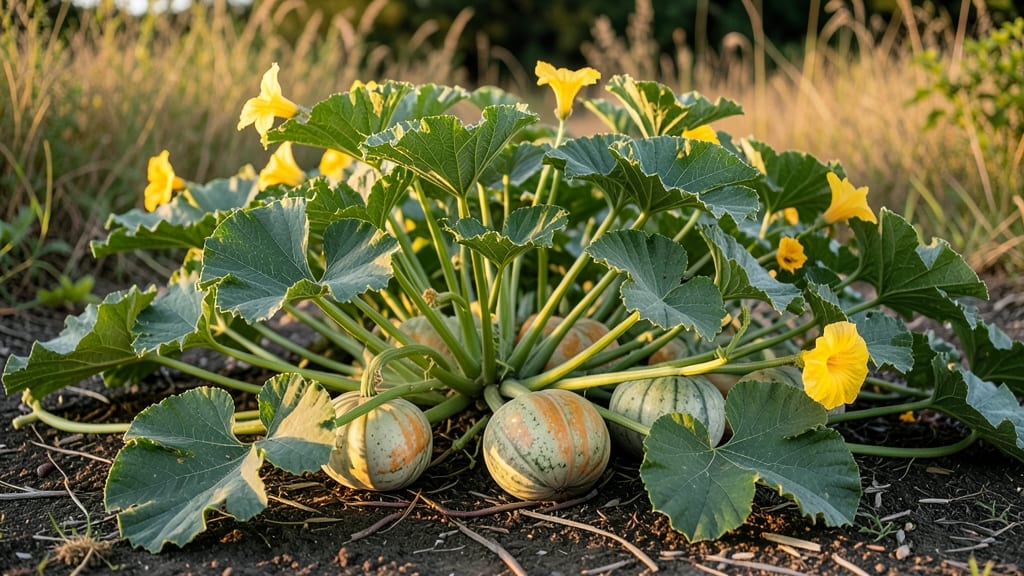
Wondering how tall do pumpkin plants grow before they take over your garden? If you’ve ever imagined growing 🎃 pumpkins but hesitated because of space concerns, you’re not alone—some varieties stretch 20 feet or more!
Most classic pumpkins, like the ones you carve for Halloween, send out sprawling vines that need plenty of room to roam. But here’s the good news: not all pumpkins are space hogs. Compact varieties stay under 5 feet, making them perfect for small yards or even containers.
Whether you’re working with a tiny balcony or a sprawling backyard, I’ll show you how to choose the right pumpkin type and manage their growth. You’ll learn about trellising, pruning, and other tricks to keep your pumpkins happy without sacrificing your garden’s layout.
Let’s dive into the world of pumpkin vines—where space-saving meets big harvests, and you’ll never have to worry about those rambling plants again.

Standard pumpkin vine growth: how tall do most varieties get?
Pumpkin plants are famous for their aggressive vining habits, but their height depends entirely on the variety and growing conditions. Most traditional pumpkins—like the classic Jack-o'-Lantern or Sugar Pie—can spread 10 to 30 feet in a single season, with vines stretching wider than they grow tall.
These sprawling giants need plenty of space to thrive, but their height rarely exceeds 2 to 3 feet above the ground unless trained vertically.
Think of pumpkin vines like creeping vines on a jungle floor—they prioritize horizontal growth over vertical height.
The root system alone can spread 2 to 3 feet deep and 10 feet wide, which is why gardeners often plant seeds in mounds of soil to encourage root development and reduce soil-borne diseases. This mound technique also helps lift the fruit off damp ground, preventing rot.
The Cucurbita pepo species (which includes most common pumpkins) typically matures in 90 to 120 days, with vines reaching their full length by mid-summer. Varieties like Cinderella or Howden might stay slightly shorter (15 to 20 feet), but they still demand ample space.
Meanwhile, giant pumpkin varieties (e.g., Atlantic Giant) can produce vines over 30 feet long, though their height remains modest unless supported.
Here’s the key takeaway: Pumpkin height ≠ vine length. While the vines sprawl horizontally, the plant itself stays low to the ground unless you train it upward. This distinction is crucial for garden planning—especially if you’re working with limited space or urban gardening constraints.
The world record giant pumpkin (2023) weighed 2,749 lbs—but its vine likely stretched 50+ feet! Despite the massive fruit, the plant’s height above ground rarely exceeded 3 feet without support.
If you’re growing traditional pumpkins in a backyard, allocate at least 10 feet of space per plant to avoid crowding. Vines compete for nutrients and sunlight, so giving them room improves fruit size and quality.
For example, a Jack-o'-Lantern pumpkin in a cramped space might produce smaller, misshapen gourds due to stress.
Another factor influencing "height" is trellising. While pumpkins aren’t climbers like cucumbers, you can train their vines upward using sturdy trellises or cages. This technique reduces sprawl and makes harvesting easier, though it may limit fruit size since pumpkins rely on direct sunlight for photosynthesis.
For best results, use vertical supports for decorative or bush varieties rather than giant types.
Pro tip: Prune lateral vines to redirect energy toward fruit production. Remove any vines growing toward the center of the plant (where airflow is poor) to prevent powdery mildew and improve yield. This pruning strategy works best in small gardens or containers where space is limited.
For those with limited outdoor space, focus on bush-type pumpkins (like Jackpot or Small Sugar) that stay under 3 feet tall and spread only 4–6 feet. These varieties are perfect for
Space-saving pumpkin varieties: compact options for small gardens
Not all pumpkins need a yard-sized plot to thrive! If you’re working with limited space, compact pumpkin varieties are your best friends. These bush-type pumpkins grow 3–6 feet tall and produce fruit without sprawling vines.
Perfect for containers, balconies, or tight garden corners, they’re ideal for urban gardeners or those with small backyards.
My favorite space-saving varieties include 'Baby Boo', which matures in just 75 days and stays under 2 feet tall, and 'Minnesota Midget', a classic 4–5 foot bush variety. Even 'Jackpot'—a hybrid—reaches only 3–4 feet while yielding 10+ small pumpkins per plant!
Here’s how to maximize their potential in small spaces: Use large containers (at least 15 gallons) with well-draining soil, and place them in full sun. For vertical growth, train vines up a trellis or cage (though bush types need less support).
Just remember—these varieties still need plenty of sunlight and water to produce fruit.
- Space-efficient: Grow in pots or small plots
- Faster maturity: Harvest in 75–90 days
- Less maintenance: No sprawling vines to manage
- Great for containers: Ideal for balconies or patios
- Smaller fruit: Not ideal for giant pumpkins
- Limited yield: Fewer pumpkins per plant
- Still needs sun: Full sun required for best results
For best results, choose dwarf or bush varieties like 'Cinderella' (small, ornamental) or 'Autumn Delight' (prolific, 3–4 feet tall). These types are perfect for beginners and can even be grown in hanging baskets with proper support.
Just avoid standard vining types like 'Howden' or 'Big Max'—they’ll quickly overtake your space!
Pro tip: If you’re growing in containers, use a lightweight potting mix with compost to ensure nutrients reach the roots. And don’t forget to mulch around the base to retain moisture—compact pumpkins still need consistent watering to thrive.
With the right variety and care, you’ll be harvesting pumpkins in even the smallest of spaces!
🌱