
How To
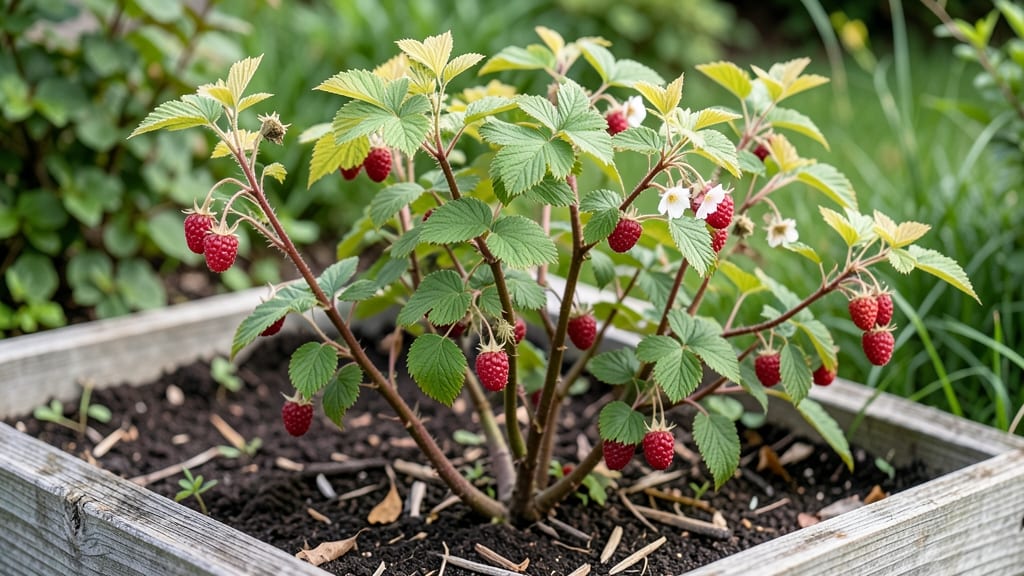
Raspberry bush height by variety: how tall they Really Grow
Raspberry bushes can feel like they’re playing a game of "how tall can I get?"—and the answer depends entirely on the variety you’re growing. Most standard raspberries reach a mature height of 5 to 7 feet, while some aggressive growers can stretch up to 8 feet if left unchecked.
But don’t worry—dwarf varieties exist too, staying a manageable 2 to 3 feet tall. The key is choosing the right type for your space and pruning habits.
Summer-bearing raspberries, like Boyne Gold or Heritage, typically grow taller—up to 6 to 7 feet—because they produce fruit on second-year canes and need room for new growth.
Fall-bearing varieties, such as Fall Red or Autumn Bliss, often stay slightly shorter (4 to 6 feet) since they fruit on both old and new canes. If you’re short on space, consider semi-dwarf varieties like Caroline, which max out around 4 to 5 feet.
Here’s the catch: raspberry canes grow 2 to 3 feet per year in ideal conditions. That means a 1-year-old bush might only be 2 to 3 feet tall, but by year 3, it could be 5 to 6 feet without pruning.
If you’re planting near a fence or trellis, plan for at least 5 feet of vertical space to avoid crowding and improve airflow, which prevents fungal diseases like botrytis.
🌱
| Variety Type | Mature Height | Growth Rate (Per Year) | Best For |
|---|---|---|---|
| Standard (Summer-bearing) | 5–7 ft | 2–3 ft | Large gardens, trellises |
| Semi-Dwarf (Summer-bearing) | 4–5 ft | 1.5–2.5 ft | Small spaces, containers |
| Dwarf (Summer-bearing) | 2–3 ft | 1–2 ft | Balconies, urban gardens |
| Fall-bearing (Ever-bearing) | 4–6 ft | 1.5–2.5 ft | Extended harvest seasons |
| Thornless Varieties (e.g., Heritage) | 5–7 ft | 2–3 ft | Family-friendly gardens |
Soil quality and sunlight also play a role in how tall your raspberries grow. Well-draining, fertile soil with 6+ hours of sunlight daily encourages vigorous growth, while poor soil or shade can stunt canes. If your bushes seem too leggy, they might be reaching for light.
In that case, add a 2-inch layer of compost and consider installing a trellis or wire support to guide their growth upward instead of sprawling.
Another factor? Pruning discipline. If you skip pruning, those canes will keep growing taller and woody, reducing fruit production. But if you prune aggressively every year, you can keep bushes at 4–5 feet even with standard varieties.
The secret is balancing old canes (fruit-bearing) and new canes (next year’s fruit)—more on that in the next section!
Pro tip: If you’re growing raspberries in containers or raised beds, opt for dwarf varieties like Tayberry or Goldie. These stay under 3 feet and thrive in 5-gallon pots with proper drainage. Just remember: even dwarf varieties need support stakes to prevent flopping, especially when laden with fruit.
🌿
Ever wondered why some raspberry bushes in your neighborhood look like bamboo shoots while others stay neat and compact? It’s often due to the root system. Raspberries spread via underground runners, which can create new plants up to 6 feet away if not controlled.
To keep your patch contained, install a barrier 12–18 inches deep around the planting area. This simple trick prevents volunteer plants from popping up everywhere and keeps your main bushes focused on growing upward rather than outward.
Lastly, don’t forget that climate matters. In warmer climates (USDA Zones 8–10), raspberries may grow faster and taller due to longer growing seasons. In cooler zones (5–7), they might stay slightly shorter but produce hardier canes. Always check your variety’s recommended hardiness zone to avoid disappointment.
✂️
Pruning hacks to keep raspberry bushes compact (without sacrificing fruit)
Raspberry bushes can shoot up like weeds if left unchecked, but strategic pruning keeps them at a manageable height while maximizing your harvest. The key is understanding when and how much to trim—especially for summer-bearing vs. fall-bearing varieties.
Summer-bearing types fruit on second-year canes, while fall-bearing varieties produce on current-year growth, so their pruning needs differ dramatically.
For summer-bearing raspberries, prune in late winter (before buds swell) by removing all old canes (those that fruited last year) and thinning the remaining canes to 6-8 strong stems. This keeps heights between 4-6 feet and prevents overcrowding.
Fall-bearing varieties, on the other hand, need a gentler touch—prune lightly in early spring to shape the bush, then remove only weak or damaged canes to maintain a 4-5 foot frame.
🌱 Step-by-Step Pruning Guide
- Step 1: Identify old vs. new canes. Old canes are brown and woody; new ones are green and flexible.
- Step 2: For summer-bearing types, cut all old canes to the ground in late winter.
- Step 3: Thin remaining canes to 6-8 strong stems, spacing them evenly.
- Step 4: Use bypass pruners for clean cuts, avoiding jagged edges.
- Step 5: For fall-bearing types, prune lightly in spring, removing only dead or crossing canes.
Timing is everything—prune too early, and you risk damaging buds; prune too late, and the plant wastes energy on unnecessary growth. Always use sharp, clean tools to prevent disease spread. A trellis system also helps control height by guiding canes upward, reducing sprawl and making pruning easier.
With consistent pruning, you’ll keep your bushes at an ideal 4-5 feet, perfect for picking without a ladder!
Pro tip: Label your canes in early spring with colored flags to track their age. This makes it easier to identify which canes to keep or remove during pruning season. A little organization now saves headaches (and tangled canes) later.
Remember, less is more when pruning fall-bearing varieties—they produce fruit on current-year growth, so aggressive cuts can reduce your harvest. For summer-bearing types, radical pruning in winter is essential to encourage new, productive canes. Balance is key to keeping your raspberries compact yet fruitful!
🌿✂️🍇