
Trees
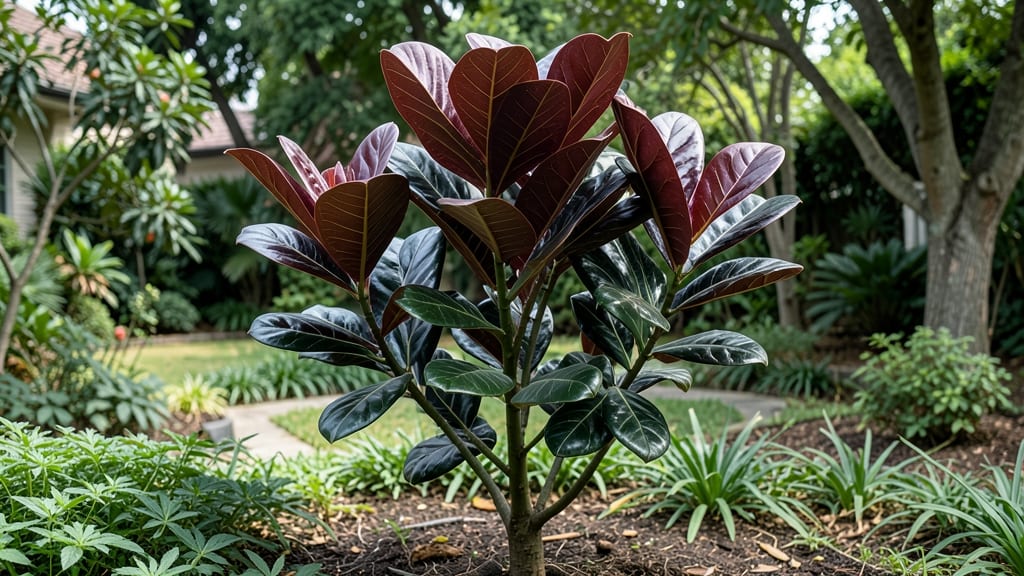
If you're wondering how tall do rubber trees grow, the answer might surprise you—especially if you're imagining a tiny tabletop plant. These resilient 🌳 beauties can stretch from modest 10-foot statement pieces to towering 30-foot giants when given the right conditions, both indoors and out.
But here's the catch: your rubber tree's ultimate height depends on more than just its variety. Indoor plants typically stay on the shorter side unless you're cultivating a specific "tree" look, while outdoor specimens in warmer zones can reach their full potential.
The key? Light, pruning, and a little patience—because even the fastest-growing varieties take years to mature.
Let's break down exactly what to expect from popular rubber tree varieties, how to control their height with simple pruning tricks, and the surprising factors that can make your plant grow faster (or slower) than you'd imagine.
You'll learn how to keep your rubber tree at your desired size while keeping it thriving.
Whether you're working with a Black Prince or a variegated Tineke, this guide will help you visualize your rubber tree's growth journey—so you can plan your space and care routine like a pro from day one.

Rubber tree height by variety: indoor growth charts and mature sizes
Rubber trees (Ficus elastica) are famous for their dramatic height potential, but their growth indoors depends heavily on the variety you choose. Some stay compact, while others can reach ceiling-height giants with proper care.
Below, I’ll break down the average heights of popular rubber tree cultivars at key growth stages—so you can predict how tall your plant will get and plan accordingly.
For example, the Black Prince variety often tops out at 10–12 feet indoors, while the Tineke (with its striking variegation) may max out at 8–10 feet.
Light exposure is the biggest factor—bright indirect light can double growth rates compared to dim corners. Let’s dive into the specifics for each variety.
📊 Key Takeaway: Rubber trees grow 2–3 feet per year under ideal conditions, but pruning and pot size can drastically alter their trajectory. Always choose a pot 2–3 inches larger than the plant’s current diameter to avoid root-bound stress.
| Variety | Height at 5 Years | Height at 10 Years | Mature Height (Indoors) | Light Needs |
|---|---|---|---|---|
| Black Prince | 6–8 ft | 10–12 ft | 12–15 ft | Bright indirect |
| Tineke | 5–7 ft | 8–10 ft | 10–12 ft | Medium indirect |
| Burgundy | 7–9 ft | 11–13 ft | 14–16 ft | Bright indirect |
| Robusta | 4–6 ft | 6–8 ft | 8–10 ft | Low to medium |
| Abidjan | 5–7 ft | 9–11 ft | 12–14 ft | Bright indirect |
Note: Heights vary based on pruning, pot size, and light exposure.
If you’re growing a Robusta variety, expect slower vertical growth—these stay bushier and are ideal for smaller spaces. Meanwhile, Burgundy and Abidjan varieties can become statement plants, rivaling small trees in a sunroom. The key to controlling height? Prune in late spring before new growth spikes.
For variegated varieties like Tineke, growth may be slightly slower due to their higher energy demands for maintaining leaf patterns. But don’t let that fool you—they’ll still reach 8+ feet with patience. Always rotate your plant every few months to ensure even light exposure, which prevents lopsided growth.
Pro tip: Use a growth chart to track your rubber tree’s progress. Measure its height every 6 months and compare it to the chart above. If it’s growing faster than expected, it’s thriving—if it’s stagnant, check for root-bound conditions or low light.
Remember, rubber trees are not true trees—they’re tropical shrubs that can be pruned aggressively to stay small. With the right variety and care, you can keep one at 5 feet or let it soar to 15 feet indoors. The choice is yours!
🌿
Can rubber trees grow 10+ feet indoors? Factors that influence height
The short answer? Yes—but only under ideal conditions. While rubber trees (Ficus elastica) can reach 10+ feet indoors, their growth depends on light exposure, humidity, soil quality, and pot size.
Unlike their outdoor counterparts, which can tower 20–30 feet, indoor rubber trees typically max out at 6–10 feet without aggressive care or pruning. Let’s break down the factors that either accelerate or stunt their height.
Light is the #1 growth driver. Place your rubber tree near an east or west-facing window for 4–6 hours of bright, indirect sunlight daily.
Without enough light, growth slows dramatically—expect only 1–2 feet per year instead of the 3–5 feet possible with optimal conditions. Grow lights can supplement if natural light is lacking, but they’re a long-term investment.
Humidity plays a surprising role too. Rubber trees thrive in 50–70% humidity, but most homes average 30–40%, especially in winter. Low humidity causes stunted growth and brown leaf tips.
Use a pebble tray with water or a humidifier near your plant to mimic tropical conditions. Mist leaves weekly for extra moisture—just avoid overwatering, which can rot roots.
Rubber trees grow 3x faster in high-humidity environments (like bathrooms with natural light) compared to dry, heated rooms. A 5-foot tree in a humid space can reach 10 feet in 5 years—double the pace of a dry-room counterpart.
Pot size directly limits height. Root-bound rubber trees stop growing upward until repotted. Choose a pot 2–3 inches larger in diameter than the current root ball every 2–3 years. Terracotta pots help prevent overwatering, while plastic pots retain moisture longer—pick based on your climate.
Pro tip: Repot in spring to encourage new growth.
Soil quality matters too. Use a well-draining mix (60% potting soil, 30% perlite, 10% orchid bark) to prevent root rot. Compacted or waterlogged soil strangles growth, while airy mixes let roots expand freely. Add worm castings every 6 months for a nutrient boost—organic matter fuels faster, taller growth.
Watch for these red flags if your rubber tree isn’t growing as expected:
- Yellow leaves = Overwatering or poor drainage
- Drooping stems = Underwatering or root stress
- Slow growth = Lack of light or nutrients
- Brown tips = Low humidity or fluoride in tap water
With the right care, your rubber tree can hit 10+ feet indoors—but set realistic expectations. Most homegrown trees stay 6–8 feet unless you’re willing to prune aggressively or invest in grow lights.
Start with a smaller variety like ‘Tineke’ if space is tight, or embrace pruning to shape your tree like a bonsai. Either way, patience is key—these tropical giants grow slowly but reward you with decades of lush foliage. 🌿