
How To
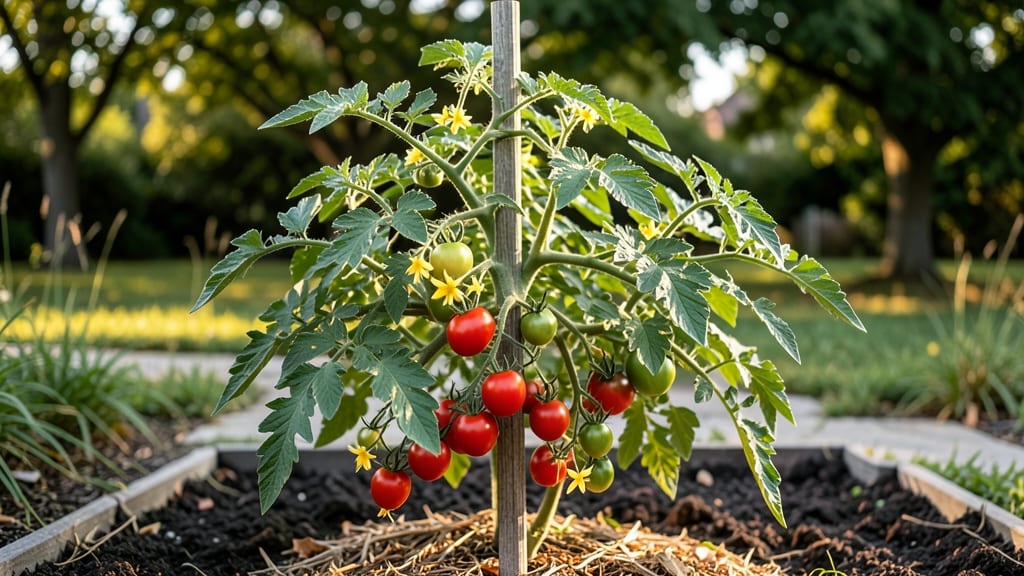
If you're planning your garden this spring and wondering how tall Rutgers tomatoes grow, you're not alone—this classic variety can surprise even experienced gardeners with its adaptable height.
Whether you're working with limited space or dreaming of a lush, sprawling vine, understanding their growth habits is key to maximizing your harvest.
Rutgers tomatoes are indeterminate, meaning they don’t stop growing until frost hits, often reaching heights of 4 to 6 feet or more with proper support.
But don’t let that intimidate you—with the right pruning and trellising, you can manage their growth while still enjoying a bountiful yield of juicy, flavorful fruit.
In this guide, I’ll break down everything you need to know, from spacing recommendations to pruning tips, so you can create the perfect environment for your 🍅 plants. Whether you’re a beginner or a seasoned gardener, these insights will help you plan your garden layout for success.
Ready to transform your garden into a tomato paradise? Let’s dive into the details so you can grow Rutgers tomatoes that thrive—no matter how much space you have to work with.

Rutgers tomato growth height: bush vs vining varieties explained
Rutgers tomatoes are a classic heirloom variety that comes in two distinct growth habits: determinate (bush) and indeterminate (vining). Understanding these differences is key to planning your garden layout and maximizing your harvest.
The bush type typically reaches 3-5 feet tall, while the vining type can soar up to 6-8 feet with proper support. This variation affects everything from spacing to trellising needs.
Determinate Rutgers tomatoes are the bushier, more compact option, ideal for gardeners with limited space. These plants grow to a predictable height of about 3-5 feet and produce fruit all at once, making them perfect for canning or sauces.
Indeterminate varieties, on the other hand, are the tall, sprawling climbers that keep growing throughout the season, offering a continuous harvest of beefsteak-sized tomatoes. Their height can exceed 6 feet if left unsupported.
Here’s how these growth habits break down in practice:
The determinate type is your go-to for small gardens or containers, while the indeterminate type thrives in vertical gardens or trellised rows. If you’re growing in containers, stick with the bush variety—its compact size makes it ideal for 5-gallon buckets or large pots.
For vertical gardening, the vining type will reward you with heavier yields as long as you provide sturdy support like a tomato cage or trellis.
One critical factor affecting height is pruning. Indeterminate varieties benefit from regular pruning to encourage upward growth and improve air circulation. Remove suckers (side shoots) that form in the leaf axils to direct energy toward fruit production.
For determinate types, minimal pruning is needed—they naturally form a compact bush shape without intervention. Over-pruning either type can stunt growth and reduce yields, so always leave enough foliage to photosynthesize.
Your climate zone also plays a role in height. In warmer zones (8–10), indeterminate Rutgers tomatoes may grow even taller due to longer growing seasons. In cooler zones (3–6), they might stay slightly shorter unless you use row covers or black plastic mulch to extend the season.
Always check your last frost date and plant after all danger of frost has passed to avoid stunted growth.
If you’re new to growing tomatoes, start with the determinate type—it’s more forgiving and easier to manage in tight spaces. But if you’re up for a challenge, the indeterminate variety will give you a summer-long harvest of juicy, beefsteak tomatoes.
Just be prepared to invest in support structures and regular pruning to keep those vines in check.
Pro tip: Mulch around your plants with straw or shredded leaves to retain moisture and suppress weeds. This helps reduce stress on the plant, allowing it to focus energy on growing taller and producing more fruit. A 3-inch mulch layer can make a noticeable difference in plant health and yield.
🌱
Rutgers tomato growth height: bush vs vining varieties explained
Rutgers tomatoes are a classic heirloom variety known for their versatile growth habits, but their height can vary dramatically depending on whether you're growing the determinate (bush) or indeterminate (vining) type. If you're planning your garden layout, understanding these differences is key to maximizing space and yield.
The determinate Rutgers tomatoes typically stay compact, reaching a mature height of 3 to 4 feet. These are the bush-type varieties that produce fruit all at once, making them ideal for container gardening or small spaces.
Their controlled height also means less need for staking or pruning, which is great for beginners.
On the other hand, the indeterminate Rutgers tomatoes can grow much taller, often reaching 6 to 8 feet or more if left unpruned. These vining varieties produce fruit continuously throughout the season, but their height requires proper support structures like cages or trellises to prevent sprawling and disease.
| Variety Type | Mature Height | Growth Habit | Spacing Needs | Support Required |
|---|---|---|---|---|
| Determinate (Bush) | 3–4 feet | Compact, single harvest | 18–24 inches apart | Minimal (stakes optional) |
| Indeterminate (Vining) | 6–8+ feet | Vining, continuous harvest | 24–36 inches apart | Essential (cages/trellis) |
Choosing between these types depends on your garden's space constraints and your harvesting goals. Determinate varieties are perfect for small gardens or container growing, while indeterminate types thrive in vertical gardens or large raised beds, offering a longer harvest season.
For optimal growth, ensure your Rutgers tomatoes receive full sun exposure (6–8 hours daily) and well-draining soil. Both types benefit from regular pruning, but indeterminate vines need more frequent attention to manage height and encourage fruit production.
If you're unsure which type to choose, consider your garden layout and whether you prefer a single large harvest (determinate) or a steady supply of tomatoes throughout the season (indeterminate). Either way, Rutgers tomatoes deliver delicious, flavorful fruit worth the planning! 🌱