
Trees
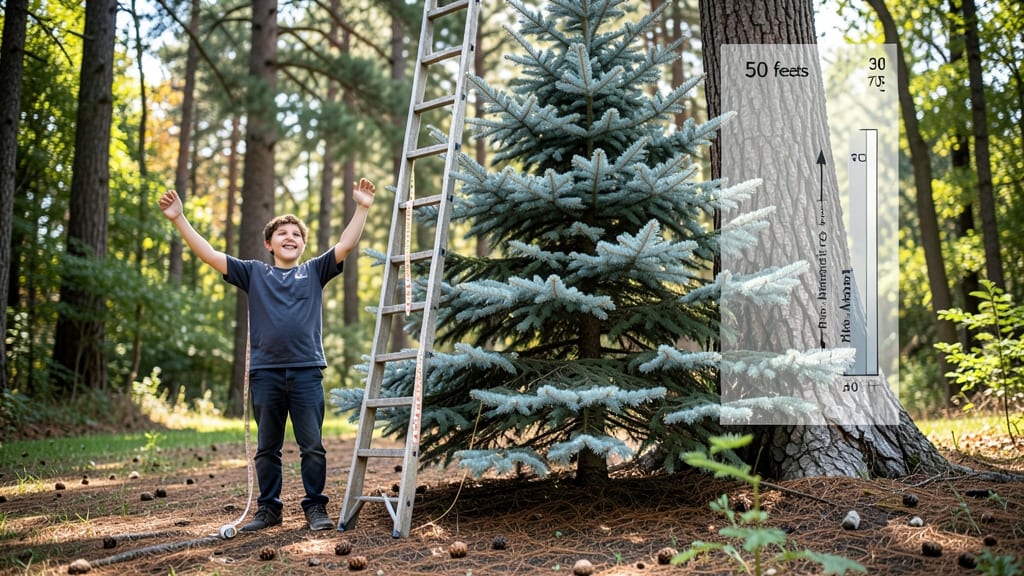
Ever stood in your yard and wondered just how tall that spruce tree 🌲 could grow if you planted it today? The answer might surprise you—some varieties reach towering heights that dwarf even the tallest buildings, while others stay compact enough for cozy backyard spaces.
If you're planning your landscape or just curious about these evergreen giants, knowing their mature heights is key. Whether you're dreaming of a shady retreat> or a low-maintenance border, the right spruce tree can transform your outdoor space—without taking over your property.
From the dwarf varieties> that stay under 15 feet> to the majestic giants that stretch over 100 feet, spruce trees offer options for every yard size. I'll break down the growth habits, spacing needs, and how long it takes for these trees to reach their full potential.
Ready to choose the perfect spruce for your space? Let's dive into the heights, growth rates, and everything you need to know before planting your next tree.

Mature heights of popular spruce tree species compared
Choosing the right spruce tree for your landscape starts with understanding their mature height ranges. Some varieties stay compact at just 10 feet tall, while others tower over 100 feet—making them unsuitable for suburban yards.
Let’s break down the most popular spruce species and their typical heights to help you plan your garden layout.
Spruce trees vary dramatically in size, from dwarf cultivars perfect for small spaces to giant evergreens that require acres of land. For example, the Colorado Blue Spruce often reaches 60-80 feet, while the Dwarf Alberta Spruce stays under 15 feet.
Knowing these differences ensures you pick a tree that fits your vision—and your property!
Why height matters: Spruce trees have spreading root systems that can extend 2-3 times their canopy width. Planting a 100-foot spruce too close to your home could lead to root damage or overcrowding. Always check mature height and spread before planting.
Here’s a quick comparison of 10 common spruce species, including their average mature heights, growth rates, and ideal uses in landscapes:
| Species | Mature Height (ft) | Growth Rate (ft/year) | Best For |
|---|---|---|---|
| Colorado Blue Spruce | 60–80 ft | 1–2 ft | Large yards, windbreaks |
| Norway Spruce | 40–60 ft | 1–1.5 ft | Privacy screens, parks |
| White Spruce | 30–50 ft | 0.5–1 ft | Small to medium yards |
| Dwarf Alberta Spruce | 8–15 ft | 0.2–0.5 ft | Containers, foundation plants |
| Black Hills Spruce | 20–30 ft | 0.5–1 ft | Small yards, urban landscapes |
| Serbian Spruce | 30–40 ft | 1–1.5 ft | Privacy hedges, mixed borders |
| Globe Spruce (Prostrate) | 1–3 ft (spreading) | 0.1–0.3 ft | Rock gardens, slopes |
| Eastern White Pine (often confused) | 50–75 ft | 1–2 ft | Wildlife habitats, large properties |
| Bicolor Spruce | 10–15 ft | 0.3–0.5 ft | Small spaces, containers |
| Douglas Fir (often grouped with spruces) | 100–200 ft | 2–3 ft | Forest settings, not yards |
The Colorado Blue Spruce is one of the most popular choices for large landscapes due to its iconic blue-green needles and rapid growth. However, its 60–80 foot height means it’s best suited for rural properties or parks.
If you’re in a suburban neighborhood, opt for dwarf varieties like the Dwarf Alberta Spruce or Bicolor Spruce, which stay under 15 feet and thrive in containers or garden beds.
For privacy screens, the Norway Spruce or Serbian Spruce are excellent options, offering 30–60 feet of height while maintaining a dense, evergreen canopy. These trees also provide year-round windbreaks, making them ideal for exposed yards or farm borders.
If you’re unsure which spruce fits your space, consider spacing guidelines: Plant small spruces (under 20 ft) at least 8–10 feet apart, while tall varieties (over 50 ft) need 30–
Factors that determine how tall spruce trees grow
When planning where to plant a spruce tree, its mature height depends on more than just the species. In fact, 5 key factors influence how tall your spruce will grow—some you can control, others are set by nature. Understanding these helps you set realistic expectations and optimize growth conditions.
First, climate and USDA hardiness zones play a huge role. Spruces native to colder zones (like the Colorado Blue Spruce) thrive in Zones 3-7 and grow taller, while southern varieties may stay shorter.
For example, a Norway Spruce in Zone 4 can reach 70 feet, but in Zone 8, it might max out at 40 feet.
Next, soil quality and drainage directly impact growth. Spruces prefer well-draining, slightly acidic soil (pH 4.5-6.0). Poor drainage or compacted soil stunts root development, limiting height. I’ve seen White Spruces in clay-heavy soil grow only 30% of their potential height compared to those in loamy soil.
🌲 Sunlight exposure is another game-changer. While most spruces love full sun (6+ hours daily), some varieties (like the Dwarf Alberta Spruce) tolerate partial shade. Too little light slows growth, while ideal conditions can accelerate height gains by 20-30% annually in younger trees.
Here’s where many gardeners make a mistake: pruning practices. Over-pruning young spruces can reduce their natural height potential by up to 50%. Only prune to shape or remove dead branches—never to control height unless you’re cultivating a bonsai-style dwarf variety.
Even then, use selective pruning to maintain their signature pyramid shape.
Lastly, genetic variations between cultivars matter. A standard Colorado Blue Spruce might grow 60-80 feet, while a ‘Glauca Globosa’ cultivar stays under 15 feet. Always check the cultivar’s growth habit before planting—this is the #1 way to avoid surprises in your landscape.
- 1. Climate Zone: Colder zones (3-7) support taller growth; warmer zones limit height.
- 2. Soil Quality: Well-draining, acidic soil (pH 4.5-6.0) maximizes root growth and height.
- 3. Sunlight: Full sun (6+ hours) accelerates growth; partial shade slows it.
- 4. Pruning: Avoid heavy pruning—it reduces natural height potential by up to 50%.
- 5. Genetics: Cultivar choice dictates height—e.g., ‘Glauca Globosa’ (15 ft) vs. standard Colorado Blue (80 ft).
Pro tip: If you’re planting near power lines or buildings, choose a dwarf or semi-dwarf cultivar—they’re bred to stay within 20-40 feet. For example, the ‘Conica’ Spruce grows just 6-10 feet tall, making it perfect for urban gardens. Always match the tree’s mature height to your space!
🌿 Remember, even the tallest spruces start small. A Norway Spruce might grow 2 feet in its first year, but with the right conditions, it can add 1-2 feet annually for decades. Patience and proper care pay off in a stunning, towering evergreen.