
Trees
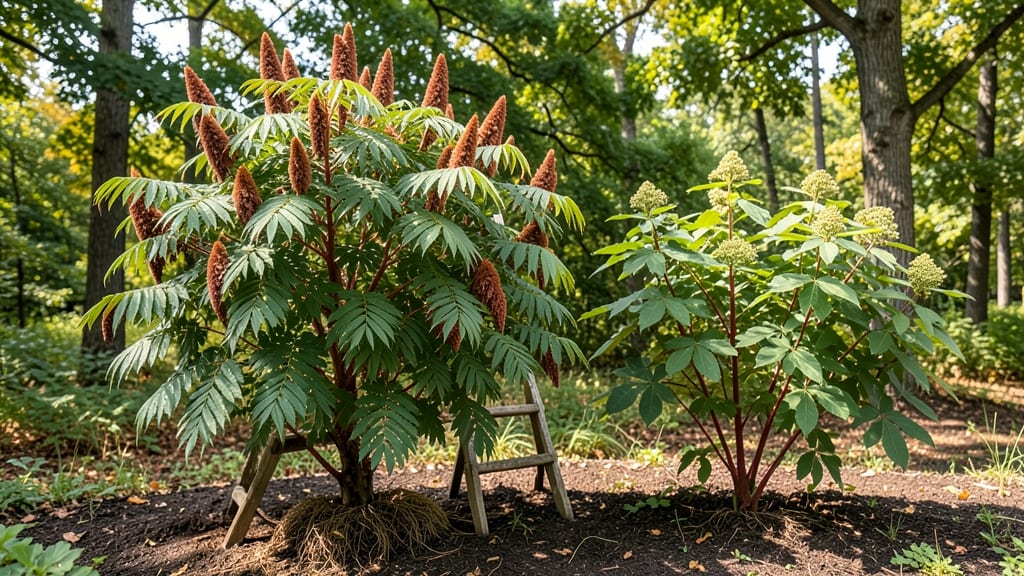
If you're wondering "how tall do sumac trees grow", the answer might surprise you—these striking 🌳 plants can range from a compact 6-foot shrub to a towering 25-foot tree, depending on the species and where you live.
Picture this: a Staghorn Sumac reaching toward your roofline while a Dwarf Sumac stays neatly contained in a garden bed. The difference comes down to genetics, climate, and how much space you give them.
Before planting, knowing these height variations could mean the difference between a dreamy landscape feature and an unruly giant.
In this quick guide, I’ll break down the mature heights of the most common sumac types, plus the factors that can push them taller—or keep them small. Whether you’re designing a pollinator-friendly hedge or just curious about your backyard’s future skyline, you’ll find out exactly what to expect.
Ready to plan your sumac’s future growth? Let’s dive into the numbers and tips that’ll help you choose—and control—the perfect size for your space.

Sumac tree height by species: mature size comparison
Sumac trees aren’t one-size-fits-all—some stay compact like shrubs, while others grow into towering giants. The species you choose determines whether your sumac becomes a privacy screen or a backyard giant.
Let’s break down the mature heights of the five most common types to help you pick the perfect fit for your space.
If you’re short on yard space, dwarf sumac might be your best bet, while staghorn sumac could become your next landscape centerpiece. Each variety has unique growth habits, so let’s dive into the details to help you plan accordingly.
Staghorn sumac is the tallest of the bunch, often reaching 25 feet or more, making it ideal for large properties or as a natural privacy screen. Its dramatic, velvety red branches add winter interest, but its size means it’s not for small yards.
On the other hand, fragrant sumac stays much shorter—typically 6-12 feet—and thrives in smaller spaces. It’s perfect for hedges or wildlife-friendly borders because its berries attract birds and other wildlife. If you’re working with limited space, this is a great choice.
For those who want a medium-height option, smooth sumac hits 12-20 feet and grows upright, making it a solid choice for backyard focal points or erosion control on slopes. It’s also drought-tolerant once established, which is a huge plus for low-maintenance gardens.
Poison sumac deserves a warning—it can grow 30 feet tall and is highly toxic. Avoid planting it near play areas or pet zones, as contact with its sap can cause severe skin reactions. If you’re unsure whether a sumac in your area is poisonous, consult a local nursery or extension office before planting.
Finally, if you’re dreaming of a sumac tree but lack space, dwarf sumac is your answer. It maxes out at 10 feet and works beautifully in containers or as a foundation plant.
Its compact size makes it ideal for urban gardens or patios where taller trees would overwhelm the space.
Now that you know the height ranges, consider your yard layout and garden goals. Do you need a tall privacy screen, a compact accent plant, or something in between? The right sumac species can transform your outdoor space with minimal effort.
Factors that affect sumac tree growth height
Did you know your sumac tree’s height isn’t set in stone? While genetics play a role, your local climate, soil quality, and even pruning habits can push a Staghorn Sumac from 15 feet to 25 feet—or keep a Dwarf Sumac under 10 feet.
Let’s break down the key factors that determine whether your sumac will stay small or reach for the sky.
First up: climate. Sumacs thrive in USDA Zones 4-9, but their growth habits shift with temperature. In warmer southern climates, sumacs grow faster and taller, often reaching their mature height within 5-7 years.
Meanwhile, in cooler northern regions, growth slows, and trees may stay shorter for longer—sometimes taking 10+ years to reach full height.
Next, consider soil conditions. Sumacs love well-draining soil but can struggle in clay-heavy or waterlogged areas. Poor drainage stunts root growth, limiting height potential. Amend your soil with compost or sand to encourage deeper roots and taller growth.
I’ve seen Smooth Sumac trees in sandy soils hit 20 feet within 6 years, while those in dense clay rarely exceed 12 feet.
- 🌡️ Climate: Warmer zones = faster growth; cooler zones = slower, shorter growth.
- 🌱 Soil Drainage: Well-draining soil = taller trees; clay/poor drainage = stunted growth.
- ☀️ Sunlight: Full sun (6+ hours) = maximum height; partial shade = slower, bushier growth.
- ✂️ Pruning: Regular pruning = controlled height; no pruning = natural, often taller growth.
- 💧 Watering: Deep, infrequent watering = stronger roots; overwatering = weak, shorter growth.
Don’t overlook sunlight exposure. Sumacs crave full sun (6+ hours daily), but they’ll grow shorter and bushier in partial shade. If you’re planting near a north-facing wall or under mature trees, expect your sumac to stay compact—think 10 feet max for most species.
For maximum height, place your sumac in the sunniest spot possible.
Finally, pruning practices can dramatically alter height. Prune in late winter to remove water sprouts or shape the tree, but avoid heavy pruning—it can stimulate faster, taller growth.
I once pruned a Fragrant Sumac aggressively every year, and it stayed a neat 8-foot shrub. My neighbor’s unpruned Fragrant Sumac? A 18-foot monster.
Want to keep your sumac small? Prune regularly and plant in partial shade. Dreaming of a towering specimen? Give it full sun, well-draining soil, and minimal pruning. The choice is yours—but now you know exactly how to steer your sumac’s growth! 🌿