
How To
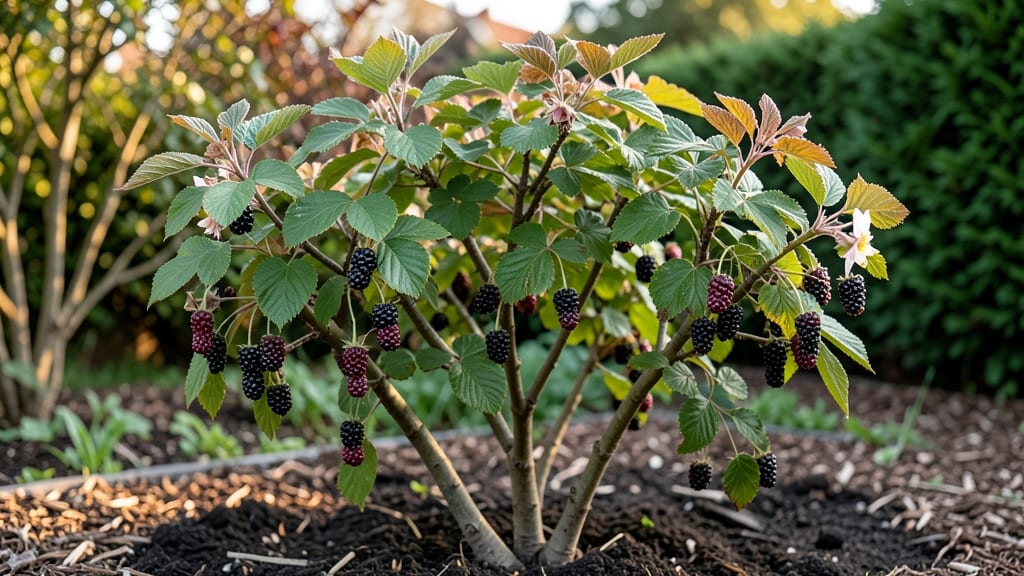
Wondering how tall do thornless blackberries grow before you plan that dream garden patch? The answer might surprise you—these vines can reach anywhere from 4 to 8 feet, depending on the variety and growing conditions.
If you're imagining a neat, contained berry patch, some thornless blackberries stay on the shorter side, while others stretch tall like basketball hoops. The key difference?
Whether they're semi-erect (upright) or trailing (sprawling) varieties. Let me break down exactly what to expect so you can plan your space—and your trellis—just right.
For most home gardeners in Zone 6a, standard thornless varieties typically hit 6 to 8 feet at maturity, while dwarf or compact types stay between 4 and 6 feet.
That means you don’t need a jungle gym, but you’ll still want room to breathe—literally—for those lush canes to flourish.
Here’s the game-changer: proper spacing and support can keep even the tallest varieties manageable. I’ll show you how to maximize your harvest without losing your sanity (or your yard) to rampant blackberry vines.

Thornless blackberry height ranges by cultivar type (exact measurements)
Thornless blackberries are a game-changer for gardeners who want juicy berries without the painful thorns. But their mature height can vary wildly depending on the cultivar. Most varieties reach 6 to 8 feet at maturity, but some trail along the ground while others stand tall and upright.
Knowing these height ranges helps you plan spacing, trellising, and even fence placement for your garden.
If you’re short on space, dwarf varieties like 'Arapaho' and 'Chester' stay between 4 to 6 feet, making them perfect for containers or small yards. On the other end, sprawling types like 'Natchez' can stretch up to 12 feet if left unchecked.
Understanding these differences ensures your blackberry patch thrives without crowding out other plants or becoming unmanageable.
Below is a breakdown of thornless blackberry heights by growth habit—semi-erect, trailing, and dwarf—so you can choose the best fit for your garden layout. Each type has unique spacing and support needs, which we’ll cover in detail.
🌱 Thornless Blackberry Height Summary
| Cultivar Type | Mature Height | Growth Habit | Ideal Spacing |
|---|---|---|---|
| Semi-Erect | 6–8 feet | Upright, bushy | 4–6 feet apart |
| Trailing | 3–12 feet | Sprawling, vine-like | 6–8 feet apart (with trellis) |
| Dwarf | 4–6 feet | Compact, bushy | 3–4 feet apart |
| Standard (e.g., 'Natchez') | 8–12 feet | Sprawling, vigorous | 8–10 feet apart |
💡 Pro Tip: Always trellis trailing varieties to control height and improve airflow, reducing disease risk.
For semi-erect varieties like 'Ouachita' or 'Prime-Ark Freedom', the 6 to 8 feet height makes them ideal for small gardens or urban spaces. These plants grow in a bushy, upright manner, so they don’t need extensive trellising.
Just space them 4 to 6 feet apart to allow airflow and easy harvesting. Their compact structure also means less pruning, which is a bonus for busy gardeners.
If you love the idea of trailing blackberries, varieties like 'Arapaho' or 'Chester' can stretch up to 12 feet if given the space. These are perfect for fences, arbors, or pergolas, where their vines can climb and create a stunning living trellis.
Without support, they’ll sprawl along the ground, which can lead to soil-borne diseases and lower yields. Always install a strong trellis system when planting these types.
Dwarf varieties, such as 'Triple Crown', are the best space-savers for containers or small balconies. They top out at 4 to 6 feet and thrive in 3-gallon pots or raised beds.
Their compact size also means they produce fruit earlier and more consistently, making them a favorite for first-time blackberry growers. Just ensure they get full sun and regular pruning to keep them tidy.
Regardless of the cultivar, height affects yield. Taller plants may produce more berries, but they also require sturdier support and wider spacing to avoid overcrowding. If you’re growing near a fence or wall, trailing varieties can maximize vertical space, while semi-erect types work well in hedge-like rows.
Always check the specific cultivar’s spacing recommendations on the seed packet or plant tag.
One common mistake is assuming all thornless blackberries grow the same. Trailing types need 6 to 8 feet of horizontal space, while dwarf varieties can thrive in half that area.
Plan your garden layout around these height and spread differences to avoid future headaches. For example, planting a 12-foot sprawler next to a 4-foot dwarf will create an uneven, unbalanced look.
For urban gardeners with limited space, consider container-growing dwarf varieties. A 5-gallon pot with proper drainage and a trellis system can support a healthy 'Chester' plant, producing pounds of berries in a tiny footprint. Just ensure the container is at least 18 inches deep to accommodate the roots.
If you’re new to blackberry growing, start with a mixed-height patch to see what works best for your space. For instance, plant a semi-erect variety in the center of your garden bed and trailing types along the edges or fence lines.
This creates visual interest while keeping maintenance manageable. Always mulch around the base to suppress weeds and retain moisture, which is critical for consistent growth.
Remember, height isn’t set in stone. Pruning in late winter or early spring can control excessive growth and shape your plants to fit your garden’s layout. Regular pruning also boosts fruit production
How growth habits affect height: semi-erect vs. trailing thornless blackberries
Thornless blackberries aren’t just about height—their growth habits determine how they sprawl, climb, or stay compact.
Understanding these differences helps you choose the right variety for your space and trellising setup. Semi-erect types grow upright like small shrubs, while trailing varieties sprawl like vines, often needing support to reach their full potential.
For semi-erect varieties, think of them as the compact champions of the blackberry world. These plants grow 4–6 feet tall with a bushy, upright structure, making them ideal for small gardens or containers.
Popular picks like 'Natchez' or 'Ouachita' stay within this range, requiring minimal trellising—just a few wires or stakes to guide their natural shape.
On the other hand, trailing thornless blackberries are the sprawling show-offs, reaching heights of 6–12 feet if given the chance. Varieties like 'Arapaho' or 'Chester' send out long, flexible canes that need strong trellises, arbors, or fences to support their weight.
Without support, they’ll flop dramatically, risking damage and reducing fruit production.
Here’s the key difference: semi-erect plants grow vertically with less sprawl, while trailing types grow horizontally with dramatic height potential. Your garden’s layout will dictate which habit suits you best—whether you’re working with a small balcony or a large backyard trellis.
🌿 Semi-Erect vs. Trailing Thornless Blackberries
If you’re short on space, semi-erect varieties are your best bet—they stay neat and manageable while still producing abundant fruit. But if you love the idea of a dramatic, climbing blackberry vine, trailing types will give you that wow factor, provided you invest in a sturdy trellis.
Either way, pruning plays a huge role in controlling height and encouraging fruit production.
For trailing varieties, prune aggressively in late winter to remove old canes and redirect energy into new growth. Semi-erect types benefit from light pruning to maintain their shape and improve airflow.
Both habits reward careful management with bigger, sweeter berries and easier harvesting—so choose wisely based on your garden’s layout and your patience for maintenance!