
Plants
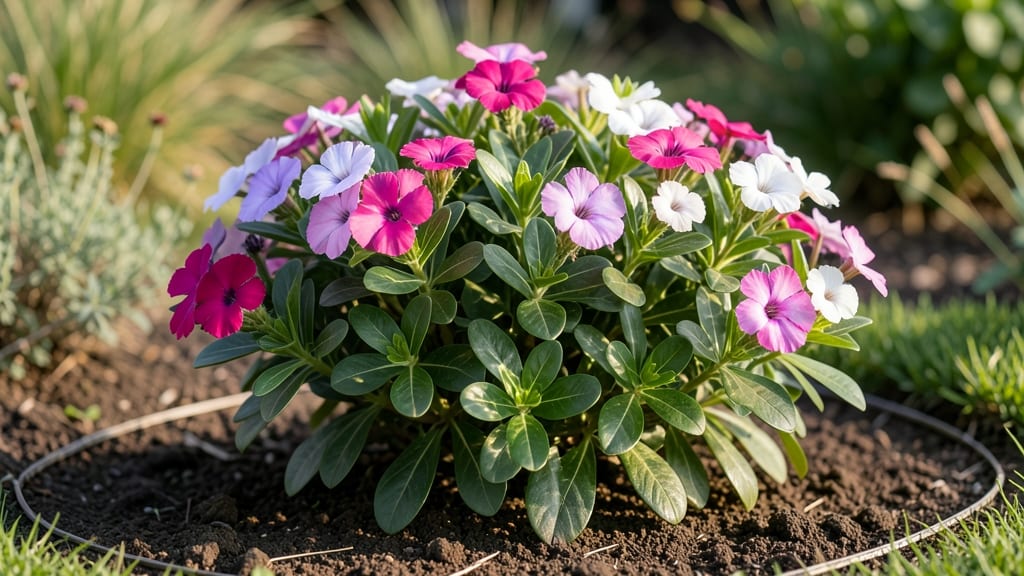
If you're wondering how tall do vinca plants grow, the answer depends entirely on the variety you choose—some stay compact at just 4 inches, while others stretch toward 18 inches with their signature trailing vines. 🌸 This classic spring favorite isn't just about height; it's about how it fills your garden with color while requiring almost no fuss.
The key to getting the right size lies in selecting the perfect variety for your space. Whether you want a neat border plant or a cascading ground cover, vinca adapts beautifully—just give it the right conditions.
I'll break down the exact height ranges for popular types so you can plan your garden layout with confidence.
But here's the thing: vinca's real magic isn't just in its height—it's in how it spreads. Many gardeners underestimate its creeping nature, which can quickly fill gaps between other plants.
I'll show you how to manage this growth naturally, whether you're working with dwarf varieties or letting standard types take over a sunny corner.
Ready to transform your garden with vinca? Let's dive into the exact measurements, spacing tips, and pruning secrets that will keep your vinca looking its best—no matter how tall (or short) you want it to grow.

Vinca plant height ranges by popular varieties (with exact measurements)
Understanding vinca plant height ranges helps you choose the right variety for your garden design. Vincas, also called periwinkles, are versatile plants that thrive in USDA zones 6-11 and offer year-round color in many climates.
Their mature height varies significantly between species, so let’s break down the specifics for popular types.
Most vincas reach their mature height within 1-2 growing seasons, though some dwarf varieties stay compact from the start. Vinca major and Vinca minor are the most common types, each with distinct growth habits that influence how you’ll use them in your landscape.
Let’s explore their exact dimensions and how sunlight affects their size.
🌱 Key Takeaway: Vinca height ranges from 4 inches (dwarf varieties) to 18 inches (standard types), with spread often exceeding height by 2-3 times. This creeping habit makes them ideal for ground cover or border plantings.
| Variety | Mature Height | Spread | Sunlight Needs | Best Uses |
|---|---|---|---|---|
| Vinca major (Bigleaf Periwinkle) | 12-18 inches | 2-3 feet | Full sun to partial shade | Ground cover, borders, woodland gardens |
| Vinca minor (Dwarf Periwinkle) | 4-8 inches | 1-2 feet | Partial to full shade | Rock gardens, containers, shady borders |
| Vinca ‘Illumination’ Series | 6-12 inches | 1-2 feet | Full sun to partial shade | Containers, hanging baskets, pollinator gardens |
| Vinca ‘Cinderella’ | 6-8 inches | 1-1.5 feet | Full sun | Rock gardens, slopes, drought-prone areas |
| Vinca ‘Lavender Mist’ | 8-12 inches | 1.5-2 feet | Full sun to partial shade | Ground cover, mass plantings, pollinator-friendly borders |
Notice how Vinca major grows taller but spreads wider than Vinca minor, which stays low and compact. This difference is critical when planning garden spacing.
For example, Vinca major needs 2-3 feet between plants to prevent overcrowding, while Vinca minor can be spaced just 1 foot apart for dense ground cover.
Sunlight also plays a role in vinca height. Plants in full sun tend to grow slightly taller and bushier, while those in partial shade may stay shorter but produce more flowers.
For instance, Vinca ‘Illumination’ varieties thrive in 6+ hours of sun and reach their full height more quickly than shade-grown plants.
If you’re using vincas in containers, choose dwarf varieties like ‘Cinderella’ or ‘Lavender Mist’. These stay under 12 inches tall and work beautifully in hanging baskets or window boxes.
For ground cover, Vinca major or ‘Lavender Mist’ are excellent choices, spreading 2-3 feet wide to fill gaps quickly.
One common mistake is assuming all vincas grow the same height. ‘Illumination’ series, for example, are bred to stay 6-12 inches tall, making them perfect for pollinator gardens where bees and butterflies can easily access flowers. Meanwhile, Vinca minor is ideal for shady areas where taller plants can’t thrive.
For landscape design, consider pairing taller vincas like Vinca major with shrubs or perennials that complement their 12-18 inch height. Shorter varieties like ‘Cinderella’ pair well with rock gardens or stepping stones.
Always check the mature spread to avoid overcrowding—vinca’s creeping habit can quickly fill a space if not managed.
Pro tip: If your vinca starts to outgrow its space, simply prune back in early spring. This encourages bushier growth and prevents legginess. For ground cover, you can also divide clumps every 2-3 years to keep them vigorous and contained.
How vinca plants spread: controlling growth for a neat landscape
Vinca plants are famous for their creeping, sprawling growth habit, which makes them perfect for ground cover but can also become invasive if left unchecked. Understanding how they spread helps you manage their growth and keep your garden looking tidy.
Most vinca varieties spread horizontally via stolons (above-ground runners) or rhizomes (underground stems), creating dense mats over time.
If you’ve noticed vinca plants filling gaps too quickly or creeping into unwanted areas, don’t worry—there are simple ways to control their spread. Pruning, dividing clumps, and strategic planting can keep them contained while still enjoying their vibrant blooms and low-maintenance nature.
The key is to act before they fill your entire garden bed!
Here’s how vinca plants typically spread and how to guide their growth for a polished landscape:
One of the biggest mistakes gardeners make is ignoring vinca’s spread until it’s too late. If you notice it creeping into flower beds or walkways, act fast! Divide the plant in early spring by digging up clumps, separating the roots, and replanting the sections in designated areas.
This not only controls growth but also gives you free vinca plants for other parts of your garden.
For a neat, manicured look, vinca thrives in defined borders or as a living edge along pathways. Just remember: prune regularly, space plants 12–18 inches apart, and divide clumps to keep it from taking over. With these tips, you’ll enjoy vinca’s beautiful blooms without the chaos!
🌿