
How To
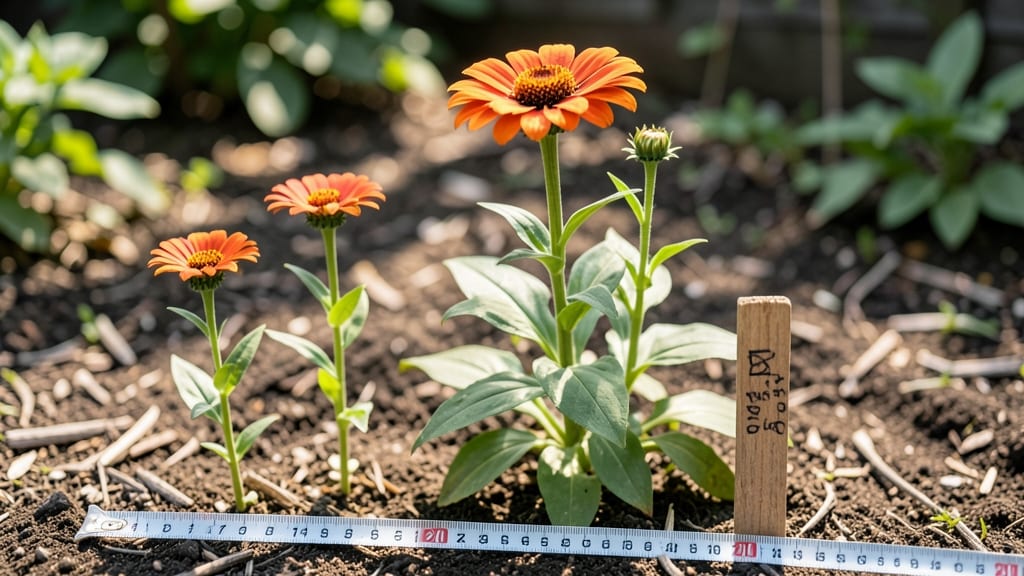
If you’ve ever wondered how tall do zinnias grow, you’re not alone—this is the first question gardeners ask when planning their flower beds. These vibrant blooms can surprise you, stretching from tiny 6-inch dwarfs to towering 4-foot giants, all while thriving in USDA Zone 6a’s spring warmth.
Whether you’re designing a border or filling containers, knowing the right height for each variety ensures your garden looks balanced and intentional.
The beauty of zinnias lies in their variety, and height isn’t just about aesthetics—it’s about strategy. Dwarf zinnias, like the cheerful Thumbelina series, work perfectly in window boxes or as edging plants, while taller varieties such as Benary’s Giant make stunning cut flowers or focal points in mixed beds.
But here’s the catch: height isn’t just about genetics—sunlight, soil, and even pruning habits play a huge role in how much your zinnias will reach for the sky.
Let’s cut through the guesswork. I’ll break down the exact height ranges you can expect from popular zinnia types, plus the simple tweaks that help them grow their best.
Whether you’re a beginner or a seasoned gardener, these insights will help you choose the perfect zinnias for your space—and watch them flourish all season long.
Ready to transform your garden? By the end of this guide, you’ll know exactly which zinnias to pick for your layout, how to encourage their full potential, and the one pruning trick that keeps them blooming taller and longer. Let’s get growing!

Zinnia height ranges by variety: from dwarf to giant flowers
Zinnias offer an incredible range of heights, making them perfect for almost any garden space. Whether you're creating a low border, a tall backdrop, or container arrangements, choosing the right variety ensures your design flows beautifully.
The height differences aren't just about aesthetics—they also affect how you space plants, support stems, and maintain blooms throughout the season.
From compact dwarfs that stay under a foot to towering giants reaching over six feet, each zinnia variety has its own growth characteristics. Understanding these differences helps you plan for sunlight exposure, wind resistance, and even cutting garden potential.
Let's explore the four main height categories and the most popular varieties within each.
🌼 Zinnia Height Guide by Variety
| Variety Type | Height Range | Popular Cultivars | Best Uses |
|---|---|---|---|
| Dwarf | 6-12 inches | Thumbelina Series, Crystal Series, Zahara 'Lilliput' | Borders, containers, fairy gardens |
| Semi-Dwarf | 12-18 inches | Benary's Giant (early), Hopi Dwarf, Profusion Series | Cut flowers, window boxes, pollinator gardens |
| Standard | 2-3 feet | Benary's Giant, State Fair, Pershone | Back-of-border, cut flower arrangements |
| Tall/Giant | 3-6 feet | State Fair Mix, 'Magellan', 'Envy' | Screening, tall arrangements, cutting gardens |
✅ Pro Tip: Always check seed packets for specific cultivar heights—some varieties can vary by 6-12 inches from the listed range.
If you're working with limited space, dwarf zinnias like the Thumbelina Series are perfect for container gardens or rock gardens. Their compact stature makes them ideal for edging pathways or filling gaps between larger plants.
These varieties typically mature between 6 and 12 weeks, giving you quick color for early-season displays.
The semi-dwarf varieties, such as the Profusion Series, strike a balance between height and manageability. They reach 12 to 18 inches at maturity, making them excellent choices for mixed containers or pollinator-friendly borders.
These zinnias also produce continuous blooms with minimal deadheading, which is a huge plus for busy gardeners.
For cut flower arrangements, standard zinnias like Benary's Giant are a gardener's best friend. Their 2 to 3-foot height provides the perfect stem length for bouquets and vase displays. These varieties often have larger blooms and thicker stems, making them more durable when cut.
I always plant at least three rows of these in my cutting garden to ensure a steady supply of fresh blooms.
When you need to make a dramatic statement in your garden, tall zinnias like 'Magellan' or 'Envy' are unbeatable. These varieties can reach 4 to 6 feet, creating a stunning vertical backdrop for perennials or shrubs.
They're also fantastic for privacy screens or hiding unsightly structures like fences or sheds. Just be prepared to stake or cage these varieties—their height makes them more susceptible to wind damage.
One common misconception is that taller zinnias always produce larger flowers. While some tall varieties do have bigger blooms, others focus on height and quantity rather than individual flower size.
For example, 'State Fair Mix' can grow up to 5 feet tall but produces smaller, pom-pom-style blooms that create a lush, cloud-like effect when in full bloom.
If you're growing zinnias for cut flowers, consider planting a mix of heights in your cutting garden. Start with dwarf varieties in the front for quick-harvest filler flowers, then add medium-height zinnias behind them, and place tall varieties at the back for structural stems.
This arrangement creates depth and balance
Zinnia height ranges by variety: from dwarf to giant flowers
Zinnias offer a stunning range of heights to suit any garden space, from delicate dwarf varieties perfect for window boxes to towering giants that make dramatic focal points.
Understanding these height differences helps you plan your garden layout with confidence and ensures each variety gets the space it needs to thrive.
When selecting zinnias, consider their mature height—dwarf zinnias typically stay between 6-12 inches, while giant varieties can reach 4 feet or more. This variety ensures you can find the perfect fit for your garden, whether you're creating a border garden, filling containers, or adding height to mixed plantings.
| Variety Type | Popular Cultivars | Mature Height | Best For |
|---|---|---|---|
| Dwarf | Thumbelina, Crystal, Zahara Mini | 6-12 inches | Containers, borders, edging |
| Semi-Dwarf | Benary's Giant, Persimmon | 1-2 feet | Cut flowers, mixed beds |
| Standard | State Fair, Profusion Series | 2-3 feet | Back of borders, cut arrangements |
| Giant | Benary's Giant, Giant Red | 3-4 feet | Focal points, tall arrangements |
The Thumbelina series is a favorite among gardeners for its compact stature and vibrant blooms, making it ideal for container gardening or small spaces. These varieties typically mature at just 6-12 inches, perfect for adding pops of color to patios or windowsills without overwhelming the space.
For those who love cut flowers, the Profusion Series and Benary's Giant varieties offer both height and durability. These zinnias can reach 3-4 feet, providing long stems for stunning bouquets that last for days in a vase.
When planning your garden, consider the height progression from front to back. Place dwarf varieties in the front where they can be easily viewed, while taller zinnias should be positioned toward the back or center to create a layered effect.
This technique not only enhances visual appeal but also ensures each plant gets the sunlight it needs.
Remember that proper spacing is crucial for allowing air circulation, which helps prevent diseases like powdery mildew. For example, dwarf zinnias should be spaced 6-8 inches apart, while giant varieties need 12-18 inches to avoid overcrowding and support healthy growth.