
How To
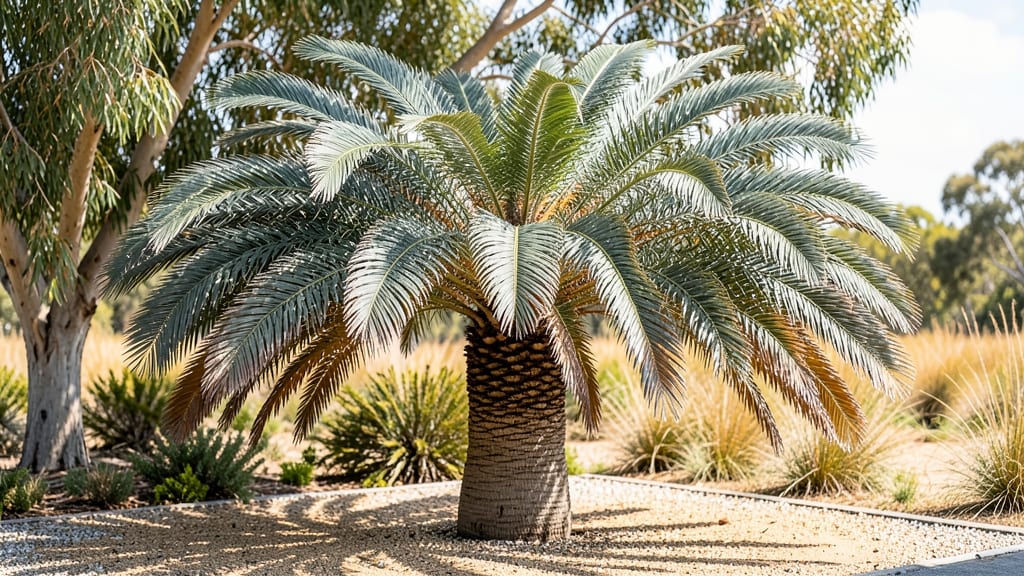
Curious about how tall does a foxtail palm grow before it becomes a towering centerpiece in your landscape? You’re not alone—many gardeners wonder whether this stunning tropical plant will stay compact or shoot up like a skyscraper.
The answer depends on the variety, growing conditions, and a little bit of care.
With its elegant, feathery fronds and 🌴 dramatic presence, the foxtail palm can reach heights of 15 to 25 feet when mature—though some dwarf varieties stay shorter, making them perfect for smaller spaces.
Whether you’re planting in USDA Zone 6 or further south, understanding its growth potential helps you plan your garden layout and avoid surprises.
In this guide, I’ll break down exactly what to expect from your foxtail palm’s height journey, from its first spring sprouts to its full, majestic stature. You’ll also discover how to control its growth, whether you want a taller statement plant or a more manageable size. Let’s get started!
Ready to transform your outdoor space with a foxtail palm? Knowing its mature height is the first step to creating a landscape that’s both beautiful and practical. Let’s dive into the details so you can make the best choice for your garden.

Foxtail palm height by variety: from compact to towering giants
Foxtail palms (Wodyetia bifurcata and related species) are stunning tropical accents that can transform any landscape—but their mature height varies dramatically depending on the variety. Some stay compact enough for patio pots, while others reach towering heights of 25 feet or more.
Understanding these differences helps you choose the perfect palm for your space and climate.
Before selecting a variety, consider your garden layout and local USDA hardiness zones. Most foxtail palms thrive in zones 9–11, where they can achieve their maximum heights. In cooler climates, growth slows significantly, often capping at half their potential size.
For example, a Wodyetia bifurcata in zone 10 might reach 20 feet, while the same plant in zone 8 could max out at 12 feet.
Here’s how popular foxtail palm varieties compare in terms of mature height, growth rate, and ideal spacing for landscaping:
The Wodyetia bifurcata, often called the "fox tail palm," is the most popular variety for its dramatic, feathery fronds and rapid growth. In optimal conditions, it can add 3 feet per year in its first decade, making it a standout focal point.
However, its spreading habit means you’ll need 10–15 feet of clearance around it to prevent overcrowding.
For smaller spaces, the Ptychosperma elegans (dwarf foxtail palm) is a game-changer. This variety stays under 10 feet tall and grows slowly, making it ideal for containers or urban gardens.
It’s also more cold-hardy, tolerating brief dips to 25°F—a lifesaver if you’re in zone 8 or 9. Pair it with drought-tolerant succulents to create a low-maintenance tropical vibe.
If you’re planning a large-scale landscape project, the Livistona chinensis delivers unmatched grandeur but requires ample space. Its broad, fan-shaped fronds can cast significant shade, so position it 20+ feet away from other plants to avoid competition.
In coastal climates, this palm thrives with salt spray tolerance, making it perfect for seaside gardens.
One common misconception is that all foxtail palms grow equally fast. In reality, their growth rates depend on soil fertility, sunlight, and water consistency.
For example, a Wodyetia bifurcata in poor soil might only grow 1 foot per year, while the same plant in rich, well-draining soil with full sun exposure can surge to 3+ feet annually. Always amend your soil with compost or palm-specific fertilizer to encourage healthier, faster growth.
When spacing multiple foxtail palms, remember that their canopy width often equals or exceeds their height. A 20-foot-tall palm might spread 15–20 feet wide, so plan accordingly.
In small yards, opt for single specimens or cluster dwarf varieties in large containers to create a tropical micro-garden on patios or balconies.
🌴
Foxtail palm height by variety: from compact to towering giants
When planning your garden layout, understanding the mature height of your foxtail palm is critical. The most popular variety, Wodyetia bifurcata, typically reaches 15–25 feet at maturity, making it a statement piece for large landscapes.
However, not all foxtail palms grow this tall—some dwarf varieties stay under 10 feet, perfect for patios or small yards.
Your choice of variety directly impacts both height and growth rate. For example, Ptychosperma macarthurii (also called the bifurcated foxtail palm) grows slower but can still reach 20+ feet in ideal conditions. Meanwhile, Livistona chinensis, another palm often confused with foxtails, tops out around 12–15 feet.
| Variety | Mature Height | Growth Rate | Ideal Spacing |
|---|---|---|---|
| Wodyetia bifurcata (Standard) | 15–25 ft | 1–2 ft/year | 10–15 ft from structures |
| Ptychosperma macarthurii (Dwarf) | 10–15 ft | 6–12 in/year | 6–8 ft from structures |
| Livistona chinensis (Fan Palm) | 12–15 ft | 8–12 in/year | 8–10 ft from structures |
If you're working with limited space, consider container-grown foxtail palms. These can be kept smaller through regular pruning and root restriction, but expect them to still reach 8–12 feet over time.
The key is choosing a variety that matches your space and growth goals—Wodyetia bifurcata thrives in open areas, while Ptychosperma macarthurii adapts better to tight spaces.
For large-scale landscaping, Wodyetia bifurcata is the star, but it requires full sun and well-draining soil to reach its full height. In shaded or nutrient-poor conditions, growth slows significantly, often resulting in a 10–15 ft palm instead of a towering giant.
Always check your local USDA hardiness zone—most foxtail palms thrive in zones 9–11.
When planting, remember that foxtail palms grow upward and outward. The canopy spread (often 6–10 feet) is just as important as height when planning spacing. For example, a 20-foot-tall palm needs at least 10 feet of clearance from walkways or buildings to avoid shading issues or structural damage.
Pro tip: If you're unsure about height, start with a potted foxtail palm and monitor its growth for a year. This gives you a real-world estimate of how it’ll perform in your specific microclimate.
Most nurseries provide 1-year height estimates—use these as a baseline before committing to a permanent planting spot.