
How To
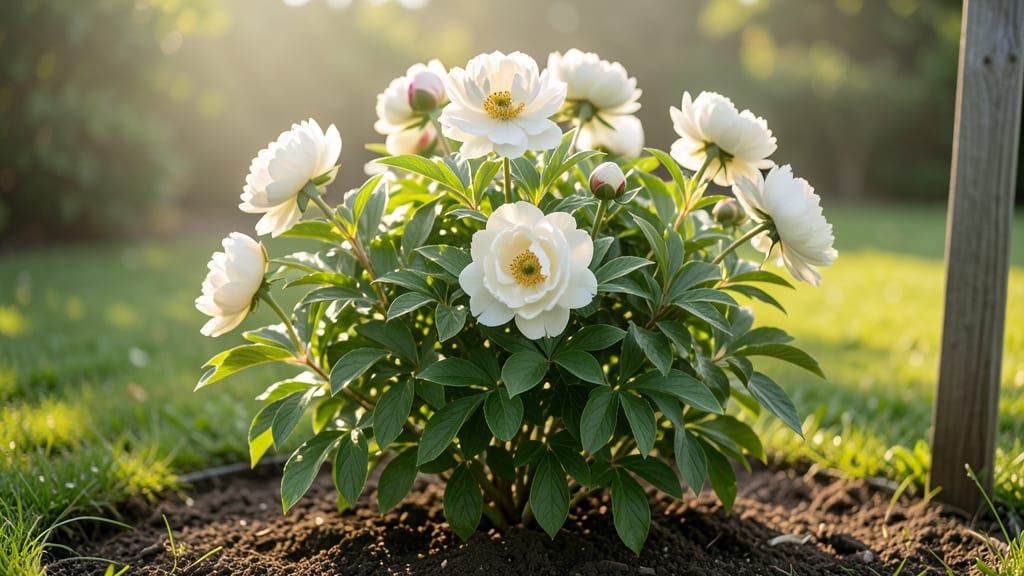
If you're wondering how tall does a peony grow, the answer might surprise you—because these stunning 🌸 bloomers come in sizes that can completely transform your garden's layout.
Whether you're planning a cozy cottage garden or a bold landscape statement, peony heights range from compact 1-foot dwarfs to towering 3-foot giants, depending on the variety and care you provide.
Herbaceous peonies, the most common type, typically reach 2 to 3 feet at maturity, while tree peonies can grow even taller, sometimes exceeding 4 feet.
The key to managing their height lies in understanding your specific variety and giving them the right growing conditions—like full sun and well-draining soil—to encourage healthy, controlled growth.
But here's the best part: with a few simple pruning techniques, you can easily shape your peonies to fit your space perfectly.
Whether you want them to stay low and bushy or grow tall and dramatic, I'll show you exactly how to guide their growth—so you can enjoy those lush blooms without the worry of overcrowding.
Ready to learn how to maximize your peony's potential? Let's dive into the exact height ranges by variety and the pruning tips that will keep your garden looking its best—no matter how tall (or short) you want your peonies to be.

Peony height ranges by variety: from dwarf to giant bloomers
Peonies are stunning garden plants, but their height can vary dramatically depending on the variety. Understanding these differences helps you plan your garden layout and avoid overcrowding. Most peonies fall into three main categories: herbaceous, tree, and intersectional, each with distinct growth habits.
Herbaceous peonies, the most common type, typically reach 2 to 3 feet tall at maturity. These are the classic garden peonies that die back to the ground each winter but return with vibrant blooms in spring.
Tree peonies, on the other hand, grow as woody shrubs and can reach heights of 3 to 6 feet, making them perfect for focal points in larger gardens.
Intersectional peonies, a hybrid of herbaceous and tree types, offer a middle ground with heights ranging from 2 to 4 feet. These varieties often combine the best traits of both parent types, including robust growth and stunning flowers.
Now, let's break down the exact height ranges for popular peony varieties to help you choose the perfect fit for your garden space.
| Variety Type | Height Range | Ideal Spacing | Notes |
|---|---|---|---|
| Herbaceous Dwarf | 1–2 ft | 12–18 inches apart | Perfect for borders and containers; example: 'Little Red' 🌸 |
| Herbaceous Standard | 2–3 ft | 24–36 inches apart | Classic garden peonies; example: 'Sarah Bernhardt' 🌷 |
| Tree Peony | 3–6 ft | 4–6 ft apart | Woody shrubs; example: 'Kodama' with fragrant blooms 🌿 |
| Intersectional | 2–4 ft | 24–36 inches apart | Hybrid vigor; example: 'Bowl of Beauty' 🌼 |
When planning your garden, consider the mature height of each variety to ensure they have enough space to thrive. For example, herbaceous dwarf peonies like 'Little Red' are ideal for small gardens or container planting, while tree peonies like 'Kodama' can become stunning focal points in larger landscapes.
Spacing is crucial—herbaceous peonies need 24–36 inches between plants to prevent overcrowding, while tree peonies may require 4–6 feet of space. Proper spacing ensures good airflow, reducing the risk of fungal diseases like botrytis blight, which can affect peony blooms.
If you're designing a mixed border, pair taller varieties like 'Sarah Bernhardt' with shorter companions like daylilies or lavender to create visual interest. For containers, stick to dwarf varieties like 'Bartzella' to keep the overall height manageable.
Remember, peonies grow best in full sun with well-draining soil. If you're in a cooler climate, they may stay slightly shorter, while warmer regions can encourage taller growth. Always check the specific variety's care requirements to optimize their height and bloom potential.
Now that you know the height ranges, you can confidently choose peonies that will fit perfectly in your garden—whether you want a delicate border or a dramatic focal point! 🌿
Peony height ranges by variety: from dwarf to giant bloomers
Peonies come in a stunning array of heights, from compact dwarf varieties that barely reach your knees to tall tree peonies that can dwarf even the tallest gardeners. Understanding these height ranges helps you plan your garden layout and avoid overcrowding.
Most peonies fall into three main categories: herbaceous, tree, and intersectional hybrids, each with distinct growth habits.
Herbaceous peonies, the most common type, typically grow between 2 to 3 feet tall at maturity, making them perfect for borders or mixed flower beds. Their foliage dies back in winter, but their roots remain dormant until spring.
Tree peonies, on the other hand, are semi-evergreen and can reach heights of 3 to 5 feet, with some cultivars even surpassing 6 feet. These are ideal for making bold statements in your garden.
Intersectional hybrids, a cross between herbaceous and tree peonies, offer a middle ground with heights ranging from 2.5 to 4 feet. Popular cultivars like 'Sarah Bernhardt' (3-4 feet) and 'Bowl of Beauty' (2.5-3 feet) showcase the diversity within this group.
Dwarf varieties, such as 'Little Red' or 'Miniature Pink', stay between 1 to 2 feet tall, perfect for containers or small gardens.
| Peony Type | Height Range | Spacing Needs | Ideal Use |
|---|---|---|---|
| Herbaceous Peonies | 2–3 ft | 2–3 ft apart | Borders, mixed beds |
| Tree Peonies | 3–6 ft | 4–6 ft apart | Specimen plants, focal points |
| Intersectional Hybrids | 2.5–4 ft | 3 ft apart | Cutting gardens, borders |
| Dwarf Varieties | 1–2 ft | 1.5–2 ft apart | Containers, rock gardens |
When planning your garden, consider the mature height of each peony variety to ensure proper spacing. Herbaceous peonies, for example, need 2 to 3 feet of space to thrive, while tree peonies may require 4 to 6 feet to avoid competition.
Always plant peonies with their eyes (buds) 1-2 inches below soil level to encourage strong root development and optimal flowering.
For a compact garden design, opt for dwarf varieties like 'Little Red' or 'Miniature Pink', which stay under 2 feet tall. If you're aiming for a dramatic backdrop, tree peonies like 'Kodama' or 'Shin-Shu' will add height and structure.
Always check the specific cultivar’s height range before purchasing to ensure it fits your garden vision.
Proper spacing isn’t just about aesthetics—it also prevents disease by improving air circulation. Crowded peonies are more susceptible to fungal issues like botrytis blight, which thrives in damp, shaded conditions. By following these height guidelines and spacing recommendations, you’ll create a thriving peony garden that’s both beautiful and healthy.