
How To
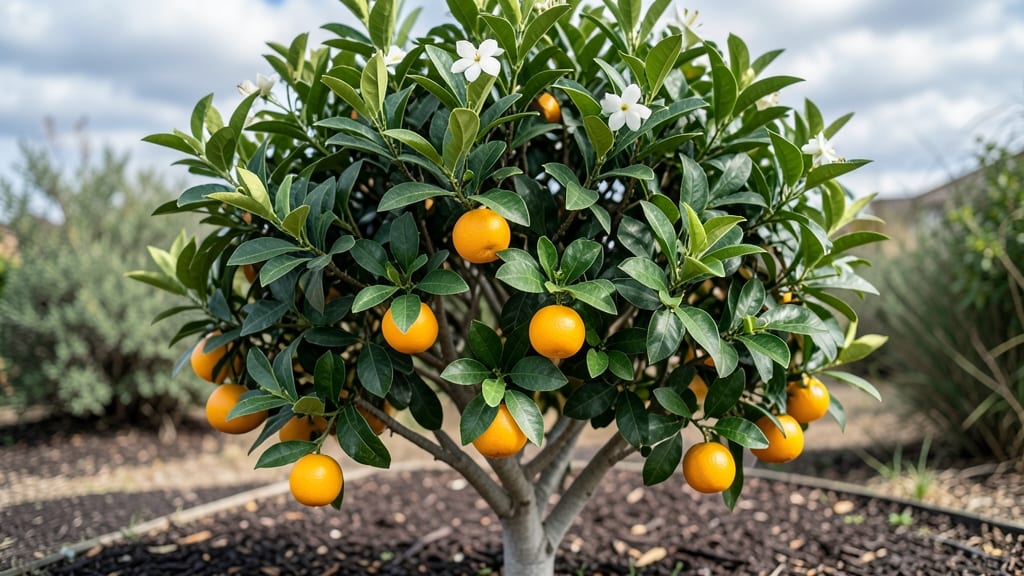
If you're dreaming of a backyard bursting with sweet, homegrown 🍊 tangerines, you might be surprised by how tall a tangerine tree can grow. The height of a tangerine tree isn't one-size-fits-all—some varieties stay compact enough for pots, while others can stretch taller than your two-story house.
Understanding your tangerine tree's potential size is the key to planning your garden or patio setup. Whether you're working with dwarf varieties that top out at just 6 feet or standard types reaching 25 feet, knowing the growth range helps you choose the perfect spot.
The right variety and care can make all the difference in managing that height.
I'll break down exactly how tall different tangerine trees grow, from the smallest container-friendly options to the giants that need serious space. You'll also discover practical tips for controlling growth through pruning and other techniques, so you can grow the perfect-sized tree for your needs.
Ready to transform your outdoor space with citrus? Let's explore how to pick the right tangerine tree for your available room—and keep it thriving for years of harvests.

Tangerine tree height by variety: dwarf to giant size comparison
If you're dreaming of homegrown tangerines, the first question should be: how tall will this tree grow? The answer depends entirely on the variety you choose. Tangerine trees range from 3-foot dwarf varieties that fit in pots to 25-foot giants that need a full backyard.
Let’s break down the most popular types and their mature heights so you can pick the perfect fit for your space.
Dwarf tangerine trees are ideal for containers, balconies, or small yards. These compact citrus trees stay between 3 and 6 feet tall at maturity, making them perfect for urban gardeners.
Varieties like 'Calamondin' or 'Meyer Lemon-Tangerine' hybrids thrive in pots and produce sweet, fragrant fruit without taking over your space.
Standard tangerine trees, like the classic 'Dancy' or 'Clementine', typically reach 12 to 15 feet tall. These are the workhorses of backyard citrus gardens—tall enough for serious fruit production but manageable with proper pruning. They’re great for medium-sized yards or as focal points in larger gardens.
For those with ample space, giant tangerine trees like 'Sunburst' or 'Murcott' can grow up to 25 feet or more. These trees produce abundant fruit but require regular pruning and a wide planting area.
If you love the idea of a shade tree with citrus rewards, these are the varieties for you.
| Variety | Mature Height | Growth Rate | Ideal Spacing | Best For |
|---|---|---|---|---|
| Calamondin | 3–6 ft | Slow to moderate | 1–2 ft from walls | Containers, patios |
| Meyer Lemon-Tangerine | 6–10 ft | Moderate | 3–4 ft from structures | Small yards, large pots |
| Dancy | 12–15 ft | Moderate to fast | 10–12 ft from buildings | Backyards, orchards |
| Sunburst | 15–20 ft | Fast | 15–20 ft from structures | Large gardens, rural areas |
| Murcott | 20–25+ ft | Very fast | 25+ ft from buildings | Orchards, open spaces |
Growth rates vary by variety and climate. In ideal conditions—full sun, well-draining soil, and warm temperatures—tangerine trees grow 1–3 feet per year in their early years. Dwarf varieties may take 3–5 years to reach maturity, while standard and giant trees can bear fruit in 5–7 years.
Before planting, check your local frost dates and USDA hardiness zone. Tangerine trees thrive in zones 9–11 but can be grown in cooler zones with container protection or greenhouse care. If you’re in a colder climate, opt for a dwarf variety that’s easier to move indoors during winter.
Spacing is critical for air circulation and fruit production. Standard trees need 10–15 feet between them, while dwarf trees can be planted 3–5 feet apart. Poor spacing leads to disease risk, reduced yield, and stunted growth—so plan ahead!
Now that you know the height ranges, the next step is choosing the right rootstock and pruning strategy to control your tree’s size. Stay tuned for our next section on managing tangerine tree height with expert tips!
How to control tangerine tree height: pruning, grafting, and growing conditions
Managing your tangerine tree's height starts with understanding its growth habits and pruning techniques. Without intervention, most standard varieties can reach 20-30 feet, but with the right care, you can keep them at a manageable 6-12 feet.
The key lies in seasonal pruning, rootstock selection, and environmental adjustments.
Pruning isn't just about cutting branches—it's about training the tree's structure while encouraging fruit production. I recommend starting pruning when your tree is 1-2 years old, focusing on removing suckers (shoots growing from the base) and thinning crowded branches.
This prevents overgrowth while improving air circulation and sunlight penetration.
🌱
Step-by-Step Pruning Guide for Height Control
- Late Winter (Feb-Mar): Remove dead/diseased wood and crossing branches to start the season clean. Use sterilized pruners to prevent infections.
- Early Spring (Apr): Prune water sprouts (fast-growing vertical shoots) and shape the canopy by cutting back 1/3 of new growth from last year.
- Summer (Jun-Jul): Lightly trim overly vigorous branches to redirect energy to fruit production. Avoid heavy pruning during flowering.
- Fall (Oct-Nov): Remove sucker growth at the base and thin interior branches to improve sunlight access to the center.
For dwarf varieties, consider grafting onto dwarfing rootstock like Citrus macrophylla or Poncirus trifoliata. These rootstocks can reduce mature height by 50-70%, making trees ideal for containers or small yards.
If you're starting from a seedling, choose a dwarfing rootstock at the nursery to save future pruning efforts.
Growing conditions play a huge role in height control. Tangerine trees grown in partial shade (4-6 hours of sun) will naturally stay shorter and bushier than those in full sun. However, this reduces fruit production, so balance is key.
In USDA Zones 9-11, trees grow faster with warmth year-round, while colder zones may see slower growth due to dormancy.
Soil nutrients also impact height—over-fertilizing with nitrogen promotes leafy growth over fruit, while a balanced 6-6-6 NPK fertilizer encourages compact, productive growth. I recommend side-dressing with compost in early spring to provide slow-release nutrients without excessive top growth.
Finally, container growing is the ultimate height-control method. By root-pruning (trimming roots when repotting) and using 5-gallon pots or larger, you can keep trees under 6 feet tall while still enjoying abundant fruit. Just