
How To
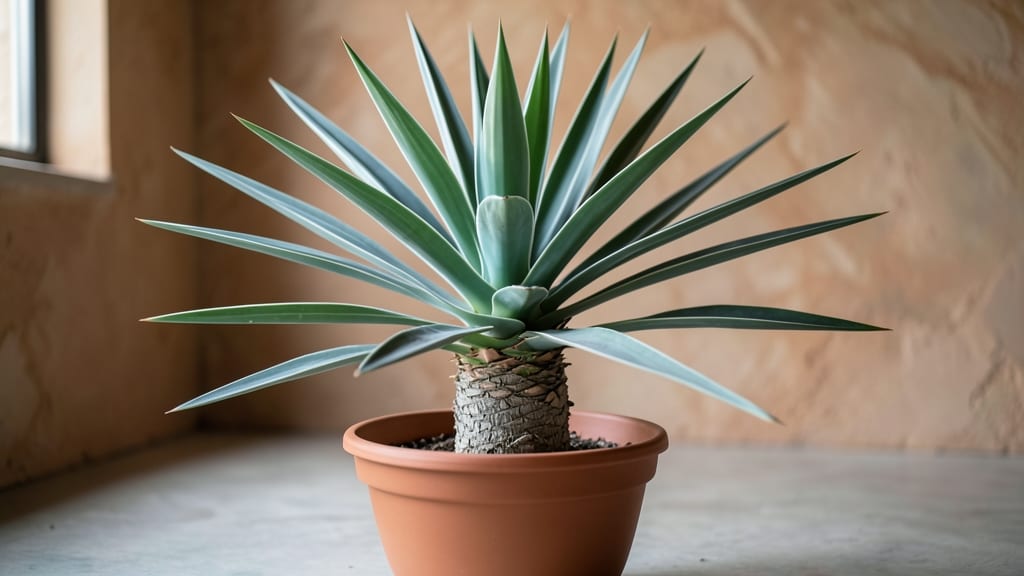
Watching a yucca cane grow tall from a small pot into a towering statement piece in your garden is like nature’s own skyscraper—if you know how to guide its growth. But here’s the catch: some varieties reach 15 feet or more, while others stay neatly contained at 3–5 feet.
Without the right care, your once-manageable plant could become an unwelcome giant (or worse, a flopped-over mess).
The key to controlling its height starts with understanding your specific variety—whether it’s the bold Yucca elephantipes or the elegant Yucca rostrata. Each grows at its own pace, influenced by sunlight, soil, and even your pruning habits.
I’ll break down the mature height ranges you can expect and how to keep your yucca cane at your desired size, so it stays a showstopper, not a space invader.
You might think pruning a yucca is as simple as snipping off dead leaves, but timing and technique make all the difference. A single misstep could stunt its growth or trigger wild, unchecked stretching.
The good news? With the right approach, you can shape your plant’s height—whether you want it to climb toward the sky or stay cozy at waist level.
Ready to turn your yucca cane into the perfect fit for your space? Let’s dive into the growth habits, pruning secrets, and environmental tweaks that’ll keep your plant thriving at exactly the height you want—no surprises included.

Yucca cane height by variety: mature size ranges and growth habits
Yucca plants, often called yucca canes, are stunning architectural plants that add drama to any landscape. But their mature height varies wildly by variety, from compact shrubs to towering giants.
If you're planning your garden layout, knowing these height ranges will help you choose the perfect yucca for your space.
For example, the Yucca elephantipes (also called spineless yucca) is one of the most popular varieties, often reaching 10–20 feet tall in ideal conditions. Meanwhile, Yucca filamentosa (Adam's needle) typically stays between 3–6 feet tall, making it ideal for smaller gardens or containers.
Here’s a quick comparison of common yucca varieties and their mature heights to help you visualize their potential size in your garden:
The Yucca elephantipes is the tallest common variety, often surpassing 10 feet and sometimes reaching 20 feet in perfect conditions. Its thick, woody stems and sword-like leaves make it a standout in large landscapes or as a dramatic focal point.
If you're working with limited space, Yucca filamentosa or Yucca gloriosa are excellent choices, staying under 6 feet tall.
Growth rates also vary—some yuccas grow slowly (1–2 feet per year), while others can add 3–5 feet annually in ideal conditions. Factors like sunlight exposure, soil drainage, and watering habits play a huge role in how quickly your yucca reaches its mature height.
For instance, a Yucca aloifolia in full sun and well-draining soil will grow faster than one planted in shade or clay-heavy soil.
If you're growing yucca in containers, expect slightly slower growth due to root restriction. However, even potted yuccas can still reach 6–10 feet tall over time, depending on the variety.
For example, a Yucca elephantipes in a large container (24+ inches wide) might max out at 8–10 feet, while the same plant in the ground could easily hit 15+ feet.
For gardeners in USDA Zones 7–11, yuccas thrive outdoors year-round. In colder zones (6a–6b), they’re often grown as container plants and brought indoors during winter. This can slow height growth slightly, but the plant will still reach its mature size given enough time and proper care.
One of my favorite tips for managing yucca height is to plant multiple smaller varieties instead of one giant specimen. For example, a mix of Yucca filamentosa (3–6 ft) and Yucca gloriosa (4–8 ft) creates
5 Factors that affect yucca cane growth height (and how to optimize them)
Yucca canes don’t grow uniformly—their height depends on 5 key factors you can control. Understanding these will help you encourage compact growth or allow them to reach their full potential. Let’s break down how each factor influences your yucca’s height and what you can do to optimize it.
First, sunlight exposure is the biggest driver of growth. Yuccas thrive in full sun (6+ hours daily), which fuels rapid vertical growth. In partial shade, they’ll grow slower and may stay shorter, but their leaves can become sparse.
If your yucca isn’t getting enough light, it might stretch unnaturally to reach sunlight, leading to weak stems.
Next, watering frequency plays a surprising role. While yuccas are drought-tolerant, overwatering triggers leggy growth as the plant stretches to escape soggy soil. Water deeply every 2-3 weeks in spring/fall and every 3-4 weeks in summer.
Too much water = taller but weaker canes. Too little = stunted growth, but that’s better than rot!
Third, soil drainage determines whether your yucca’s roots can support its height. Yuccas hate soggy soil—poor drainage causes root rot, which stunts growth or kills the plant entirely.
Amend heavy soil with gravel or sand to ensure water drains quickly. Well-draining soil = stronger roots = taller, healthier canes that support their own weight.
Fourth, temperature and climate affect growth speed. Yuccas grow fastest in USDA Zones 7-11, where warm temperatures year-round encourage steady upward growth. In cooler zones (Zone 6 or below), growth slows dramatically, and canes may stay shorter.
If you’re in a colder climate, plant in sheltered spots or use mulch to insulate roots.
Finally, container size matters if you’re growing yuccas in pots. Root-bound plants grow taller but weaker as they compete for space. Use containers at least 12 inches wide for dwarf varieties and 18+ inches for standard yuccas.
Repot every 2-3 years to refresh soil and encourage balanced growth. For ground-planted yuccas, ensure they have 3-4 feet of space to spread roots deeply.
By tweaking these 5 factors, you can guide your yucca cane’s height—whether you want a compact statement plant or a towering desert sentinel. Start with sunlight and soil, then adjust watering and container size to fine-tune the results.
With the right conditions, your yucca will grow exactly as tall as you intend—no surprises! 🌵