
How To
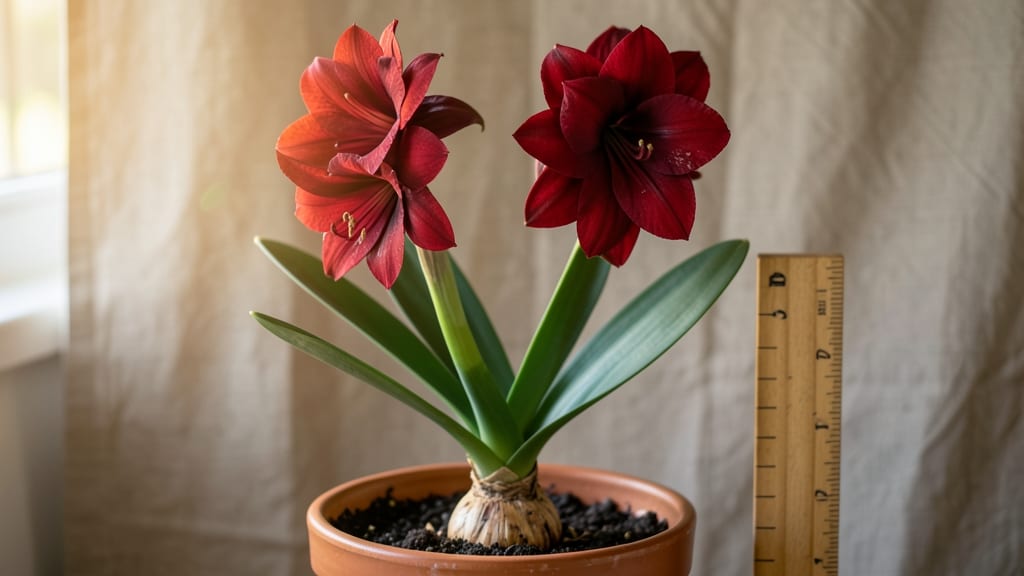
If you’ve ever wondered how tall does amaryllis grow, you’re not alone—this striking 🌸 bulb can surprise you with its height, depending on the variety and care you provide. Some types reach skyward like a tropical showstopper, while others stay compact and charming, making them perfect for small spaces.
The truth is, amaryllis heights vary wildly—from 12 inches in dwarf varieties to towering 2 feet in bold hybrids. Whether you’re growing them indoors or outdoors in USDA Zone 6a, understanding these differences helps you choose the right type for your space and maximize their potential.
But here’s the kicker: proper care can make all the difference. Light, soil, and even watering habits play a huge role in whether your amaryllis will stretch toward the ceiling or stay modest.
I’ll break down the secrets to encouraging taller, healthier blooms—so you can get the stunning height you’re dreaming of.
Ready to transform your garden or home with these eye-catching plants? Let’s dive into the varieties, care tips, and everything else you need to know to grow amaryllis that truly wows.

Amaryllis variety heights: from miniature to towering giants
Amaryllis plants, specifically the Hippeastrum genus, are famous for their dramatic flower spikes that can reach impressive heights. However, not all varieties grow the same—some stay compact while others tower like indoor skyscrapers.
Understanding these differences helps you choose the perfect variety for your space, whether it's a cozy windowsill or a grand garden bed.
Most amaryllis hybrids fall within the 1-2 foot range at maturity, but some dwarf varieties can stay as short as 8-12 inches. Meanwhile, taller varieties like 'Paper White' or 'Red Lion' can stretch up to 24 inches or more under ideal conditions.
The key difference often lies in genetics and growing conditions.
🌱
| Variety | Height Range | Growth Habit | Best For |
|---|---|---|---|
| Hippeastrum 'Red Lion' | 18-24 inches | Tall, sturdy stems | Indoor displays, holiday gifts |
| Hippeastrum 'Paper White' | 12-18 inches | Compact, multiple blooms | Small spaces, containers |
| Amaryllis belladonna | 8-12 inches | Dwarf, spreading habit | Rock gardens, borders |
| Hippeastrum 'Black Pearl' | 20-24 inches | Dramatic, deep blooms | Statement pieces, large pots |
| Hippeastrum 'Santa Cruz' | 16-20 inches | Medium height, vibrant colors | Mixed containers, garden beds |
The Amaryllis belladonna, often confused with its cousin Hippeastrum, is the true dwarf amaryllis and rarely exceeds 12 inches in height. Its spreading habit makes it ideal for ground covers or rock gardens, while its smaller blooms pack a punch in tight spaces.
If you're working with limited vertical space, this variety is your best bet.
For indoor growers, the Hippeastrum hybrids like 'Red Lion' or 'Black Pearl' are showstoppers. These varieties thrive in bright indirect light and can produce multiple flower spikes per bulb, creating a dramatic vertical display. Just ensure your ceiling is high enough—these can reach nearly 2 feet when happy!
Outdoor amaryllis, particularly in USDA Zones 7-10, often grow slightly taller due to more sunlight and space. However, they require protection from winter frosts and well-draining soil to prevent rot. If you're planting outdoors, choose varieties like 'Santa Cruz' that balance height and hardiness for long-term success.
One common misconception is that all amaryllis grow tall. In reality, dwarf varieties exist but are less common in commercial sales.
If you're hunting for a miniature amaryllis, look for Hippeastrum 'Minima' or Hippeastrum 'Tiny Tim', which stay under 10 inches and are perfect for terrariums or fairy gardens.
🌿
To maximize height, focus on three critical factors: light exposure, fertilization, and support. Amaryllis need 4-6 hours of bright light daily—too little light results in leggy, weak stems.
Use a grow light if natural light is insufficient, especially in winter months when days are short.
Finally, avoid overcrowding bulbs in pots. When planting, space bulbs 6-8 inches apart to give roots room to spread. This simple step can increase stem strength and support taller growth. With the right variety and care, your amaryllis will reach its full height potential and bloom spectacularly.
☀️
Factors that influence amaryllis height: light, soil, and care
Amaryllis height isn’t just about the variety—your care habits and environmental conditions play huge roles. While some varieties naturally grow taller, others stay compact unless given the right conditions. Let’s break down the key factors that can make your amaryllis reach its full potential—or stay disappointingly short.
One of the biggest influences is sunlight exposure. Amaryllis thrive in bright indirect light, but too little light weakens stems, while too much direct sun can scorch leaves.
Aim for 4-6 hours of morning sun or filtered light through sheer curtains. Without enough light, your plant may grow leggy and floppy, reducing height by up to 30%.
Soil quality is another game-changer. Amaryllis bulbs need well-draining, slightly sandy soil to prevent rot and encourage strong root growth. Heavy, clay-rich soil suffocates roots, stunting growth. Mix in perlite or orchid bark to improve aeration.
Poor soil can shrink mature height by 1-2 feet, leaving your plant struggling to reach its full potential.
Overwatering is the #1 enemy of tall amaryllis. Soggy soil causes bulb rot, which weakens the plant’s ability to support tall flower stalks. Always let the top 2-3 inches of soil dry out between waterings. Even well-draining soil can become a problem if you water on a strict schedule without checking moisture levels.
Fertilizer also impacts height—specifically, the right type and timing. Use a balanced 10-10-10 fertilizer during active growth (spring and summer) to fuel strong stem development. Skip fertilizing in fall and winter, as the plant enters dormancy.
Too much fertilizer can lead to leafy growth at the expense of flower stalks, while too little may result in weak, short stems.
Temperature and humidity matter too. Amaryllis prefer 65-75°F during the day and cooler nights to promote strong, upright growth. Drafts or sudden temperature swings can stress the plant, causing it to bend or split flower stalks.
If you’re growing indoors, avoid placing your amaryllis near heating vents or air conditioning units, which can stunt growth.
Finally, repotting every 2-3 years gives your amaryllis room to grow taller. Crowded roots compete for nutrients, limiting height potential. Choose a pot just 1-2 inches larger in diameter than the bulb to encourage upward rather than outward growth.
A snug pot helps direct energy into producing taller, sturdier flower stalks.