
How To
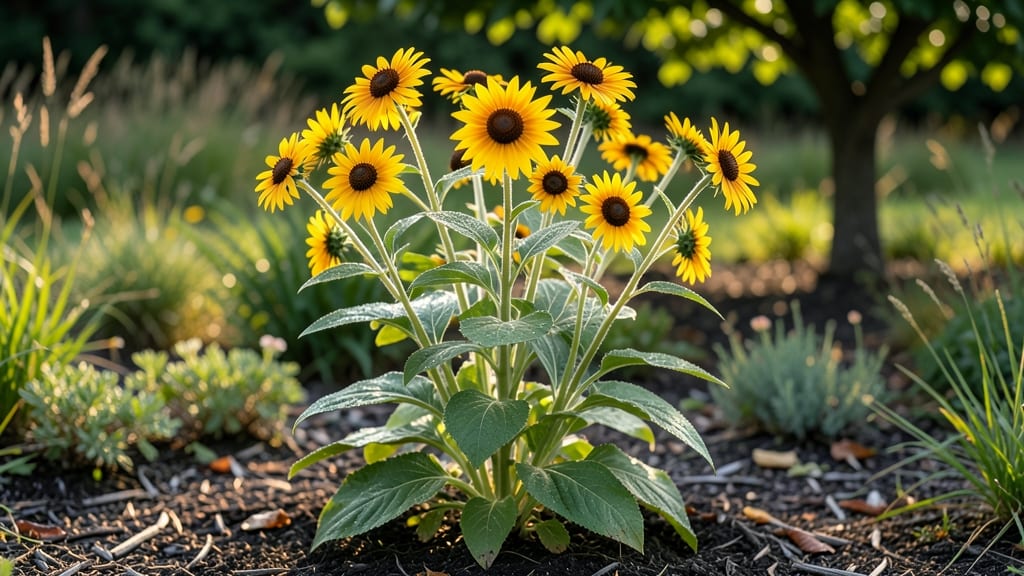
If you're planning your garden layout and wondering how tall Black-Eyed Susans grow, the answer might surprise you—these cheerful 🌼 blooms can range from compact 1-foot dwarfs to towering 3-foot giants, depending on their variety and growing conditions.
Most gardeners picture the classic 2-3 foot Black-Eyed Susan standing proudly in full sun, but did you know sunlight exposure actually plays a bigger role in their height than you might expect? Too much shade can stunt their growth, while optimal light helps them reach their full potential.
Whether you're working with limited space or dreaming of bold garden borders, understanding these height variations is key to creating the perfect display. I’ll break down exactly how different varieties grow and share simple tricks to control their size—no pruning required.
From dwarf varieties that stay neatly under 2 feet to standard types reaching countertop height, you’ll discover how to pick the perfect Black-Eyed Susan for your garden’s style and space. Let’s get started!

Black eyed Susan height by popular varieties: exact growth charts
Black-eyed Susans (Rudbeckia hirta) are a gardener’s favorite for their cheerful blooms and low-maintenance nature.
But here’s the secret: their mature height can vary dramatically based on the variety you choose. Standard varieties often reach 2 to 3 feet tall, while dwarf varieties stay compact at just 1 to 1.5 feet.
Knowing these differences helps you plan your garden layout—whether you want them as border plants or bold focal points.
For example, the classic 'Becky' variety is a crowd-pleaser, typically growing 2 to 3 feet tall with vibrant golden-yellow petals. Meanwhile, 'Indian Summer' stays shorter at 1.5 to 2 feet, making it perfect for container gardens or small spaces.
The key is selecting the right variety for your garden’s design goals and available space.
Below is a detailed growth chart comparing popular black-eyed Susan varieties, including their mature height ranges and ideal growing conditions. This will help you visualize how each variety will look in your garden once fully established.
| Variety | Mature Height | Spread | Sunlight Needs | Best For |
|---|---|---|---|---|
| 'Becky' | 2–3 ft | 1–2 ft | Full sun | Border plants, cut flowers |
| 'Golden Globe' | 1–1.5 ft | 1–1.5 ft | Full sun to partial shade | Containers, rock gardens |
| 'Mayfield' | 2.5–3 ft | 1.5–2 ft | Full sun | Back of borders, wildflower meadows |
| 'Indian Summer' | 1.5–2 ft | 1–1.5 ft | Full sun | Containers, small gardens |
| 'Cherry Brandy' | 2–2.5 ft | 1.5–2 ft | Full sun | Cut flowers, bouquets |
| 'Herbstsonne' | 3–3.5 ft | 2–2.5 ft | Full sun | Tall borders, wildflower gardens |
| 'Giraffe' | 1.5–2 ft | 1–1.5 ft | Full sun to partial shade | Containers, urban gardens |
| 'Autumn Sun' | 2.5–3 ft | 1.5–2 ft | Full sun | Back of borders, pollinator gardens |
🌱 Note: Heights are approximate and may vary based on growing conditions.
If you’re designing a pollinator-friendly garden, taller varieties like 'Mayfield' or 'Herbstsonne' will attract bees and butterflies while adding vertical interest. For small spaces or containers, 'Golden Globe' or 'Giraffe' are ideal choices.
Always check the specific variety’s description when purchasing seeds or seedlings to match your garden’s needs.
One common misconception is that all black-eyed Susans grow tall. In reality, dwarf varieties like 'Golden Globe' can stay under 1.5 feet, making them perfect for window boxes or balcony gardens. These compact varieties also require less staking, which is a bonus for busy gardeners.
For first-year growth, expect black-eyed Susans to reach about half their mature height. For example, a 'Becky' plant might only grow 1 to 1.5 feet in its first season but will fill out more in subsequent years.
This gradual growth makes them a great choice for gardeners who prefer a slow, steady expansion of color.
When planting, give each variety enough space to thrive. Taller varieties like 'Herbstsonne' need 2 to 3 feet of space between plants, while dwarf varieties can be spaced 1 to
How sunlight affects black eyed Susan height: full sun vs partial shade
Sunlight isn't just about whether your black-eyed Susans bloom—it directly impacts their height growth. In full sun (6+ hours/day), these plants typically reach their maximum mature height, often 2 to 3 feet tall.
But when placed in partial shade (3-5 hours/day), they may stay 1 to 2 feet shorter and produce fewer blooms. This difference matters whether you're designing a sunny border or a shady woodland garden.
The reason? Black-eyed Susans are sun-loving perennials that stretch toward light. In low-light conditions, their stems elongate in search of sunlight, creating a leggy, weak growth habit. This doesn't mean they'll fail—just that their height and structure will differ.
For example, a 'Becky' variety might hit 3 feet in full sun but only 2 feet in partial shade, with thinner stems.
Here's how sunlight affects height by region: In southern climates (Zones 8-10), black-eyed Susans thrive in full sun and often grow taller due to longer daylight hours. In northern climates (Zones 3-6), they still prefer full sun but may grow slightly shorter due to cooler temperatures.
The key is matching sunlight exposure to your local climate and garden conditions.
| Sunlight Condition | Typical Height | Stem Strength | Bloom Quantity | Best Varieties |
|---|---|---|---|---|
| Full Sun (6+ hrs/day) | 2–3 ft | Strong, upright | Abundant blooms | 'Becky,' 'Mayfield' |
| Partial Shade (3–5 hrs/day) | 1–2 ft | Weak, leggy | Fewer blooms | 'Golden Globe,' 'Giraffe' |
| Deep Shade (<3 hrs/day) | Under 1 ft | Very weak | Minimal blooms | None recommended |
| Southern Climate (Zones 8–10) | 2.5–3.5 ft | Very strong | Very abundant | All full-sun varieties |
| Northern Climate (Zones 3–6) | 1.5–2.5 ft | Moderate strength | Good blooms | 'Indian Summer,' 'Cherry Brandy' |
🌱 Tip: Use reflective surfaces (like white mulch) to boost light in shady spots.
If you're working with limited sunlight, choose dwarf varieties like 'Golden Globe', which tolerate partial shade better than taller types. These varieties naturally stay compact even with less light. For maximum height, plant in south-facing beds where they'll receive the most sunlight throughout the day.
Another trick is to rotate containers every few weeks if growing in partial shade. This ensures all sides of the plant get even light exposure, preventing uneven growth. Even a few extra hours of sunlight can make a noticeable difference in height and bloom production by the next season.
For urban gardeners with balconies or rooftops, position black-eyed Susans where they'll get at least 4-5 hours of morning sun. This often provides enough energy for healthy growth without the midday heat stress of full southern exposure. Just be prepared for slightly shorter plants compared to ground-level gardens.