
Lawn
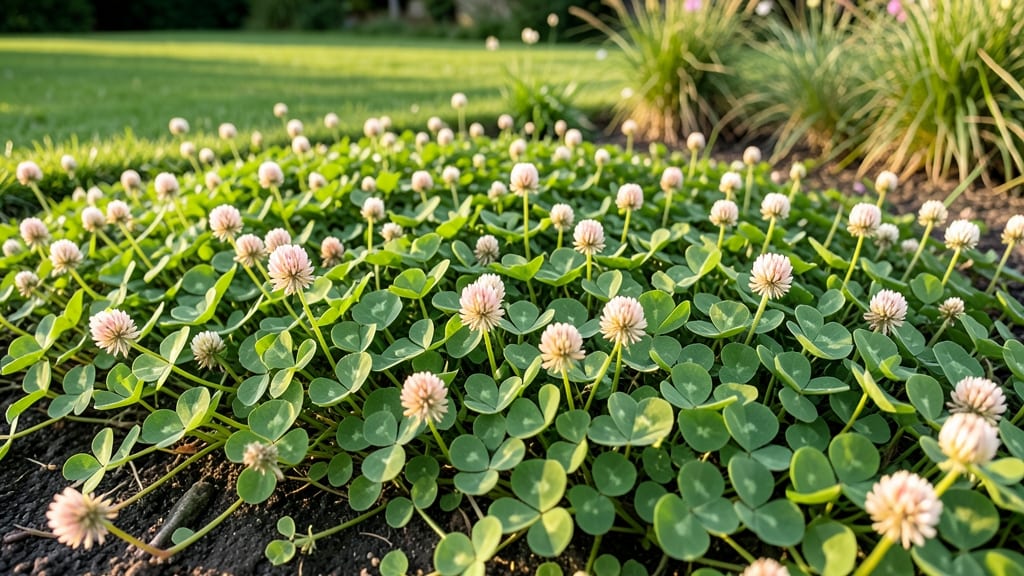
If you're dreaming of a lush, low-maintenance lawn that thrives on less water and mowing, understanding how tall clover lawns grow is your first step to success.
Unlike traditional grass, clover stays compact—typically between 1 to 3 inches—but hitting that sweet spot makes all the difference for health and appearance.
Most gardeners assume clover needs to be kept short, but the truth is more nuanced. A 2- to 3-inch height is ideal for dense growth, especially in USDA Zone 6a, where spring planting (March–April) sets the stage for year-round resilience.
Too short, and you risk stressing the plants; too tall, and weeds sneak in.
What sets clover apart is its adaptability—whether you're battling drought, shade, or erosion. Unlike grass, which can sprawl uncontrollably, clover stays tidy while supporting pollinators and cutting water bills. The key? Regular mowing at the right height to keep it lush without sacrificing its natural benefits.
Ready to transform your lawn? I’ll break down the exact heights for sun vs. shade, how to adjust for seasonal changes, and why clover’s dwarf stature is actually its superpower. Let’s get started!

Ideal clover lawn height ranges for different growth stages
Clover lawns thrive when maintained at the right height, but unlike traditional grass, they don’t need frequent mowing. The ideal height range for most clover varieties is between 2 to 4 inches, though this shifts based on the growth stage and your climate zone.
Understanding these ranges helps you balance aesthetics, health, and resilience—especially during drought or extreme heat.
During the establishment phase (first 4–6 weeks after planting), let clover grow taller—up to 3–4 inches—to encourage deep root development. This extra height shields tender roots from heat stress and soil compaction.
Once established, you can gradually adjust the height to your preference, but never drop below 1.5 inches unless you’re prepping for overseeding.
In peak growth season (spring to early fall), aim for 2.5–3.5 inches to maximize drought tolerance and weed suppression. Taller clover shades out weeds more effectively and retains moisture better than shorter grass.
For cooler climates (USDA Zones 3–5), you can extend this range to 3–4 inches during summer to protect roots from frost.
As temperatures drop and clover enters dormancy (late fall to winter), reduce mowing frequency but keep heights at 2–3 inches. This prevents thatch buildup and makes spring cleanup easier.
In southern climates (Zones 7–10), where clover stays active year-round, maintain 2–3 inches to avoid stressing the plant during mild winters.
Here’s a quick reference for adjusting clover height by season and climate:
| Stage | Ideal Height (inches) | Key Benefits |
|---|---|---|
| Establishment (0–6 weeks) | 3–4 | Deep root growth, frost protection |
| Peak Growth (Spring–Fall) | 2.5–3.5 | Drought resistance, weed control |
| Dormancy (Winter) | 2–3 | Prevents thatch, easier spring recovery |
| Southern Climates (Year-Round) | 2–3 | Balances growth and stress reduction |
Pro tip: Use a mulching mower to recycle clippings back into the lawn—this adds organic matter and reduces the need for fertilization. For white Dutch clover, which grows slightly taller (up to 4 inches), mow at the higher end of the range to preserve its pollinator-friendly flowers.
If you’re in a high-traffic area, consider mowing at 2–2.5 inches to minimize wear. However, avoid cutting more than one-third of the blade height at once—this prevents scalping and shock to the plant.
For example, if your clover is 3.5 inches, never mow it below 2.3 inches in a single session.
One common mistake is assuming clover needs the same height as grass. Unlike Kentucky bluegrass (which thrives at 1–2.5 inches), clover’s taller growth supports its nitrogen-fixing roots and soil health.
When in doubt, observe your clover’s color: dark green means it’s happy, while yellowing signals it’s either too short or stressed.
For organic lawn care, pair proper mowing with regular aeration (once a year) to prevent thatch. This keeps clover’s roots oxygenated and allows water to penetrate deeper, especially in compacted soils. Pair these practices with a light nitrogen boost in early spring to encourage lush, even growth.
Remember, clover’s height isn’t just about looks—it’s a survival strategy. Taller clover in shade, shorter in sun, and adjusted by season ensures your lawn stays resilient, beautiful, and low-maintenance. 🌱
What happens when you mow clover too short or too tall?
Mowing clover at the wrong height can turn your lush green carpet into a stressed, weed-prone mess. When you cut it too short (below 1.5 inches), you risk scalping, where the plant loses its ability to photosynthesize efficiently.
This stress weakens roots, making clover more susceptible to drought and disease, while also inviting weeds to take over the open spaces.
On the flip side, letting clover grow too tall (above 4 inches) creates ideal conditions for thatch buildup, a dense layer of dead stems that blocks water and nutrients from reaching the soil.
Over time, this leads to pest infestations (like chinch bugs) and fungal growth, especially in humid climates. The key is balance—like Goldilocks, your clover needs just the right height to thrive.
Here’s how clover reacts to extreme mowing heights, ranked by risk:
If you’ve ever mowed clover too short and noticed yellow patches or bare spots, you’ve likely caused root damage. Clover recovers slowly from scalping, often taking 4–6 weeks to bounce back—if it recovers at all.
To avoid this, always leave at least one-third of the blade height intact. For example, if your clover is 3 inches tall, never cut it below 2 inches in a single mowing.
Overly tall clover isn’t just unsightly—it can become a haven for pests like clover mites and slugs, which thrive in dense, moist environments. These critters feed on the plant’s sap, leading to spotted leaves and stunted growth.
Regular mowing at the 2.5–3.5 inch range disrupts their life cycle while keeping your lawn looking neat. For white Dutch clover, which flowers profusely, you might extend the height to 3.5–4 inches in early summer to support pollinators like bees and butterflies.
One overlooked consequence of improper mowing is soil compaction. Tall clover can smother itself, creating a thatch layer that prevents water absorption. To combat this, aerate your lawn annually in early fall, using a core aerator to pull out small soil plugs.
This improves airflow and helps clover recover from any height-related stress. Pair this with a light top dressing of compost to restore nutrients lost during mowing.
Pro tip: Adjust your mower blade height gradually—never change it more than 0.5 inches between mowings. Sudden height shifts shock the plant, just like shearing a hedge too aggressively.
For shaded areas, where clover grows taller naturally, set your mower to 3–4 inches to avoid scalping. In full sun, stick to 2–3 inches to prevent heat stress.
Remember, clover’s height is a delicate balance between resilience and maintenance. When in doubt, observe your lawn’s color and texture: vibrant green means you’re in the safe zone, while yellowing or wilting signals it’s time to adjust your mower.
With the right height, your clover lawn will stay lush, low-maintenance, and thriving for years. 🌿