
How To
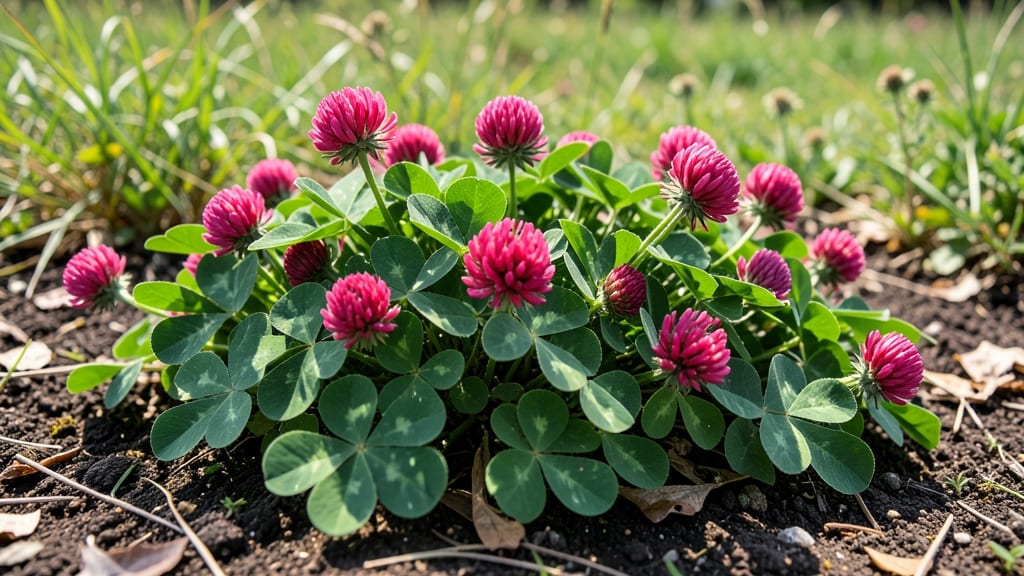
If you're wondering how tall does crimson clover grow, the answer might surprise you—this vibrant 🌸 plant can range from a modest 12 inches to towering over 3 feet, depending on your goals and growing conditions.
Crimson clover isn't just about height; it's a versatile powerhouse for gardens and farms alike. Whether you're planting it as a cover crop to enrich your soil or inviting pollinators with its striking blooms, understanding its growth habits is key to maximizing its benefits.
From seedling to full maturity, this hardy annual transforms bare soil into lush ground cover while supporting local ecosystems. The right spacing and care can help you control its size, whether you want a dense carpet or a more open, flowering display.
Let’s break down exactly what to expect from crimson clover’s growth—so you can plan your planting strategy with confidence and get the most out of this dynamic plant.

Crimson clover height guide: mature growth stages and varietal differences
Crimson clover (Trifolium incarnatum) is a fast-growing annual that transforms bare soil into a vibrant, nitrogen-rich ground cover—but its height varies dramatically based on your goals.
Whether you're planting it for pollinator support, erosion control, or forage production, understanding its growth stages and height potential will help you plan your garden layout.
Most varieties reach 12 to 36 inches tall under ideal conditions, but some can stretch to 4 feet if given ample space and nutrients.
As a warm-season cover crop, crimson clover thrives in USDA Zones 6-10 and germinates quickly when soil temperatures hit 60°F or higher. In its first 4-6 weeks, seedlings grow slowly, staying under 6 inches tall as they establish roots.
By 8-10 weeks, rapid growth kicks in, and you’ll see 3-5 inches of new growth per week if conditions are perfect. The key to controlling height lies in spacing, pruning, and timing—all of which we’ll explore below.
Not all crimson clover varieties are created equal. The 'Dixie' cultivar, for example, tends to stay shorter and bushier (12-24 inches), making it ideal for ground cover and pollinator gardens. In contrast, 'Tennessee' varieties can reach 36 inches or taller, perfect for forage production or taller hedgerows.
Even within the same variety, sunlight exposure and soil fertility play huge roles in determining final height.
| Growth Stage | Height Range | Time to Reach Stage | Key Features |
|---|---|---|---|
| Seedling | 0.5–2 inches | 2–4 weeks | Delicate trifoliate leaves; slow root establishment |
| Vegetative Growth | 6–18 inches | 4–8 weeks | Rapid stem elongation; deep green foliage |
| Flowering | 12–36 inches | 8–12 weeks | Pink-purple blooms; attracts bees and butterflies |
| Mature (Seed Set) | 18–48 inches | 10–14 weeks | Dries back; seeds for next season’s planting |
Full sun (6+ hours daily) is non-negotiable for crimson clover—it’s the #1 factor that determines how tall your plants will grow. In partial shade, expect 20-30% shorter growth, with stems becoming leggy and weak. If you’re growing crimson clover for pollinators, aim for moderate sunlight (5-6 hours) to encourage dense foliage and abundant flowers. For forage or biomass production, full sun will maximize height and yield.
Soil type also influences height. Crimson clover hates soggy conditions—it thrives in well-draining, slightly acidic soil (pH 6.0-7.0). In clay-heavy soils, roots struggle, stunting growth to under 12 inches. Amend your soil with compost or sand before planting to ensure optimal drainage.
A light application of balanced fertilizer (5-10-10) at planting can boost early growth, but avoid over-fertilizing, which leads to taller, weaker stems prone to lodging (falling over).
Pruning is your secret weapon for controlling height. If you want compact, bushy growth (ideal for ground cover), mow or trim the plants when they reach 12-18 inches tall. This encourages lateral branching and keeps the height in check.
For forage or seed production, let the plants grow tall—36+ inches—but stake taller varieties to prevent flopping in wind or rain. Timing matters: Prune in early spring to promote new growth or late summer to extend the flowering season.
One common mistake gardeners make is planting crimson clover too densely. When seeds are sown too close together (less than 6 inches apart), competition for nutrients and light leads to stunted, uneven growth.
For ground cover, space seeds 8-12 inches apart to allow airflow and even height. For forage, increase spacing to 12-18 inches to give plants room to reach their full potential. Always thin seedlings to avoid overcrowding—this simple step can add 6+ inches to your mature plants.
Crimson clover’s height isn’t just about aesthetics—it directly impacts its ecological and agricultural benefits. Taller varieties (36+ inches) provide better windbreaks and more biomass for soil improvement, while shorter types (12-24 inches) create ideal pollinator habitats and weed-suppressing ground cover.
Choose your variety and spacing based on your primary goal: height control for pollinators, maximized growth for forage, or neat containment for ornamental gardens.
Pro tip: If you’re using crimson clover as a winter cover crop, plant it late summer to establish roots before the first frost. The plants will die back in cold weather but leave behind nitrogen-rich residue that boosts soil fertility.
In spring, you’ll see new growth within 2-3 weeks, reaching 12-24 inches by early summer—perfect for early-season pollinators like bees.
Ready to get started? Grab your seed packets, mark your planting zones, and remember: height is a choice. With the right variety, spacing, and care, you can grow crimson clover to fit your garden’s needs—whether that’s a neat 12-inch border or a towering 4-foot forage patch. 🌸
Crimson clover height guide: mature growth stages and varietal differences
Crimson clover (Trifolium incarnatum) typically reaches a mature height of 12–36 inches, but its growth can vary dramatically based on cultivar selection and growing conditions.
Under ideal circumstances—like full sun exposure and rich, well-drained soil—some varieties may even stretch to 4+ feet tall, especially when used for forage production.
As an annual plant, crimson clover grows quickly from seed, reaching 6–12 inches in just 4–6 weeks. By late summer or early fall, it typically matures to its full height, producing clusters of bright pink flowers that attract pollinators.
Its growth habit makes it perfect for temporary ground cover or soil improvement.
| Growth Stage | Height Range | Timeframe | Key Features |
|---|---|---|---|
| Seedling | 1–3 inches | 2–3 weeks | Delicate trifoliate leaves |
| Vegetative | 6–12 inches | 4–6 weeks | Rapid stem elongation |
| Flowering | 12–36 inches | 8–12 weeks | Pink flower clusters |
| Mature (Forage) | Up to 4+ feet | 3–4 months | Dense foliage for livestock |
Popular cultivars like 'Dixie' and 'Tennessee' tend to stay on the shorter side (12–24 inches), making them ideal for landscape ground cover or pollinator gardens.
In contrast, 'Magnum' and 'Archer' varieties can grow taller (30–48 inches), often used for forage production or erosion control on slopes.
Environmental factors play a huge role in height. Full sun (6+ hours daily) encourages taller growth, while partial shade may limit height to 12–18 inches. Well-drained, slightly acidic soil (pH 6.0–7.0) also promotes vigorous growth, whereas poor soil can stunt plants to 6–12 inches or less.
If you’re using crimson clover for ground cover, aim to mow or trim it back to 6–12 inches to maintain a neat appearance and encourage bushier growth.
For forage or pollinator support, allow it to reach its full height—just be prepared for a taller, more dramatic look in your garden.
Remember, crimson clover is an annual, so its height is a one-season investment. After flowering, it self-seeds, potentially returning for 2–3 years if conditions remain favorable. This makes it a low-maintenance choice for temporary but impactful landscape solutions.