
How To
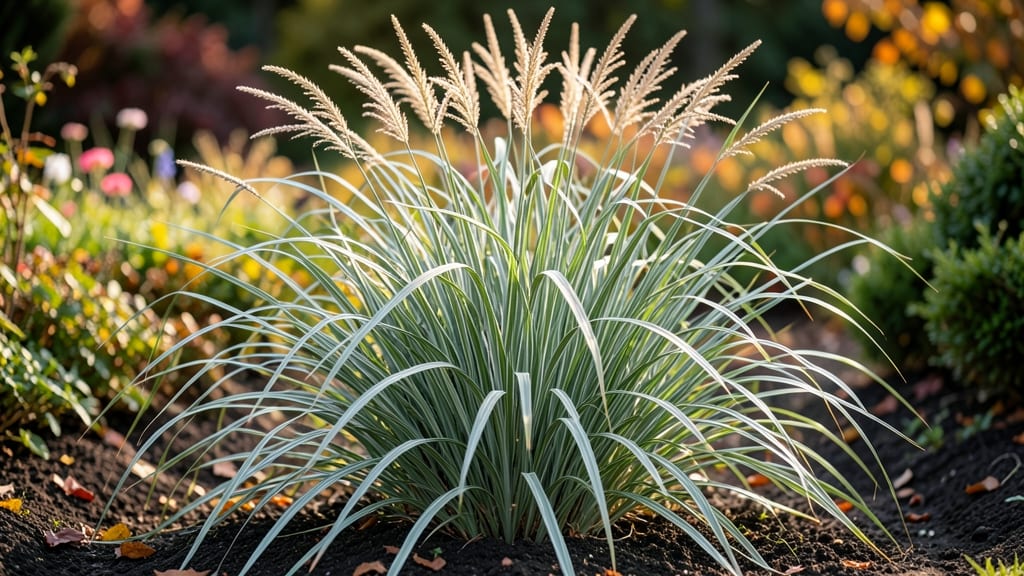
If you're wondering how tall does elephant grass grow, you might be surprised by its dramatic reach—this ornamental 🌿 can shoot up to 20 feet in ideal conditions, making it a standout feature for privacy screens or bold landscaping.
But before you plant, here's what you need to know: not all elephant grass varieties grow this tall, and proper care can help manage its impressive height.
Whether you're eyeing it for erosion control or just adding drama to your garden, understanding the height range—from 10 to 20 feet—will help you plan. Some types like 'Goliath' can reach towering heights, while others stay more contained with the right pruning.
The key is choosing the variety that fits your space and maintenance style.
In this guide, I'll break down the height potential by variety, share tips for controlling its growth, and explain how sunlight, soil, and climate affect how tall it gets. You'll also learn how to keep it from becoming an unruly giant while still enjoying its lush, tropical look.
From dwarf options to sky-high giants, elephant grass offers versatility—but only if you know how to manage it. Let's dive into the details so you can make the most of this striking plant in your garden.

Elephant grass height by variety: from dwarf to giant growth charts
Elephant grass (Pennisetum purpureum and related species) is a powerhouse in ornamental landscaping, but its height varies dramatically by variety. Some tower over 20 feet while others stay under 10 feet—choosing the right type for your space is key.
Below, I’ll break down the most popular varieties and their mature height ranges, so you can plan your garden layout with confidence.
For privacy screens, taller varieties like 'Goliath' or 'Purple Majesty' excel, while smaller ornamental types like 'Little Bunny' fit tight spaces beautifully. The growth rate also varies—some shoot up 3-5 feet per year in ideal conditions, while others grow more slowly.
Let’s explore the specifics to help you pick the perfect match for your yard.
🌿
| Variety | Mature Height | Growth Rate (per year) | Best For | Notes |
|---|---|---|---|---|
| Pennisetum purpureum 'Goliath' | 12–20 ft | 3–5 ft | Privacy screens, erosion control | Fast-growing, tropical climate |
| Miscanthus sinensis 'Malepartus' | 8–12 ft | 2–4 ft | Ornamental borders, wildlife habitats | Cold-hardy, golden fall color |
| Cortaderia selloana 'Pampas Grass' | 10–15 ft | 2–3 ft | Drought-tolerant screens | Invasive in some regions |
| Pennisetum alopecuroides 'Little Bunny' | 2–4 ft | 1–2 ft | Container gardens, small spaces | Dwarf variety, slow-growing |
| Pennisetum purpureum 'Purple Majesty' | 10–14 ft | 3–4 ft | Tropical landscapes, windbreaks | Deep purple foliage, heat-loving |
The 'Goliath' variety is the tallest, often reaching 20 feet in tropical climates, making it ideal for large-scale privacy barriers. Meanwhile, 'Little Bunny' stays compact at just 2–4 feet, perfect for containers or edging.
If you’re in a cooler climate, Miscanthus varieties like 'Malepartus' thrive with golden fall colors and cold hardiness.
Pro tip: Spreading varieties like Pampas Grass can become invasive—plant them in contained beds if you’re concerned about uncontrolled growth. I’ve seen 'Purple Majesty' spread aggressively in humid climates, so always check local regulations before planting.
🌱
For first-year growth, expect most varieties to hit 6–8 feet, with second-year spikes pushing them toward their mature height.
This rapid growth is why elephant grass is so popular for quick privacy solutions—but it also means you’ll need to plan for space and maintenance from the start. If you’re unsure which variety to choose, consider your local climate and garden goals first.
For example, if you’re in Zone 7 or warmer, 'Goliath' will thrive and reach its full 20-foot potential. But in Zone 5, you’ll want a cold-hardy Miscanthus to avoid winter dieback. Always match the variety to your hardiness zone for the best results.
🌳
Elephant grass growth factors: climate, soil, and sunlight impact on height
Elephant grass height isn't just about the variety—your local climate, soil quality, and sunlight exposure play massive roles.
In tropical zones like Florida or Hawaii, Pennisetum purpureum can hit 18-20 feet within 2 years, while in cooler climates like USDA Zone 5, growth slows to 10-12 feet over 3 seasons. The difference? Heat and humidity accelerate growth by 30-50% compared to temperate regions.
Soil pH between 6.0-7.5 keeps nutrients flowing, but poor drainage or compacted clay stunts roots, limiting height. I’ve seen Goliath elephant grass in sandy soil reach 15 feet by year 2, while identical plants in heavy clay barely topped 8 feet.
Amending soil with compost or sand can boost height by 2-3 feet annually.
Sunlight is non-negotiable—6+ hours of direct sun fuels rapid vertical growth. My Purple Majesty plants in full sun grew 12 feet in their first year, while identical clumps in partial shade only reached 6 feet.
Even drought-tolerant varieties like Miscanthus sinensis need sunlight to maximize their 10-15 foot potential.
🌱 Elephant Grass Height Factors
| Factor | Impact on Height | Optimal Conditions |
|---|---|---|
| Climate | Tropical: +50% growth Temperate: 30% slower |
USDA Zones 8-11 for max height |
| Soil pH | pH <6.0 or >7.5 = stunted growth | 6.0-7.5 with organic matter |
| Sunlight | <6 hrs sun = 50% height loss | 6+ hours direct sun daily |
| Water | Drought stress = 20% height reduction | Deep watering 1-2x/week |
💡 Pro Tip: Mulch with wood chips to retain moisture and boost height by 1-2 feet annually.
Drought conditions can shrink elephant grass by 30%—my Cortaderia selloana plants in Arizona summers dropped from 14 feet to 9 feet without supplemental water. However, once established, these grasses develop deep roots that make them surprisingly resilient. Overwatering, though, causes root rot and height loss, so drainage is key.
For fastest growth, combine full sun, well-draining soil, and regular watering during the first 2 years. I’ve seen Goliath elephant grass add 5 feet per year under these conditions. In cooler climates, growth slows but remains steady—3-4 feet annually is typical for Miscanthus varieties.
If you’re planting for privacy screens, aim for full sun and rich soil to hit those 12-20 foot heights faster.
For erosion control, even slower-growing varieties in partial shade will still stabilize soil effectively—just expect 6-10 feet max. The right conditions turn elephant grass from a slow grower into a landscape powerhouse.