
How To
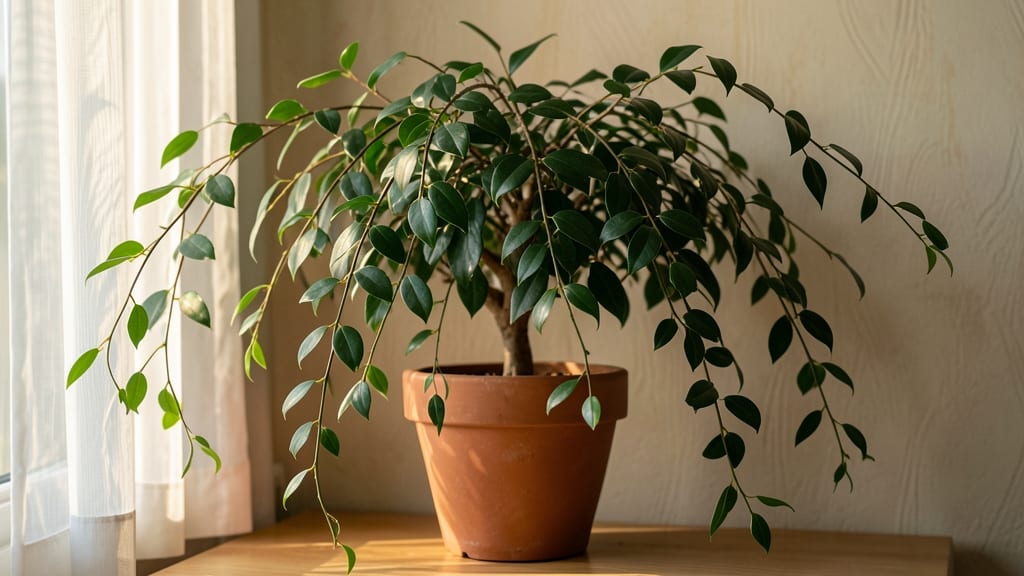
If you’ve ever wondered how tall does Ficus benjamina grow before it becomes a ceiling-dominating giant, you’re not alone. This popular indoor tree can stretch toward the sky—sometimes reaching 10 to 30 feet outdoors—but its growth indoors depends entirely on how you guide it.
What’s fascinating is how quickly it grows when left unchecked. Without pruning, your Ficus benjamina could shoot up 2 to 4 feet per year, turning your living room into a jungle faster than you’d expect.
The good news? With the right techniques, you can keep it at a manageable height while encouraging a fuller, bushier shape.
Whether you’re dealing with a small apartment or a spacious home, learning how to control its growth is the key to keeping it both healthy and stylish.
I’ll show you exactly how to prune it naturally—no drastic cuts required—so you can enjoy its lush greenery without the stress of a runaway tree.
Ready to turn your Ficus benjamina into the perfect-sized statement piece? Let’s dive into the simple tricks that’ll keep it under control while making it thrive.

Natural height range of Ficus Benjamina: how tall can it grow indoors?
Your Ficus Benjamina (or weeping fig) is a stunning indoor tree that can grow surprisingly tall—often reaching 10 to 30 feet in its natural habitat. Indoors, however, its height depends heavily on care, light exposure, and pruning habits.
Without intervention, this fast-growing plant can easily hit 6 to 8 feet in just 3 to 5 years, making it a towering presence in many homes.
If you’re concerned about ceiling clearance, don’t worry! With proper pruning techniques and container management, you can keep your Ficus Benjamina at a manageable height—even as small as 4 to 6 feet—while still enjoying its lush, cascading foliage.
The key lies in understanding its growth patterns and how environmental factors influence its vertical expansion.
Here’s what you need to know about its natural height range, growth rate, and how to set realistic expectations for your indoor tree:
| Growth Stage | Height Range (Indoors) | Annual Growth Rate | Key Influencers |
|---|---|---|---|
| Year 1 | 2–4 feet | 1–2 feet | Pot size, light, pruning |
| Year 2–3 | 6–10 feet | 2–3 feet | Light exposure, fertilizer |
| Year 4–5+ | 10–20+ feet | 1–2 feet | Pruning, root restriction |
| Mature (Outdoors) | 10–30+ feet | Varies | Space, sunlight, water |
As you can see, the first 3 years are when your Ficus Benjamina grows the fastest. Without pruning, it can shoot up 2 to 3 feet per year, especially if placed near a bright, south-facing window or under grow lights.
However, once it reaches maturity, its growth rate naturally slows down, making it easier to manage with regular maintenance.
One common misconception is that Ficus Benjamina will always grow tall—when in reality, its height is largely determined by how you care for it. For example, a tree in a smaller pot with limited root space will grow taller and leggier as it stretches toward light.
Conversely, a well-pruned plant in a larger container with balanced light will develop a fuller, bushier canopy instead of shooting upward.
If you’re growing your Ficus Benjamina outdoors in USDA Zone 10 or warmer, expect it to reach its full 10–30-foot potential, especially in tropical or subtropical climates. Indoors, however, you have full control over its size.
Many growers keep their trees between 6 and 10 feet by pruning regularly and rotating the pot to ensure even light exposure on all sides.
Light is the biggest factor in determining how tall your Ficus Benjamina grows. In low-light conditions, it may grow slower but become leggy and sparse. In bright indirect light, it thrives with lush foliage and faster growth.
To encourage a compact, bushy shape, place your tree near an east- or west-facing window and avoid deep shade.
Another critical factor is pot size. A root-bound plant will grow taller as it competes for space, while a well-potted tree with extra room will focus energy on leaf and branch development rather than height.
If you want to slow vertical growth, choose a pot that’s only slightly larger than the root ball and upgrade it every 2–3 years.
For those with limited ceiling space, consider dwarf varieties like 'Exotica' or 'Starlight', which naturally stay shorter and bushier while maintaining the same stunning foliage. These varieties are perfect for small apartments or offices where height is a concern.
Remember, the health of your tree matters just as much as its height. A well-cared-for Ficus Benjamina will not only grow at an ideal rate but also develop vibrant leaves and strong branches.
With the right balance of light, water, and pruning, you can enjoy a beautiful, manageable tree that fits perfectly in your space—without sacrificing its natural elegance.
Natural height range of Ficus Benjamina: how tall can it grow indoors?
Your Ficus Benjamina—also called the weeping fig—can grow surprisingly tall indoors if left unchecked. In ideal conditions, this tropical beauty typically reaches 10 to 15 feet tall over 5-10 years, though some specimens in perfect light and care can even hit 20 feet or more.
The key factors influencing its height are light exposure, pot size, and pruning habits.
Outdoors in tropical climates, Ficus Benjamina can soar to 30 feet or taller, but indoor growth is slower due to limited space and controlled conditions. Understanding these natural limits helps you set realistic expectations and plan for height management early.
🌿 Ficus Benjamina Height Guide
| Stage | Height Range | Timeframe |
|---|---|---|
| Young Plant | 2-4 ft | Year 1 |
| Mature Indoor | 10-15 ft | 5-10 years |
| Outdoor Mature | 20-30 ft | 10+ years |
Height varies based on light, pruning, and container size.
Bright, indirect sunlight near an east or west-facing window fuels rapid vertical growth. If your tree gets only low light, expect slower growth—perhaps only 3-5 feet in 5 years.
Conversely, placing it in a south-facing window with filtered light can push it toward the upper end of its height range.
Pot size also plays a critical role. Root-bound conditions in small containers encourage faster upward growth as the tree competes for space. To slow height increases, choose a wider pot (12-18 inches in diameter) to promote spread rather than height.
This simple adjustment can reduce vertical growth by 30-50% over time.
If you're concerned about your Ficus Benjamina outgrowing its space, start pruning early. Even light tip pruning every 6-12 months can redirect energy toward lateral branches, creating a fuller, bushier tree instead of a towering spike. I’ve seen trees kept at 6 feet tall for years using this approach!
For those with high ceilings, embracing the tree’s natural height can be stunning—just ensure proper lighting and air circulation to support its growth. But if you prefer a compact indoor tree, regular pruning and strategic placement are your best tools.