
How To
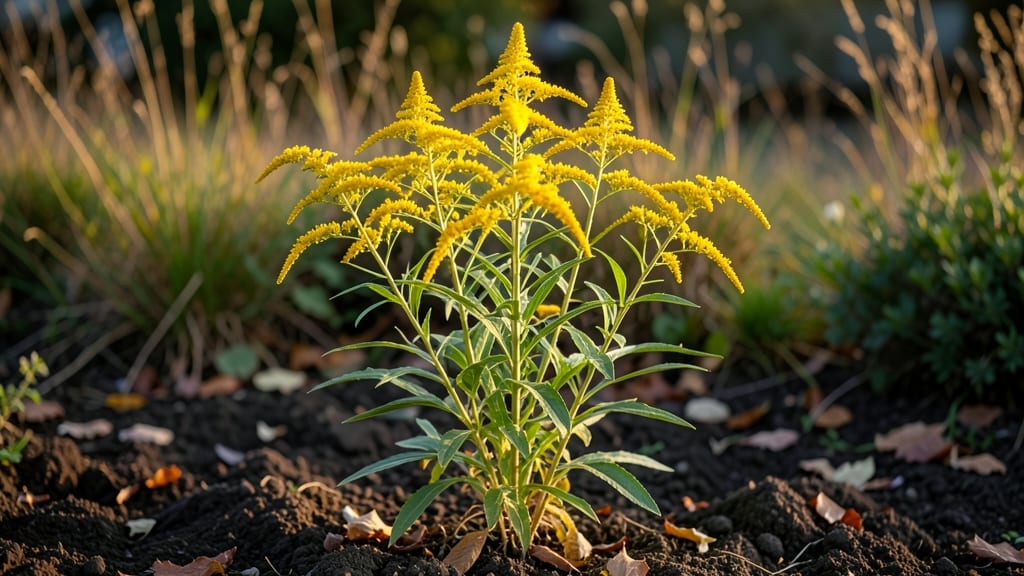
Goldenrod height ranges by common varieties: from compact to towering
Goldenrod (Solidago spp.) is a versatile perennial that thrives in USDA zones 3-9, but its height varies dramatically depending on the variety.
If you're planning your garden layout, knowing these differences helps you choose the perfect spot—whether that's a border garden, wildlife-friendly meadow, or cut-flower arrangement. Some varieties stay compact, while others can reach tall, dramatic heights that add vertical interest.
For example, dwarf goldenrod (Solidago spp. 'Nana') stays under 1-2 feet tall, making it ideal for rock gardens or container planting.
On the other end of the spectrum, giant goldenrod (Solidago gigantea) can soar to 5-6 feet, perfect for backyard borders or pollinator-friendly hedges. The key is matching the variety to your garden’s space and design goals.
Below is a quick reference for the most popular goldenrod varieties and their mature heights. This will help you visualize how each fits into your garden’s height zones and sunlight conditions.
| Variety | Mature Height | Growth Habit | Best For |
|---|---|---|---|
| Dwarf Goldenrod (Solidago spp. 'Nana') | 1-2 ft | Clumping | Rock gardens, containers, borders |
| Canada Goldenrod (Solidago canadensis) | 3-5 ft | Spreading | Wildlife gardens, meadows, backdrops |
| Giant Goldenrod (Solidago gigantea) | 5-6 ft | Tall, upright | Pollinator gardens, tall borders, cut flowers |
| European Goldenrod (Solidago virgaurea) | 2-3 ft | Compact, bushy | Mediterranean-style gardens, slopes |
| Smooth Goldenrod (Solidago glabra) | 2-4 ft | Clumping | Dry gardens, native plantings, pollinator habitats |
If you're working with limited space, dwarf varieties like 'Nana' or 'Little Goldenrod' are excellent choices. They add color and texture without overwhelming smaller gardens. For larger spaces, tall goldenrods like Solidago gigantea create stunning vertical accents and attract bees and butterflies with their late-summer blooms.
One common misconception is that goldenrods are invasive or messy. In reality, their height and spread depend entirely on the variety and growing conditions. With the right pruning and placement, even the tallest goldenrods can be managed neatly.
For instance, deadheading spent blooms encourages bushier growth and prevents seed spread, which is especially useful in smaller gardens.
Goldenrods also vary in their spread potential. Some, like Solidago canadensis, can spread aggressively via rhizomes, while others, like Solidago virgaurea, stay more contained. If you're concerned about overcrowding, opt for clumping varieties or plant them in containers with root barriers.
For cut-flower arrangements, taller varieties like Solidago gigantea are prized for their long stems and durable blooms. They pair beautifully with sunflowers, black-eyed Susans, and eucalyptus in bouquets.
If you're growing goldenrod for dried flowers, choose varieties with sturdy stems and compact clusters, such as Solidago sphacelata 'Golden Fleece'.
When planning your goldenrod placement, consider not just height but also bloom time. Most goldenrods flower from late summer to fall, providing late-season color when many other perennials have faded. This makes them a valuable addition to seasonal interest gardens.
Finally, if you're unsure which variety to choose, start with a mix of heights to create visual layers. For example, pair a 2-foot dwarf goldenrod in the front with a 5-foot giant goldenrod in the back.
This creates depth and draws the eye through your garden space. With the right variety, goldenrod can be both a functional and decorative star in your landscape.
🌼
Goldenrod height ranges by common varieties: from compact to towering
Goldenrod (Solidago spp.) offers a stunning range of heights, from dwarf varieties perfect for containers to tall giants that thrive in meadows. Choosing the right variety ensures your garden design—whether border edges or backdrop plants—stays balanced and visually appealing.
Most gardeners assume goldenrod grows uniformly, but the truth is far more exciting. Some varieties stay under 2 feet, while others reach towering heights of 6 feet or more. Understanding these differences helps you select plants that fit your space without overpowering other flowers.
🌼 Goldenrod Height Comparison by Variety
| Variety | Height Range | Growth Habit | Best For |
|---|---|---|---|
| Solidago canadensis | 3–5 ft | Clumping | Meadows, borders |
| Solidago gigantea | 4–6 ft | Spreading | Wildflower gardens |
| Solidago virgaurea | 1–3 ft | Compact | Containers, rock gardens |
| 'Golden Fleece' | 2–3 ft | Bushy | Cut flowers, borders |
| 'Fireworks' | 3–4 ft | Upright | Backdrop planting |
For small gardens, dwarf varieties like Solidago virgaurea or 'Golden Fleece' are ideal—they fit neatly in containers or borders without overwhelming other plants. Meanwhile, taller varieties like Solidago gigantea create dramatic backdrop effects in larger landscapes.
If you're unsure which variety to choose, consider your garden’s sunlight exposure and available space. Most goldenrods thrive in full sun, but their height can vary based on growing conditions. For example, a Solidago canadensis in poor soil may stay shorter than one in rich, well-drained earth.
Pro tip: If you love goldenrod but lack space, opt for regular pruning to control height. Cutting back stems by one-third in early spring encourages bushier growth and prevents overgrowth. This works especially well for varieties like 'Fireworks' that can otherwise reach 4 feet or taller.
Goldenrod’s height diversity makes it a versatile addition to any garden. Whether you need a low-growing border plant or a tall statement piece, there’s a variety to match your vision—just pick the right one for your space! 🌿