
How To
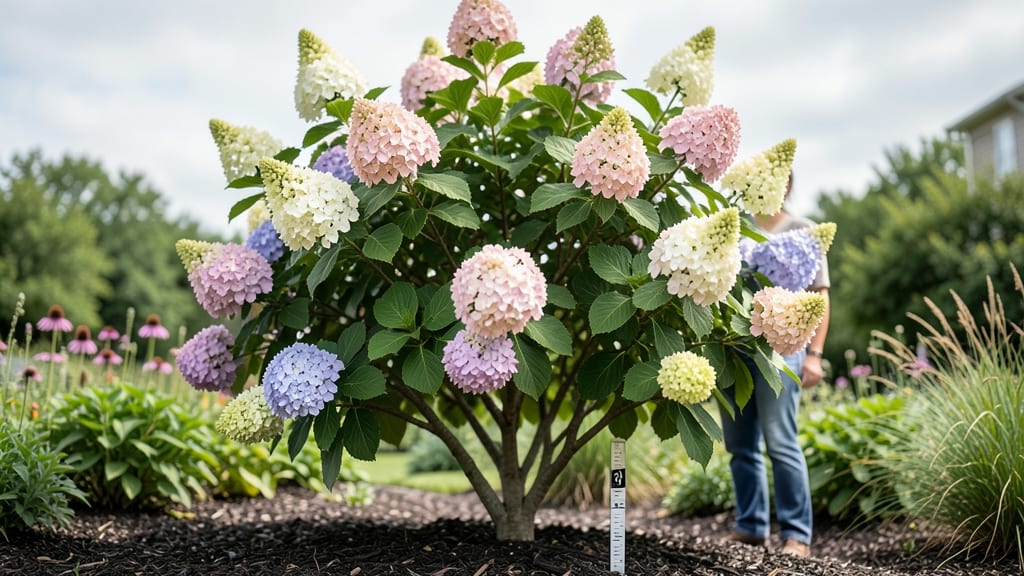
Wondering how tall does a hydrangea tree grow before it steals the spotlight in your yard? The answer isn't one-size-fits-all—some varieties stretch toward the sky like fast-growing giants, while others stay cozy and compact.
If you're planning your garden layout, knowing these heights is the key to avoiding surprises. A Hydrangea Tree 🌸 can range from a modest 6 feet to a towering 20 feet, depending on the variety and care.
Whether you're working with a small urban plot or a spacious backyard, understanding these differences will help you choose the perfect fit.
In this guide, I'll break down the fastest-growing varieties and how pruning can shape their size. You'll also discover the smallest options for tight spaces, so you can create the dream garden without sacrificing style or space.
Ready to find out which hydrangea will thrive in your 6a zone? Let's dive into the details so you can plant with confidence and watch your garden flourish.

Hydrangea tree height by fastest-growing varieties and mature sizes
When planning your garden, knowing how tall a hydrangea tree grows helps you choose the perfect variety for your space. These stunning shrubs can range from compact 3-foot dwarf types to towering 20-foot trees, depending on the species and growing conditions.
Most hydrangea trees reach their mature height within 3-5 years, with some varieties growing 1-3 feet per year under ideal conditions. The fastest-growing types, like Hydrangea paniculata 'Limelight', can quickly become focal points in your landscape.
Here’s what you need to know about the fastest-growing hydrangea trees and their mature sizes to make the best choice for your garden.
| Variety | Mature Height | Growth Rate | Best For |
|---|---|---|---|
| Hydrangea paniculata 'Limelight' | 12-15 ft | 2-3 ft/year | Large gardens, privacy screens |
| Hydrangea arborescens 'Annabelle' | 4-5 ft | 1-2 ft/year | Small yards, containers |
| Hydrangea quercifolia 'Snow Queen' | 10-12 ft | 1-2 ft/year | Woodland gardens, shade areas |
| Hydrangea macrophylla 'Endless Summer' | 3-5 ft | 1 ft/year | Borders, small spaces |
| Hydrangea paniculata 'Grandiflora' | 8-12 ft | 2 ft/year | Mixed borders, focal points |
The Hydrangea paniculata group, including 'Limelight' and 'Grandiflora,' are among the fastest-growing hydrangea trees, often reaching 10-15 feet tall in just a few years. These varieties thrive in full sun to partial shade and are perfect for creating privacy screens or dramatic backyard accents.
If you’re working with limited space, opt for Hydrangea arborescens varieties like 'Annabelle,' which stay compact at 4-5 feet tall. These are ideal for containers or small gardens and still produce abundant blooms.
For a balanced option, consider Hydrangea quercifolia, which grows 10-12 feet tall but has a slower growth rate and stunning fall foliage. This variety is perfect for woodland gardens or shaded areas.
When planning your garden layout, always account for mature height and spreading habits. Hydrangea trees can also double in size if given ideal growing conditions, so leave extra space for their eventual growth.
🌿
How to control hydrangea tree height through pruning and grafting
Controlling your hydrangea tree's height isn't just about patience—it's an art! With the right pruning techniques and timing, you can keep even the tallest varieties like 'Limelight' under control. Start by understanding that hydrangeas grow fastest in spring, so that's when you'll see the most dramatic changes with proper care.
Most hydrangea trees respond well to selective pruning, where you remove only the oldest stems to encourage new growth. For varieties like Hydrangea paniculata, which can reach 15-20 feet, pruning in late winter or early spring helps maintain a manageable height while keeping those stunning blooms.
🌿
Prune Hydrangea paniculata in late winter (before buds swell) or early spring. For Hydrangea arborescens, prune right after blooming to avoid cutting off next year's flowers.
Look for woody stems (older growth) and green stems (new growth). Cut back 1/3 of the oldest stems to the ground to encourage bushier growth.
Use clean, sharp pruners to make cuts at a 45-degree angle just above a bud or leaf node. Avoid leaving stubs, which can invite disease.
Remove crossing or rubbing branches to improve airflow and reduce disease risk. This also helps the plant focus energy on healthier growth.
For taller-than-desired hydrangeas, consider grafting a dwarf variety onto the rootstock. This advanced technique requires skill but can dramatically reduce height over time.
Apply a 2-3 inch layer of mulch around the base to retain moisture and protect roots. Water deeply after pruning to help the plant recover.
If you're dealing with a hydrangea tree that's already too tall for your space, don't despair! Gradual pruning over 2-3 years can bring it down to a more manageable height.
For example, if your 'Limelight' is currently 12 feet tall but you'd prefer 8 feet, aim to reduce it by 1-2 feet per year.
Another pro tip: Fertilize lightly after pruning to support new growth. Use a balanced fertilizer (like 10-10-10) in early spring to encourage vigorous but controlled growth. Avoid heavy fertilizing in fall, as this can stimulate tender new growth that won't survive winter.
With consistent care, your hydrangea tree will thrive at your desired height, adding year-round interest to your garden with its stunning foliage and seasonal blooms. ✂️