
How To
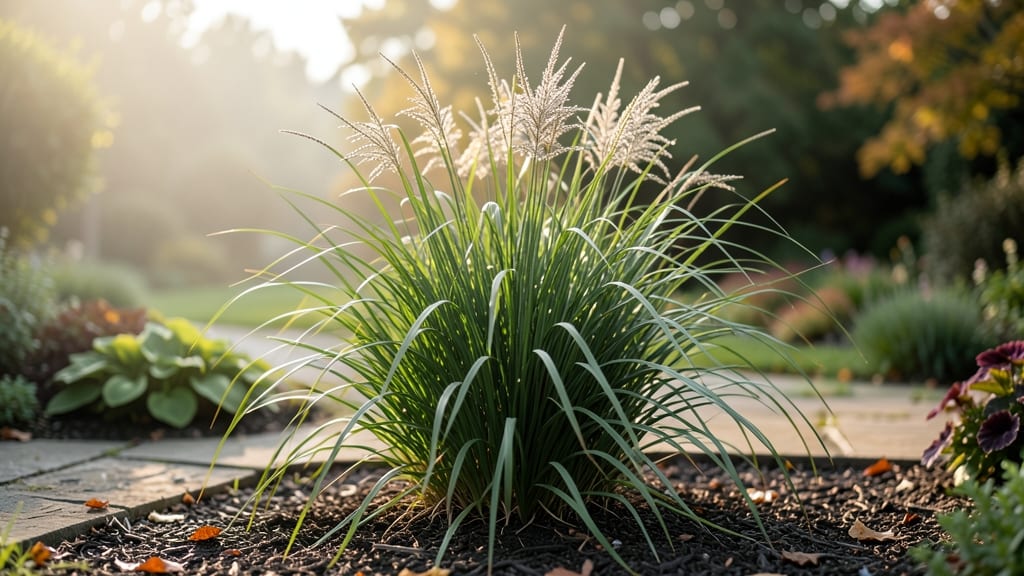
If you're wondering how tall does maiden grass grow, you might be surprised to learn it can shoot up to 12 feet in ideal conditions—but most varieties stay between 4 and 6 feet.
This elegant 🌿 ornamental grass is a favorite for adding movement and texture to gardens, but its height can vary wildly depending on the cultivar and growing conditions.
For example, the popular 'Zebrinus' variety typically reaches 4 to 5 feet, while 'Gracillimus' stays shorter at 2 to 3 feet. What’s fascinating is how quickly it grows—some varieties can add 2 feet in just one season!
Whether you're planning a backyard oasis or a small container garden, understanding these growth patterns is key to creating the perfect look.
Sunlight, soil quality, and even your USDA zone can dramatically affect height. In Zone 6, where winters are colder, maiden grass might grow slower but still thrive with proper care.
The good news? You can easily manage its height with simple pruning techniques, ensuring it stays within your desired space.
Ready to transform your garden? I’ll walk you through everything you need to know—from choosing the right variety to keeping it under control—so you can enjoy this stunning plant without the surprises. Let’s dive in!

Maiden grass height by variety: growth expectations for common cultivars
Maiden grass (Miscanthus) is one of the fastest-growing ornamental grasses, with some varieties reaching towering heights of 10+ feet under ideal conditions. However, not all cultivars grow equally—some stay compact while others become architectural giants.
The variety you choose will determine your garden layout and maintenance needs, so let’s break down the height expectations for popular types.
For example, the dwarf varieties like 'Little Kitten' max out at 2-3 feet tall, making them perfect for borders or containers. Meanwhile, giant cultivars like 'Gracillimus' can soar to 12 feet or more in a single season.
Your climate zone and growing conditions will also influence how tall your maiden grass becomes.
Here’s a quick comparison of how height varies by variety, along with their growth habits and ideal uses in your landscape:
| Variety | Mature Height | Growth Rate | Best For |
|---|---|---|---|
| 'Zebrinus' | 4-6 ft | Moderate (3-4 ft/year) | Backdrop, mixed borders |
| 'Gracillimus' | 8-12 ft | Fast (5-6 ft/year) | Stature plants, focal points |
| 'Little Kitten' | 2-3 ft | Slow (1-2 ft/year) | Containers, edging |
| 'Malepartus' | 6-8 ft | Moderate (4 ft/year) | Screening, tall borders |
| 'Sacchariflorus' | 8-10 ft | Fast (5 ft/year) | Wildflower meadows, prairie gardens |
If you’re planting maiden grass near power lines or walkways, opt for dwarf varieties to avoid obstruction. For dramatic vertical impact, choose 'Gracillimus' or 'Sacchariflorus'—just be prepared for their rapid vertical expansion during the growing season.
Another key factor is seasonal height fluctuation. Most maiden grasses grow 6-12 inches in spring, then surge upward in late summer before maturing in fall. This means a 4-foot plant in spring could double in height by autumn.
For urban gardens with space constraints, consider container-growing dwarf varieties. Even 'Zebrinus' can be pruned back to 3 feet without harm, making it versatile for smaller yards. Always check the cultivar’s tag for specific height ranges—some nurseries list minimum vs. maximum potential heights.
Pro tip: Plant maiden grass in groups of 3-5 for a natural, textured look. Tall varieties like 'Gracillimus' create stunning fall silhouettes when backlit by sunlight, while dwarf types add ground-level texture to rock gardens.
🌿
Year-round height progression: when and how fast maiden grass grows
Maiden grass (Miscanthus) doesn't grow at a steady pace—its height progression follows distinct seasonal patterns that gardeners should anticipate. In spring, new shoots emerge from the ground and grow rapidly, reaching 1-2 feet by early summer.
This initial burst of growth sets the foundation for its mature height, which can vary dramatically depending on the variety and growing conditions.
The most dramatic height increase occurs during late summer and early fall, when maiden grass reaches its peak. Some varieties like Miscanthus giganteus can shoot up 3-4 feet in just 2 months, while others like M. sinensis 'Zebrinus' grow more gradually.
By autumn, the grass achieves its full mature height, often between 4-12 feet, depending on the cultivar and care provided.
Winter brings dormancy, but don't mistake this for stunted growth. Maiden grass remains dormant but retains its overwintering height, which can be 2-3 feet shorter than its summer peak. This seasonal fluctuation is normal and helps the plant conserve energy for next year's growth spurt.
| Season | Height Progression | Key Growth Factors |
|---|---|---|
| Spring | 0-2 ft (rapid early growth) | Soil warmth, sunlight exposure |
| Summer | 2-12 ft (peak growth phase) | Water availability, nutrient levels |
| Fall | Mature height maintained (4-12 ft) | Sunlight duration, temperature drops |
| Winter | Dormant (2-3 ft reduction) | Cold tolerance, mulch protection |
Several factors influence how quickly and tall maiden grass grows. Full sun exposure accelerates growth, while partial shade can limit height by 20-30%.
Well-draining soil rich in organic matter provides the nutrients needed for vigorous growth, while poor soil may result in stunted plants that struggle to reach their potential height. Additionally, regular pruning can redirect energy, sometimes resulting in bushier growth rather than taller stalks.
If you're planning your garden layout, remember that maiden grass typically reaches 50-70% of its mature height by mid-summer. This means a 6-foot variety will likely be 3-4 feet tall by July, allowing you to gauge its placement in your landscape design.
For smaller spaces, consider dwarf varieties like Miscanthus sinensis 'Malepartus' which max out at 3-4 feet.
Monitoring your maiden grass's height progression throughout the year helps you anticipate its needs. For example, if your plant seems to stall in growth during summer, it may need additional water or a light fertilizer application to encourage further height development.
Conversely, if it grows too aggressively, strategic pruning can help manage its size without sacrificing its beauty.