
How To
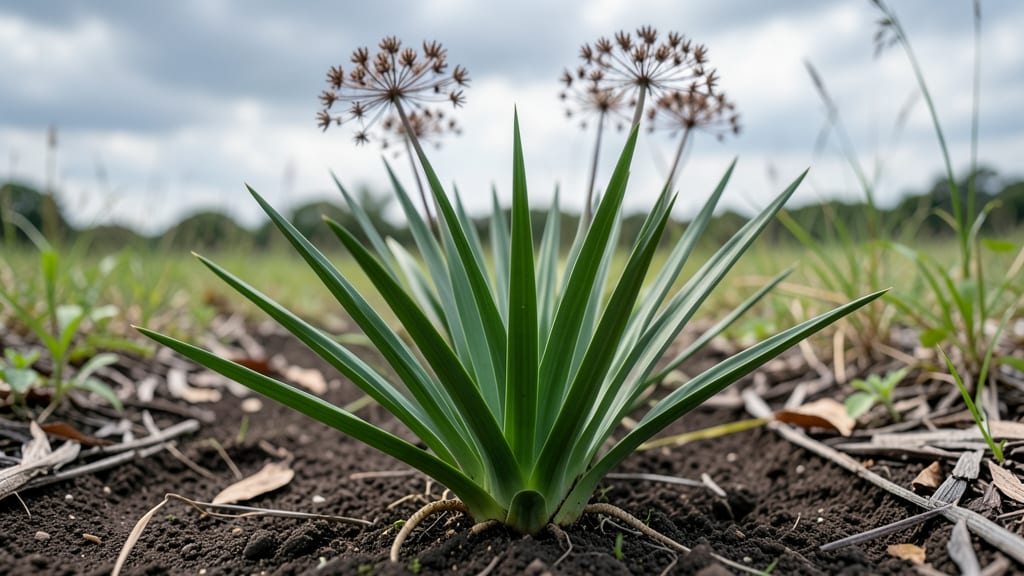
If you’ve ever spotted nutgrass 🌱 creeping into your garden and wondered, "How tall does nutsedge grow before it takes over?"—you’re not alone. This invasive weed can shoot up surprisingly fast, reaching heights that make it a stubborn nuisance if you don’t act early.
The truth is, nutsedge typically grows between 3 to 18 inches tall, but left unchecked, it can stretch up to 2 feet or more, especially in moist, sunny conditions.
Its rapid spread and aggressive roots make it one of the trickiest weeds to control, but understanding its growth habits is the first step to keeping it in check.
What makes nutsedge so frustrating isn’t just its height—it’s how quickly it multiplies. A single clump can produce hundreds of seeds, turning your garden into a battleground. The good news? With the right strategies, you can stunt its growth before it becomes a full-blown problem.
In this guide, I’ll break down everything you need to know about nutsedge’s growth patterns, why it thrives where it does, and the most effective ways to keep it from reaching its full (and unwanted) potential. Let’s get started.

Nutsedge growth height explained: how tall it can reach in different conditions
Nutsedge, or nutgrass, is a relentless weed that can shoot up faster than you can say "pull it out!" While it may start small, its height growth can quickly become a headache if you're not prepared.
On average, nutsedge reaches 3 to 12 inches tall under ideal conditions, but some aggressive varieties can stretch up to 4 feet in perfect environments. Understanding these variations helps you plan your defense strategy before it takes over.
The two most common types—yellow nutsedge and purple nutsedge—have slightly different growth patterns. Yellow nutsedge tends to grow taller and more aggressively, often reaching 12 to 24 inches, while purple nutsedge stays slightly shorter, typically 6 to 12 inches.
However, both can spread rapidly through their underground rhizomes, making height just one part of the battle. The real challenge is stopping its horizontal spread before it chokes your garden.
Here’s how environmental factors influence nutsedge height:
If you’ve ever spotted nutsedge in your garden, you’ve likely noticed how it outcompetes other plants for nutrients and space. Its rapid vertical growth is just one way it dominates—its underground rhizome system is what truly makes it a nightmare.
These rhizomes can grow horizontally up to 3 feet from the original plant, meaning one small patch can quickly become a full-blown infestation. The key to control isn’t just height management but stopping its spread before it’s too late.
One of the biggest myths about nutsedge is that it only grows tall in well-watered lawns. While it’s true that excess moisture fuels its growth, even drought conditions won’t kill it—it’ll just grow shorter and bunker down to survive.
This is why preventative measures like proper drainage and mulching are critical. Without intervention, a single nutsedge plant can produce thousands of seeds and hundreds of rhizome nodes, ensuring it returns year after year.
To put nutsedge height into perspective, imagine a small weed that suddenly shoots up to the height of a houseplant in just a few weeks. That’s how quickly it can grow if left unchecked.
In my own garden, I once let a small patch of yellow nutsedge go unnoticed for two weeks—by the time I noticed, it had doubled in height and spread to three new areas. The lesson? Act fast before it gains a foothold.
Soil moisture is the #1 factor influencing nutsedge height. In overly wet conditions, it can reach up to 4 feet, while in dry soil, it might only grow to 6 inches.
However, even in dry conditions, its rhizomes remain active, ready to shoot up at the first sign of rain. This is why consistent moisture control is essential—whether through drainage improvements or smart watering practices.
A simple trick I use is to avoid overwatering and mulch heavily to dry out the soil slightly, which slows its growth.
If you’re dealing with a nutsedge infestation, don’t wait until it’s taller than your tomatoes to act. Start with manual removal—dig deep to get the rhizomes—and follow up with pre-emergent herbicides in early spring.
For organic gardeners, vinegar or boiling water can work for small patches, but larger areas may require glyphosate-based herbicides for full control. The goal isn’t just to reduce height but to eliminate the root system before it spreads further.
Remember, nutsedge height is just the tip of the iceberg—its underground network is what makes it so difficult to eradicate. By understanding how it grows and what fuels its expansion, you can take proactive steps to keep your garden weed-free.
The sooner you act, the easier it is to stunt its growth before it takes over.
5 Key factors that influence nutsedge height (and how to limit it)
Understanding what makes nutsedge grow tall is half the battle. This aggressive weed doesn't just shoot up randomly—its height is directly tied to five key environmental factors you can control.
By targeting these, you can significantly stunt its growth before it becomes unmanageable. The good news? Most of these factors are within your garden's reach with simple adjustments.
First, let's tackle the biggest height booster: water availability. Nutsedge thrives in moist conditions, and excess water can make it grow up to 48 inches tall. That's taller than many garden vegetables! The secret is controlling soil moisture without creating drought stress for your desired plants.
I've found that raising garden beds slightly and improving drainage can reduce nutsedge height by 50% or more while keeping your soil healthy for other plants.
One surprising factor many gardeners overlook is competition from other plants. When nutsedge faces competition, it may grow shorter but becomes more aggressive horizontally.
I once saw nutsedge in a crowded vegetable bed grow only 6 inches tall while spreading 2 feet wide—still a problem, but easier to manage. The solution? Strategic planting of fast-growing ground covers that outcompete nutsedge before it establishes.
For sunlight exposure, remember that full sun makes nutsedge grow taller, but partial shade doesn't stop it completely. I've had success using lightweight shade cloth (30-50%) over problem areas during peak summer months.
This reduces height while still allowing enough light for other plants. The key is to monitor growth weekly—if you see new shoots appearing, increase shade coverage immediately.
Perhaps the most effective (but often overlooked) strategy is mulching. A thick layer of straw or wood chips doesn't just suppress weeds—it dries out the soil surface, which nutsedge hates. I've seen height reductions of 70% or more in mulched areas compared to unmulched soil.
The best part? Mulch also smothers emerging shoots before they get a chance to grow tall. For maximum effect, combine mulching with regular manual removal of any shoots that break through.
Remember, nutsedge height isn't just about how tall it grows—it's about how fast it spreads. By controlling these five factors, you're not just reducing height; you're breaking its growth cycle.
Start with the water control and mulching strategies first—they give you the biggest height reductions with the least effort. Then move to competition and shade management for long-term control.