
How To
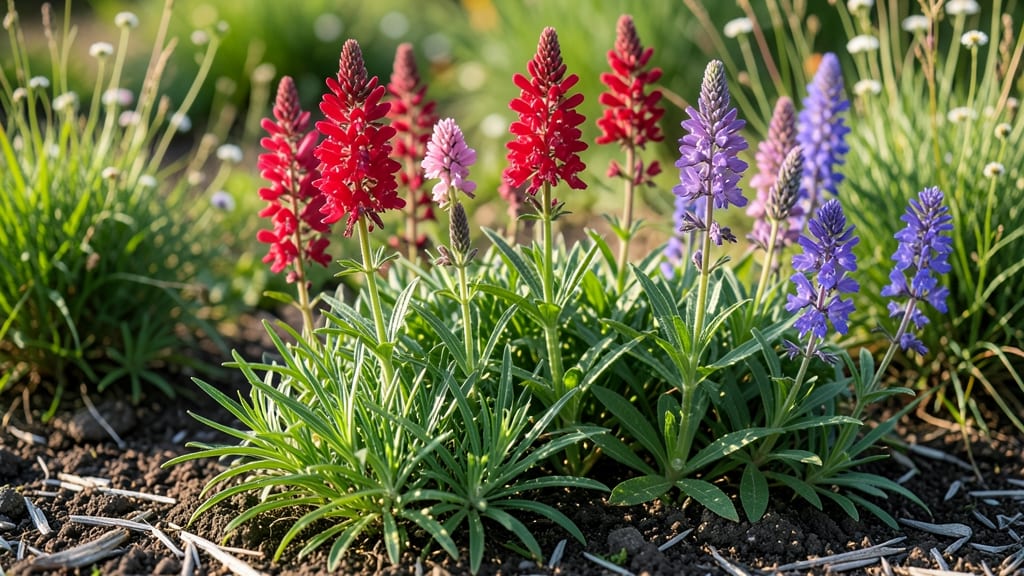
Wondering how tall does penstemon grow before it becomes a space hog in your garden? This cheerful 🌸 beauty comes in sizes from tiny tabletop companions to towering garden stars—so your choice depends entirely on your layout.
Most penstemon varieties mature between 1 to 4 feet, but some dwarf types stay as short as 6 inches, while others like Penstemon digitalis can reach nearly 4 feet when happy.
The key to getting the right height lies in sunlight, soil, and pruning—all factors we’ll break down to help you pick the perfect fit for your space.
If you’re working with limited garden real estate, compact varieties like Penstemon strictus (under 12 inches) make ideal edging plants. For bold vertical accents, taller types need proper spacing—2 to 3 feet apart—to prevent overcrowding and ensure those stunning blooms get the airflow they deserve.
Ready to transform your garden with the right penstemon height? Let’s explore how to choose, space, and even control their growth so your 🌸 display stays picture-perfect all season.

Penstemon height by variety: from dwarf to towering types
Penstemon plants offer a stunning range of heights, from tiny mounds perfect for rock gardens to towering spikes that add drama to borders.
The mature height of your penstemon depends entirely on the variety you choose, with some reaching nearly 4 feet tall while others stay under 12 inches.
Understanding these differences helps you select the right type for your garden design—whether you need a low-growing ground cover or a vertical accent plant.
Most penstemon varieties fall into three broad height categories: dwarf (6–18 inches), medium (18–30 inches), and tall (30–48 inches).
For example, Penstemon strictus stays compact at just 6–12 inches, making it ideal for container gardens or edging, while Penstemon digitalis stretches up to 3–4 feet, perfect for back-of-border planting.
Regional climates can also influence growth—cooler areas may see slightly shorter plants, while hot, dry climates often encourage taller, more robust growth.
Here’s a quick look at how 12 popular penstemon varieties compare in height, including their growth habits and best uses in the garden:
| Variety | Height Range | Growth Habit | Best For |
|---|---|---|---|
| Penstemon strictus | 6–12 inches | Mounding | Rock gardens, containers |
| Penstemon barbatus | 12–18 inches | Upright | Pollinator gardens, borders |
| Penstemon digitalis | 30–48 inches | Tall spikes | Back of borders, cut flowers |
| Penstemon spectabilis | 24–36 inches | Clumping | Perennial beds, cottage gardens |
| Penstemon eatonii | 18–24 inches | Semi-upright | Dry slopes, native gardens |
| Penstemon pinifolius | 12–18 inches | Compact mounds | Alpine gardens, containers |
| Penstemon heterophyllus | 18–24 inches | Trailing | Hanging baskets, rock walls |
| Penstemon fruticosus | 24–36 inches | Shrub-like | Shrub borders, hedges |
| Penstemon palmeri | 12–18 inches | Low-spreading | Ground cover, pollinator gardens |
Optimal spacing and garden placement for penstemon heightsProper spacing is the secret to letting penstemon thrive without crowding out its neighbors. Since heights vary from 6 inches to 4 feet, your spacing strategy should match the mature size of each variety. For example, compact types like Penstemon strictus (6–12 inches tall) only need 8–12 inches apart, while towering Penstemon digitalis (3–4 feet) requires 2–3 feet of space to prevent competition for sunlight and nutrients. When planning your garden layout, think vertically! Tall penstemon varieties make stunning backdrop plants, while shorter types excel as foreground accents or container stars. For instance, place Penstemon spectabilis (24–36 inches) behind shrubs or perennials to create a layered look, or tuck Penstemon barbatus (12–18 inches) along walkways for a pollinator-friendly border. Here are my top 5 spacing and placement tips to maximize penstemon’s impact while keeping your garden tidy and healthy:
1. Dwarf varieties (6–18 inches): Space 8–12 inches apart in rock gardens or containers. Perfect for edging or spilling over pot rims!
2. Medium varieties (18–30 inches): Allow 12–18 inches of space in perennial beds or pollinator gardens. Pair with lavender or salvia for a cohesive look.
3. Tall varieties (30–48 inches): Give them 2–3 feet of clearance at the base. Ideal for back-of-border planting or cut flower gardens.
4. Trailing types (e.g., Penstemon heterophyllus): Hang in baskets or trellises with 12–18 inches between plants to create a cascading effect.
5. Windy climates: Stake tall varieties early to prevent flopping and reduce spacing needs by 20%.
One of my favorite tricks? Grouping penstemon by height creates a natural staircase effect in the garden. Start with tallest varieties at the back, then layer medium heights in the middle, and finish with dwarf types up front. This not only saves space but also draws the eye through your garden like a living painting. For container gardening, choose 1–2 dwarf varieties per pot (like Penstemon strictus and Penstemon pinifolius) and pair them with succulents or ornamental grasses for contrast. Just ensure pots have drainage holes—penstemon hates soggy roots! Lastly, avoid planting penstemon too close to aggressive spreaders like creeping thyme or mint, which can overwhelm its delicate roots. Instead, opt for companion plants with similar water needs, such as sedum, yarrow, or catmint, to create a low-maintenance, high-impact display. With the right spacing, your penstemon will thrive without competing—and your garden will thank you with bold blooms all season! 🌸 |