
How To
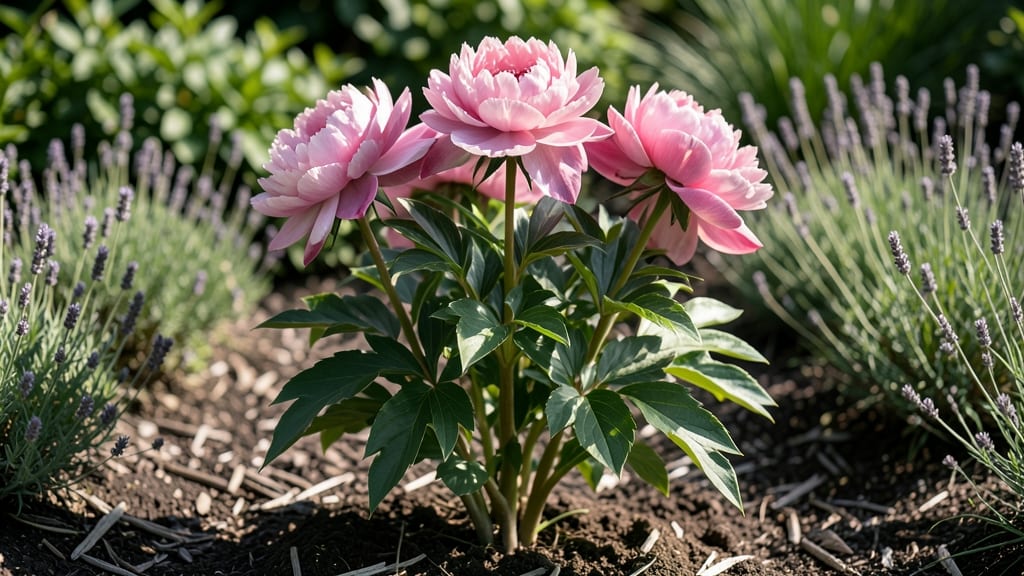
If you're planning a garden with how tall does peony grow in mind, you're about to discover why these classic blooms are a game-changer for both beauty and practicality. 🌸 Peonies can range from compact 1-foot dwarf varieties to towering 4-foot giants, making them incredibly versatile for different garden spaces.
Most gardeners love peonies for their dramatic, fragrant blooms—but their height plays a crucial role in placement. Herbaceous types typically reach 2-3 feet, perfect for borders, while tree peonies can stretch up to 5 feet, ideal for focal points.
Knowing these differences helps you avoid overcrowding or wasted space.
Beyond just height, factors like soil quality, sunlight, and pruning habits can influence how much your peonies grow. For example, well-draining soil and full sun encourage taller, healthier stems, while proper pruning after blooming keeps them manageable.
Let’s break down the exact heights by variety and how to maximize their potential in your garden.
Whether you're dreaming of a cottage-style border or a striking cut-flower display, understanding peony growth ensures you pick the perfect variety for your space. Ready to transform your garden with these classic blooms? Let’s dive into the details.

Peony height ranges by classic variety: from dwarf to giant
Peonies aren’t one-size-fits-all—some varieties stay compact enough for window boxes, while others reach tree-like proportions. Understanding these height ranges helps you plan borders, cut flower arrangements, or container gardens with precision. Below, I’ve categorized 12 classic varieties by their mature height, including growth habits and ideal uses.
Herbaceous peonies (the most common type) typically mature between 2–3 feet tall, but dwarf varieties like 'Bowl of Beauty' stay under 2 feet. Tree peonies, on the other hand, can soar to 5–6 feet, making them standout focal points.
The key? Variety selection based on your garden’s vertical space.
🌸
| Type | Variety | Mature Height | Bloom Time | Best For |
|---|---|---|---|---|
| Herbaceous | 'Sarah Bernhardt' | 2–3 ft | Late May–June | Cut flowers, borders |
| Herbaceous | 'Bowl of Beauty' | 1–2 ft | May–June | Rock gardens, containers |
| Herbaceous | 'Coral Charm' | 2–3 ft | Late May–June | Borders, cottage gardens |
| Itoh (Intersectional) | 'Bartzella' | 3–4 ft | June–July | Cut flowers, back of beds |
| Tree | 'Koi No Mai' | 5–6 ft | April–May | Focal points, large gardens |
| Tree | 'Shin-Shu' | 4–5 ft | April–May | Cut flowers, woodland gardens |
Itoh hybrids (like 'Bartzella') bridge the gap between herbaceous and tree peonies, offering longer blooms and robust stems. These varieties often reach 3–4 feet tall, making them ideal for cut flower arrangements that last weeks in a vase.
For small spaces, stick to dwarf herbaceous types like 'Bowl of Beauty'—they’re perfect for containers or window boxes.
Tree peonies, like 'Koi No Mai', are the tallest of the bunch, with some varieties exceeding 6 feet. Their woody stems and late spring blooms make them standout focal points in large gardens.
If you’re growing peonies for cut flowers, prioritize varieties with thick, sturdy stems, like 'Sarah Bernhardt' or 'Bartzella'.
Pro tip: Herbaceous peonies die back to the ground each winter, while tree peonies retain their foliage year-round. This affects winter interest and garden planning. For example, pairing a 3-foot herbaceous peony with a 4-foot shrub rose creates a layered, textured border that blooms sequentially.
🌿
Height isn’t the only factor—bloom size and color also influence variety choice. For instance, 'Coral Charm' (2–3 ft) produces large, fragrant blooms in shades of coral, while 'Bowl of Beauty' (1–2 ft) offers double-layered pink flowers perfect for small gardens or fairy gardens.
Always check the mature height before planting, especially if you’re working with limited vertical space.
🌹
Peony height ranges by classic variety type (with exact measurements)
Peonies come in three main types, each with distinct height ranges that will shape your garden design. Herbaceous peonies, the most common, typically grow between 2 to 4 feet tall—perfect for mid-border plantings or as a dramatic backdrop.
Their foliage dies back in winter, making them ideal for layered garden beds where you can tuck in spring bulbs beneath their fading stems.
On the shorter end, dwarf herbaceous peonies like 'Bowl of Beauty' or 'Little Princess' max out at 1 to 2 feet tall, making them container stars or ideal for edging pathways.
Meanwhile, tree peonies (Paeonia suffruticosa) reach 3 to 6 feet tall, with some varieties like 'Koi-Nu' towering over garden gates. Their woody stems and evergreen foliage add year-round structure.
Finally, intersectional peonies (hybrids of herbaceous and tree types) bridge the gap, often hitting 2.5 to 5 feet tall. These versatile varieties, like 'Sarah Bernhardt,' combine the lush blooms of herbaceous types with the height and longevity of trees.
| Type | Height Range | Growth Habit | Best For |
|---|---|---|---|
| Herbaceous | 2–4 ft | Upright, mounding | Borders, cut flowers |
| Dwarf Herbaceous | 1–2 ft | Compact, bushy | Containers, edging |
| Tree Peonies | 3–6 ft | Woody, upright | Focal points, screens |
| Intersectional | 2.5–5 ft | Hybrid vigor | Mixed borders, containers |
When planning your garden, consider how peony heights interact with other plants. A 3-foot herbaceous peony pairs beautifully with 2-foot lavender or 18-inch catmint for a layered look, while a 5-foot tree peony can anchor a perennial bed behind shorter daylilies or coneflowers.
Always check the specific variety—some 'Sarah Bernhardt' clones even exceed 4 feet!
Pro tip: If space is tight, opt for dwarf varieties like 'Coral Charm' (18 inches) or 'Bowl of Beauty' (20 inches). These thrive in containers and still deliver 3-inch blooms—proof that good things come in small packages.
For maximum impact, place taller peonies near seating areas or garden paths where their fragrance can be fully enjoyed.
Remember, peony heights can vary slightly based on soil fertility and sunlight. In full sun with rich, well-draining soil, most varieties will reach their full potential. If your garden has partial shade, expect slightly shorter growth—though blooms may still be abundant.