
How To
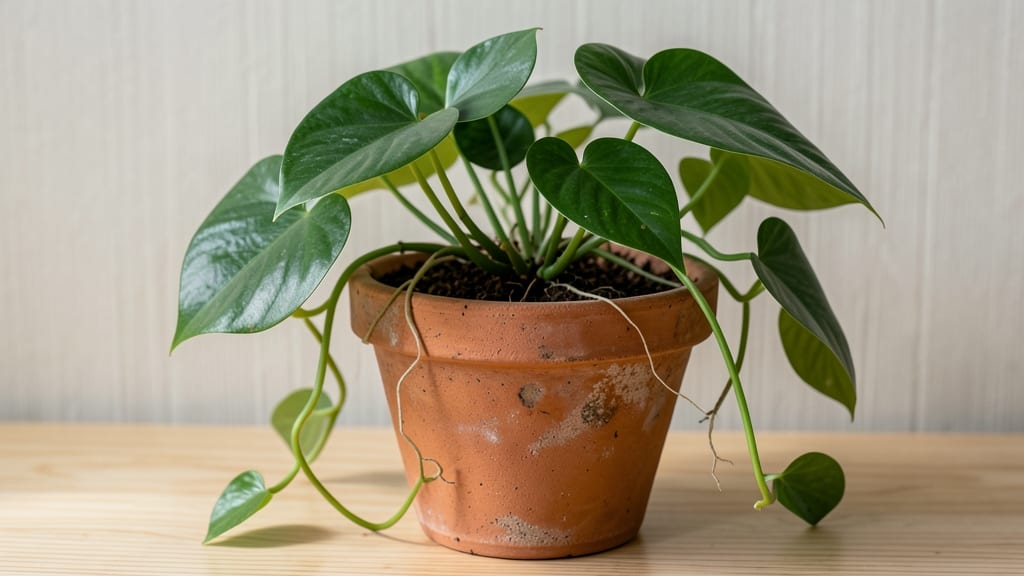
Wondering how tall does philodendron grow before it takes over your space? These lush, 🌿 green vines can range from delicate trailing plants to towering giants—depending on the variety and care you provide.
If you're dreaming of a cascading philodendron that drapes elegantly from shelves or a bold, upright variety that reaches for the ceiling, understanding their growth habits is the first step.
Some types stay compact at just 2–4 feet, while others can climb to 10 feet or more indoors with the right support.
Light plays a huge role—too little, and your philodendron will stretch leggy; too much direct sun, and those stunning leaves may scorch. Pruning and training techniques can also help you manage their size, whether you want a controlled indoor display or a wild, jungle-like spread.
Ready to turn your space into a philodendron paradise? Let’s break down the differences between vining and trailing types, how to control their height, and the care tips that keep them thriving—no matter how big (or small) you want them to grow.

Philodendron growth height: Vining vs trailing types explained
Philodendrons come in two main growth habits: vining and trailing, each with dramatically different height potentials.
Understanding these differences helps you choose the right variety for your space. Vining philodendrons, like the tree philodendron (Philodendron bipinnatifidum), grow upright and can reach 10–40 feet tall outdoors, while trailing types, such as heartleaf philodendron (Philodendron hederaceum), spread horizontally and rarely exceed 3–6 feet in height but spread 6–10 feet wide.
The height of your philodendron depends on its species, light exposure, and growing conditions. For example, a Philodendron 'Xanadu' stays compact at 2–4 feet tall, making it perfect for small spaces, while a Philodendron 'Pink Princess' can grow 3–6 feet tall with proper care.
Light plays a crucial role—bright indirect light encourages faster, taller growth, while low light slows growth and keeps plants shorter but leggier.
Outdoors in tropical climates, philodendrons can grow aggressively, reaching 20–40 feet tall when given space and support. Indoors, container size and pruning limit height, but even in pots, some varieties like Philodendron 'Brasil' can climb 6–10 feet with a moss pole.
Always consider your space before choosing a variety—what fits in a hanging basket won’t thrive on a ceiling-mounted trellis.
| Variety | Growth Habit | Mature Height | Spread | Best For |
|---|---|---|---|---|
| Philodendron hederaceum | Trailing | 3–6 ft | 6–10 ft | Hanging baskets, shelves |
| Philodendron bipinnatifidum | Vining | 10–40 ft | N/A (needs support) | Outdoor gardens, large indoor spaces |
| Philodendron 'Xanadu' | Compact | 2–4 ft | 2–3 ft | Small spaces, desks |
| Philodendron 'Pink Princess' | Vining | 3–6 ft | 4–6 ft | Indoor supports, shelves |
| Philodendron 'Brasil' | Vining | 6–10 ft | 5–8 ft | Large pots, trellises |
Light exposure directly impacts how tall your philodendron grows. Place your plant near an east or north-facing window for bright indirect light, which encourages healthy, upright growth. Avoid direct sunlight, which can scorch leaves, and never place it in complete darkness, which stunts growth.
If your philodendron starts growing too leggy, it’s a sign it needs more light—rotate the pot occasionally to ensure even growth.
Soil type and pot size also influence height. Use a well-draining potting mix with perlite or orchid bark to prevent root rot, which can slow growth. For vining varieties, choose a pot 1–2 inches larger in diameter than the root ball to encourage upward growth.
Trailing types thrive in hanging baskets or shallow containers to promote horizontal spread rather than vertical growth.
Fertilizing plays a key role in managing height. During the spring and summer growing season, use a balanced 10-10-10 fertilizer every 4–6 weeks to support lush foliage.
Reduce feeding in fall and winter to slow growth and prevent legginess. Over-fertilizing can lead to salt buildup in soil, which stresses the plant and affects height.
If you’re wondering whether your philodendron will outgrow its space, monitor its growth rate. Most varieties grow 6–12 inches per year indoors, while outdoor plants can grow 2–3 feet per year
Philodendron growth height: Vining vs trailing types explained
Philodendrons are famous for their dramatic growth habits, but not all varieties reach for the sky. Some stay compact while others climb like jungle vines. The height difference between trailing types like Philodendron hederaceum and towering varieties like Philodendron bipinnatifidum can be staggering—up to 40 feet outdoors!
Understanding these growth patterns helps you choose the perfect variety for your space.
Trailing philodendrons, such as the popular heartleaf philodendron, typically max out at 3–6 feet when grown indoors. These varieties spread horizontally, making them ideal for shelves, hanging baskets, or cascading down walls. Their slow vertical growth keeps them manageable, even in small apartments.
In contrast, upright or tree philodendrons like the Xanadu or bipinnatifidum can grow 10–40 feet tall with proper support. These giants thrive outdoors in warm climates but also adapt well to large indoor spaces with moss poles or trellises.
Their rapid vertical growth makes them a statement plant in gardens or sunrooms.
| Variety | Growth Habit | Mature Height (Indoors) | Spread Potential |
|---|---|---|---|
| Philodendron hederaceum | Trailing | 3–6 ft | 6–10 ft (horizontal) |
| Philodendron 'Hope' | Dwarf Trailing | 2–4 ft | 4–6 ft (horizontal) |
| Philodendron bipinnatifidum | Upright | 10–40 ft | 6–12 ft (width) |
| Philodendron 'Xanadu' | Bushy Upright | 6–10 ft | 4–6 ft (width) |
Light plays a critical role in determining how tall your philodendron grows. In low-light conditions, trailing types may stretch leggy, reaching up to 8 feet in search of light, while upright varieties grow slower and more compact.
Conversely, bright indirect light encourages fuller, bushier growth and supports the plant’s natural height potential.
For indoor growers, container size also affects height. Smaller pots restrict root growth, keeping plants shorter but may limit overall vigor. Larger containers allow roots to spread, supporting taller growth—ideal for varieties like Philodendron gloriosum, which can reach 6–10 feet with proper care.
Always use pots with drainage holes to prevent root rot.
Outdoors, philodendrons in USDA Zone 10+ can grow unrestrained, especially in humid climates. Varieties like Philodendron selloum or Philodendron melanochrysum may exceed 15 feet without intervention. In cooler climates, they’re best grown as container plants and brought indoors during winter.
If you’re unsure which variety fits your space, start with a trailing type like Philodendron micans for a low-maintenance, cascading look. For bold vertical interest, upright varieties like Philodendron 'White Knight' deliver dramatic foliage without overwhelming small rooms. 🌿