
How To
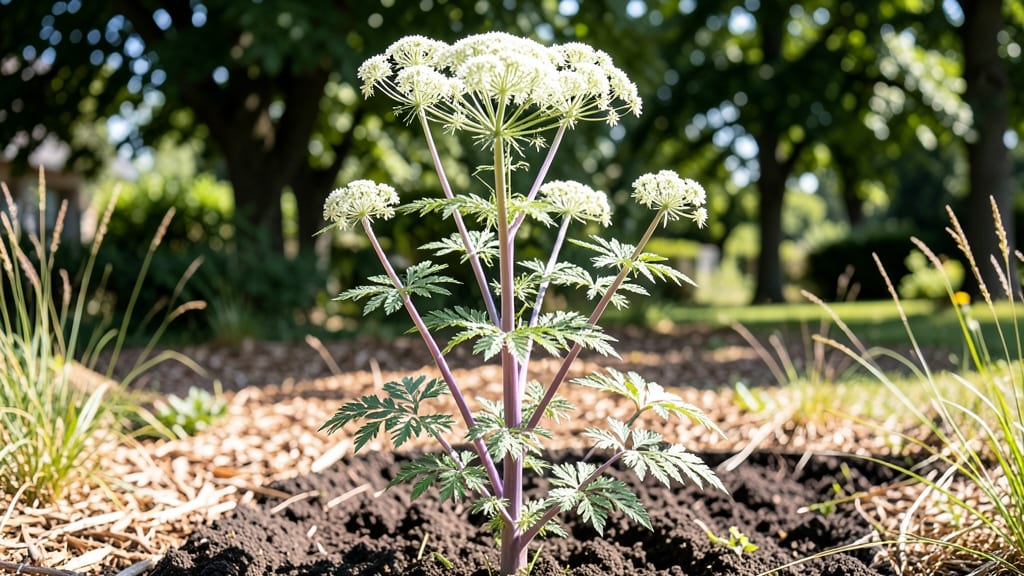
If you’ve ever wondered how tall does poison hemlock grow, the answer might shock you—this plant can shoot up to 14 feet in a single season, towering over you like a silent sentinel of danger. ⚠️ With its rapid growth and deadly reputation, poison hemlock isn’t just a nuisance; it’s a serious threat to gardens, pets, and even human safety.
Recognizing this plant early is critical because by the time it reaches its full height, it’s already a mature threat. The key to avoiding disaster lies in understanding its growth patterns and identifying it before it becomes unmanageable.
Whether you’re a gardener or just someone who enjoys outdoor spaces, knowing what to look for could save lives.
In this guide, I’ll break down exactly how fast poison hemlock grows, what it looks like at different stages, and why its height makes it so dangerous.
You’ll also learn how to spot it before it gets out of control and what steps to take if you encounter it on your property.
Don’t let curiosity turn into a risky situation—this is one plant you’ll want to identify and remove fast before it reaches its deadly potential. Let’s get started.

Poison hemlock height limits: how tall it grows & growth rate
Poison hemlock (Conium maculatum) is one of nature’s most alarming plants—not just because of its deadly toxicity, but because of how rapidly it grows.
In ideal conditions, this biennial plant can shoot up from a 2-foot sapling in its first year to a 10-foot-tall monster by its second spring. That’s taller than most garage doors and nearly as tall as a basketball hoop!
Understanding its height progression is critical because the taller it grows, the more dangerous it becomes. The plant’s toxic alkaloids concentrate as it matures, making mature specimens far more lethal than young ones. But how exactly does it reach these deadly proportions? Let’s break it down by growth stage.
Comparison Table: Poison Hemlock Height by Growth Stage
| Growth Stage | Height Range | Time to Reach | Common Comparison |
|---|---|---|---|
| Seedling (Year 1) | 2–4 feet | 3–4 months | Average adult human (5.5–6 ft) |
| Mature (Year 2) | 6–10 feet | 12–18 months | Telephone pole (8–10 ft) |
| Max Height (Year 2) | 10–14 feet | 18–24 months | Two-story building (12–14 ft) |
What’s shocking is how fast poison hemlock grows. In its second year, it can add 3–5 feet of height in just 3 months during spring and early summer. This explosive growth is fueled by its deep root system, which taps into moisture and nutrients far below the surface.
If you spot a 2-foot rosette in early spring, it could become a 10-foot-tall threat by midsummer.
The plant’s height isn’t just impressive—it’s a warning sign. The taller the hemlock, the higher the concentration of coniine, a neurotoxin that can be fatal to humans and livestock.
Even a 6-foot specimen contains enough poison to kill a child, while a 10-foot plant could be lethal to an adult. That’s why early identification is your best defense.
Poison hemlock thrives in disturbed soils, such as garden beds, roadside ditches, and abandoned lots. It prefers full sun to partial shade and moist, well-draining conditions—similar to what you’d find in a vegetable garden or near a water source.
If you’re dealing with invasive species or managing a wild area, its rapid growth means you’ll need to act quickly to prevent it from dominating the landscape.
One misconception is that poison hemlock only grows in wild, untamed areas. In reality, it can pop up in home gardens, especially if seeds are accidentally introduced via contaminated soil or water.
Its height alone makes it easy to overlook until it’s too late, so always inspect new plants and unfamiliar foliage before assuming it’s safe.
If you’re comparing it to other tall garden plants, poison hemlock dwarfs most ornamental grasses and even some small trees. While sunflowers might reach 8–10 feet, they’re annuals that don’t persist year after year like hemlock.
The plant’s woody stems and fern-like leaves give it a deceptive resemblance to harmless herbs, which is why so many people mistake it for something edible.
In my own garden, I’ve seen how aggressive this plant can be. A single plant I missed in a corner of the yard sent up dozens of seedlings the following spring, each one growing at an alarming rate.
Within a month, what started as a handful of sprouts became a wall of toxic greenery that blocked sunlight from reaching my prized tomatoes. That’s when I learned the hard way: height isn’t the only danger—it’s a symptom of how fast this plant can take over.
🌱 Remember, poison hemlock’s height is a double-edged sword: it makes it easier to spot from a distance, but also harder to remove once established.
If you suspect you’ve got this plant on your property, don’t wait until it’s 10 feet tall—act now to protect your garden and your family.
Poison hemlock height limits: how tall it grows & growth rate
Understanding poison hemlock height is the first step in recognizing its danger. This plant grows 5 to 14 feet tall under ideal conditions, often reaching maturity in just one growing season.
Its rapid growth makes it a stealthy invader, capable of outcompeting native plants before you even notice its presence.
In its first year, poison hemlock typically stands 2 to 4 feet tall, but by its second year, it can surge to 6 to 8 feet. By maturity, it often exceeds 10 feet, rivaling small trees or telephone poles.
This aggressive growth rate is what makes it so perilous—it can become a towering threat before you realize it’s there.
| Growth Stage | Height Range | Time to Reach | Comparison Object |
|---|---|---|---|
| Juvenile (Year 1) | 2–4 ft | Spring–Summer | Average door height |
| Early Mature (Year 2) | 6–8 ft | Late Summer | Basketball hoop |
| Mature (Year 3+) | 10–14 ft | Fall–Winter | Telephone pole |
The height of poison hemlock isn’t just about how tall it grows—it’s about how quickly it gets there. In optimal conditions, it can add 3 to 5 feet per year, making it one of the fastest-growing toxic plants in temperate climates.
This rapid ascent is why it’s often mistaken for harmless wildflowers until it’s too late.
Its height correlates directly with toxicity. The taller the plant, the more conium alkaloids it produces, which are the compounds responsible for its deadly effects.
Even a 2-foot juvenile contains enough toxins to harm pets or children, but mature plants can be 10 times more dangerous due to their size and alkaloid concentration.
If you’re comparing it to common objects, think of a garage door (6–8 feet) for early stages, a basketball hoop (10 feet) for mid-maturity, and a telephone pole (12–14 feet) for fully grown specimens.
This visual reference can help you spot it before it becomes an unmanageable hazard in your garden or yard.
Knowing these height milestones is crucial for early detection. The sooner you identify poison hemlock, the safer your property—and your loved ones—will be. If you suspect you’ve spotted it, act immediately to prevent it from reaching its deadly potential height.