
How To
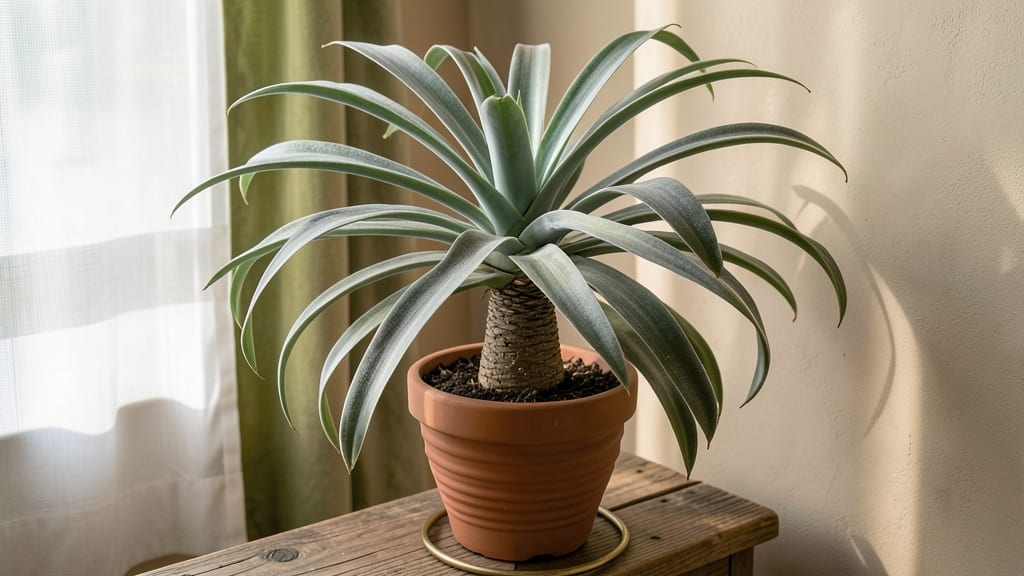
Wondering how tall does ponytail palm grow before it becomes a full-blown statement piece in your space? This striking 🌵 can transform from a quirky tabletop plant into a dramatic 12-foot indoor giant—or stay compact with the right care.
The difference between a 3-foot accent and a towering centerpiece often comes down to where you grow it and how you nurture it.
If you're dreaming of an outdoor ponytail palm that stretches toward the sky, you might be surprised by how much space it needs. In USDA Zone 6a, these plants thrive when planted in spring, reaching their full height of 6-12 feet over 5-10 years.
But indoors? That same plant could stay at a manageable 3-6 feet if you control its environment.
The key to managing its growth lies in understanding its needs—like sunlight, soil, and container size. Too much space? It’ll shoot up. Too little? It’ll stay stubby.
I’ll break down exactly how to guide its growth, whether you want a ponytail palm that fits your shelf or one that steals the show in your garden.
Ready to turn this versatile plant into your perfect size? Let’s dive into the factors that shape its height—and how you can steer it in the right direction.

Ponytail palm height growth chart: indoor vs outdoor dimensions
Understanding how tall a ponytail palm (Beaucarnea recurvata) grows is essential for planning your space. This drought-resistant beauty thrives in both indoor containers and outdoor gardens, but its mature size varies dramatically based on conditions.
In ideal settings, it can reach 10-12 feet tall with a 3-4 foot spread, while indoor plants often stay between 3-6 feet due to limited space and slower growth.
The key difference lies in growth rates: outdoor ponytail palms grow 2-3 times faster than their indoor counterparts. This is because they receive more sunlight, better air circulation, and have room to develop their iconic thick, water-storing trunk.
Whether you're choosing a small tabletop variety or planning for a towering garden specimen, knowing these dimensions helps you select the right location and care approach.
| Growth Condition | Mature Height | Mature Spread | Growth Rate (Annual) | Best For |
|---|---|---|---|---|
| Indoor (Container) | 3-6 feet | 2-3 feet | 6-12 inches | Living rooms, offices, sunrooms |
| Outdoor (Ground-Planted) | 6-12 feet | 3-5 feet | 12-24 inches | Garden borders, desert landscapes, patios |
| Outdoor (Large Container) | 4-8 feet | 2-4 feet | 8-16 inches | Balconies, courtyards, raised beds |
For indoor ponytail palms, container size plays a crucial role in height control. A 5-gallon pot will keep your plant at 3-4 feet tall, while a 15-gallon container may encourage growth up to 6 feet if given optimal care.
The plant's natural growth habit includes a thickened base that stores water, allowing it to survive drought conditions—this trait also contributes to its compact indoor form when space is limited.
Outdoor ponytail palms, on the other hand, develop their full desert-adapted stature when planted in well-draining soil with minimal competition from other plants.
In arid climates, they can grow 2 feet per year during their first decade, while in humid or shaded areas, growth may slow to just 6-8 inches annually. This makes climate a critical factor in predicting your plant's ultimate size.
If you're planning to grow a ponytail palm outdoors, consider its spread as well as height. The plant's fronds can extend 3-4 feet wide, so give it at least 5 feet of clearance on all sides to prevent overcrowding.
In containers, the spread will be more controlled, typically matching the diameter of the pot or slightly exceeding it.
One common misconception is that ponytail palms grow taller than actual palms. While they share a similar name, they're actually succulents in the Asparagaceae family.
Their height potential makes them ideal for vertical gardening spaces, such as sunrooms, atriums, or greenhouse setups, where they can thrive without competing for ground space.
For those with limited vertical space, dwarf varieties or heavily pruned plants can stay under 3 feet tall. Pruning the top fronds encourages bushier growth, though it may slightly reduce the plant's overall height. Always use sterilized pruning shears to avoid introducing diseases to your ponytail palm.
Remember that young ponytail palms grow more slowly in their first few years. In indoor conditions, expect 6-12 inches of growth per year during the plant's first three years. Outdoor plants may show faster early growth, especially if planted in well-draining, sandy soil mimicking their native habitat.
To visualize your ponytail palm's potential size, imagine a small tree with a bulbous trunk. In maturity, it resembles a miniature Joshua tree or a bottle palm, making it a stunning focal point for modern or desert-themed gardens.
Whether you choose to grow it indoors or outdoors, understanding these height expectations will help you create the perfect environment for your plant to thrive.
Ponytail palm height growth chart: indoor vs outdoor dimensions
Understanding how tall your ponytail palm (Beaucarnea recurvata) will grow is essential for planning its placement. Indoors, this plant typically reaches 3 to 6 feet at maturity, while outdoors it can soar to 8 to 12 feet or even taller with ideal conditions.
The difference comes down to space, sunlight, and care routines—let’s break it down.
For indoor growth, ponytail palms grow slowly due to limited space and controlled environments. In a 10-gallon container, expect 3 to 5 feet over 5–10 years. However, if you provide a larger pot (20+ gallons), it may reach 6 feet or more with consistent care.
The key is balancing container size with root growth to avoid stunted development.
| Growth Condition | Height Range | Spread | Growth Rate |
|---|---|---|---|
| Indoor (Small Pot, 5–10 gallons) | 3–5 ft | 2–3 ft | Slow (1–2 ft per year) |
| Indoor (Large Pot, 20+ gallons) | 6–8 ft | 3–4 ft | Moderate (2–3 ft per year) |
| Outdoor (USDA Zones 9–11) | 8–12 ft | 4–6 ft | Fast (3–4 ft per year) |
| Outdoor (Container, 20+ gallons) | 6–10 ft | 3–5 ft | Moderate (2–3 ft per year) |
Outdoors, ponytail palms thrive in warm climates (USDA Zones 9–11), where they can grow 3–4 feet per year under optimal conditions. In full sun and well-draining soil, mature plants often exceed 10 feet, with some reaching 12+ feet in ideal settings.
Even in containers outdoors, they’ll grow taller than indoors but may need annual pruning to manage size.
If you’re growing your ponytail palm in a small apartment, focus on keeping it in a 5–10 gallon pot to control height. For larger spaces or gardens, larger containers or in-ground planting will encourage faster, taller growth.
Always ensure the pot has drainage holes to prevent root rot, which can stunt growth.
For first-year growth, expect 1–2 feet of height gain, while second-year plants may add 2–3 feet. By year three, growth slows slightly, but with proper care, your ponytail palm can continue climbing toward its mature height over a decade.
Monitor its progress and adjust care as needed to hit your desired size goals.
Remember, the spread of a ponytail palm is nearly as important as its height. A 6-foot-tall plant might have a 4-foot-wide base, so plan for both dimensions when choosing a spot. This balance ensures your plant stays stable and healthy as it grows.