
How To
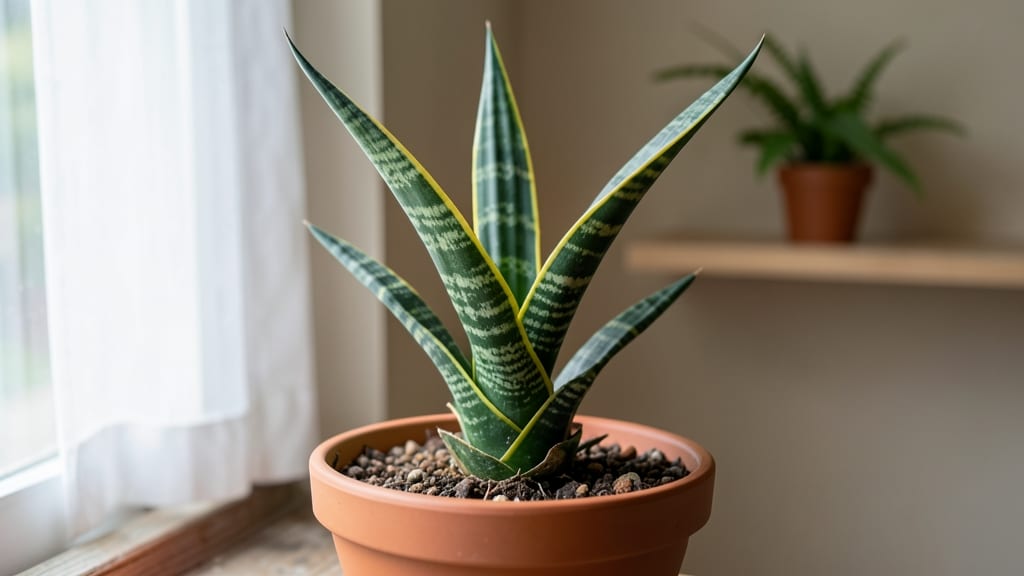
Wondering how tall does a sansevieria grow? The answer depends entirely on the variety—some stay compact and manageable, while others stretch into dramatic vertical statement pieces.
Whether you're looking for a dwarf cultivar to brighten a shelf or a towering giant to fill a corner, the right Sansevieria can transform your space. Mother-in-Law's Tongue—commonly known as Sansevieria—is one of the most versatile houseplants, but its height can vary wildly depending on the specific cultivar.
Whether you're dealing with a Sansevieria trifasciata that stays under 3 feet or a Sansevieria cylindrica that stretches toward the ceiling, understanding these differences is key to choosing the right plant for your space.
The right variety can turn a small apartment into a lush indoor jungle or keep your office greenery tidy and contained. Beyond variety, factors like light exposure, pot size, and even your pruning habits play a huge role in how tall your snake plant grows.
With the right care, you can encourage a compact growth habit or let it flourish into a striking vertical feature.
If you're debating whether to invest in a tall Sansevieria or stick with a petite version, this guide will help you make an informed decision based on your space and lifestyle. Ready to discover which Sansevieria varieties fit your home best?
We'll break down the height ranges, growth habits, and care tips so you can find the perfect match—whether you love the drama of a towering plant or the simplicity of a low-maintenance dwarf. Let’s dive in!

Sansevieria height by variety: from dwarf to towering giants
Your Sansevieria height depends entirely on the variety you’ve chosen. Some stay compact enough for a nightstand, while others grow tall enough to rival a small tree in your living room. Understanding these differences helps you pick the perfect snake plant for your space and aesthetic.
The most popular varieties range from 1 foot to over 10 feet at maturity. Dwarf types like 'Hahnii' (also called "bird’s nest") stay under 2 feet, making them ideal for small apartments or desk plants.
Meanwhile, giants like 'Futura Superba' can reach 8-10 feet, perfect for large rooms or even outdoor landscaping.
Here’s a quick look at how Sansevieria varieties compare in height and ideal placement:
| Variety | Mature Height | Ideal Placement |
|---|---|---|
| Sansevieria 'Hahnii' | 1–2 ft | Desks, shelves, small tables |
| Sansevieria 'Futura Superba' | 6–10 ft | Large rooms, corners, outdoor borders |
| Sansevieria 'Laurentii' | 2–4 ft | Entryways, sideboards, mid-height shelves |
| Sansevieria 'Moonshine' | 2–3 ft | Bathrooms, hallways, small offices |
| Sansevieria 'Zeylanica' | 3–5 ft | Living rooms, hallways, outdoor pots |
| Sansevieria 'Bantel’s Sensation' | 3–6 ft | Large rooms, corners, outdoor landscapes |
If you’re working with limited space, varieties like 'Hahnii' or 'Moonshine' are perfect for indoor decor. Their smaller stature makes them low-maintenance companions for small apartments or office setups.
For a dramatic statement, go for 'Futura Superba' or 'Bantel’s Sensation', which add vertical interest to any room.
Outdoor growers can also use taller varieties as privacy screens or border plants. Just ensure they’re planted in well-draining soil and receive bright indirect light to encourage healthy growth without legginess.
One common misconception is that all Sansevieria varieties grow tall over time. In reality, their genetic potential is set at purchase, though care factors like light exposure and pot size can influence how quickly they reach maturity.
For example, a 'Laurentii' in a sunny window may grow faster than one in a shady corner.
For indoor growers, height isn’t just about aesthetics—it’s also about air quality. Larger Sansevieria plants filter more toxins from the air, making them a powerhouse for clean air in large spaces.
If you’re using your snake plant for this purpose, aim for varieties that fit your room’s ceiling height while still leaving enough headspace for comfort.
Pro tip: If you love the look of a tall Sansevieria but have limited space, consider propagating cuttings from a larger plant. This way, you can grow your own compact varieties while enjoying the aesthetic appeal of a fuller, bushier plant.
🌱
Factors that influence Sansevieria growth height (and how to control it)
Your Sansevieria’s height isn’t set in stone—it’s shaped by a mix of genetics and care. The variety you choose is the biggest factor, but light exposure, pot size, and even temperature play critical roles.
For example, a Sansevieria 'Futura Superba' will naturally dwarf a 'Hahnii' if given identical conditions, but both can grow taller or shorter based on your environment.
One of the most surprising influences is light levels. While snake plants thrive in low light, they grow taller and leggier when stretched for sunlight. Placing your plant near a south-facing window can trigger rapid vertical growth, while bright indirect light (like an east-facing window) keeps it compact.
If you notice long, thin leaves, it’s a sign your plant is reaching for more light.
Key Factors Controlling Sansevieria Height
- Genetics: Variety determines max height (e.g., 'Hahnii' tops at 12", 'Laurentii' reaches 3-4 ft).
- Light: Low light = bushier growth; direct sun = taller, thinner leaves.
- Pot Size: Root-bound plants grow faster but may become top-heavy.
- Watering: Overwatering can stunt growth; underwatering slows it.
- Pruning: Regular trims encourage denser, shorter regrowth.
Pot size is another underestimated factor. Snake plants grow faster when root-bound, but this can lead to top-heavy instability, especially in taller varieties like 'Moonshine'.
If your plant is leaning or falling over, it’s time to repot into a wider container (not just deeper) to stabilize its base. A good rule: Choose a pot 2-3 inches wider than the plant’s current root ball.
Temperature also plays a subtle but important role. Sansevierias grow slowest in cooler climates (USDA zones 9-11) and faster in warm zones (like zone 10+).
If you’re growing indoors, keep your home between 60-85°F—cooler temps in winter can pause growth entirely, while consistent warmth encourages steady upward expansion. A heat mat under pots in winter can boost growth if you want faster (but controlled) height increases.
Finally, pruning habits directly impact height. Unlike many plants, Sansevierias don’t grow from the top—new leaves emerge from the base. Trimming the longest leaves encourages the plant to focus energy on shorter, bushier regrowth.
For varieties prone to tall, spindly growth (like 'Golden Hahnii'), pruning every 6-12 months keeps them manageable. Just avoid cutting more than 1/3 of the leaf at once to prevent shock.
By tweaking these factors, you can guide your Sansevieria’s height—whether you want a bushy tabletop plant or a statement-piece tower. Start with the right variety for your space, then adjust light, pot size, and pruning to keep it at your ideal height.
The key is consistency: small changes over time yield the best results without stressing the plant.