
How To
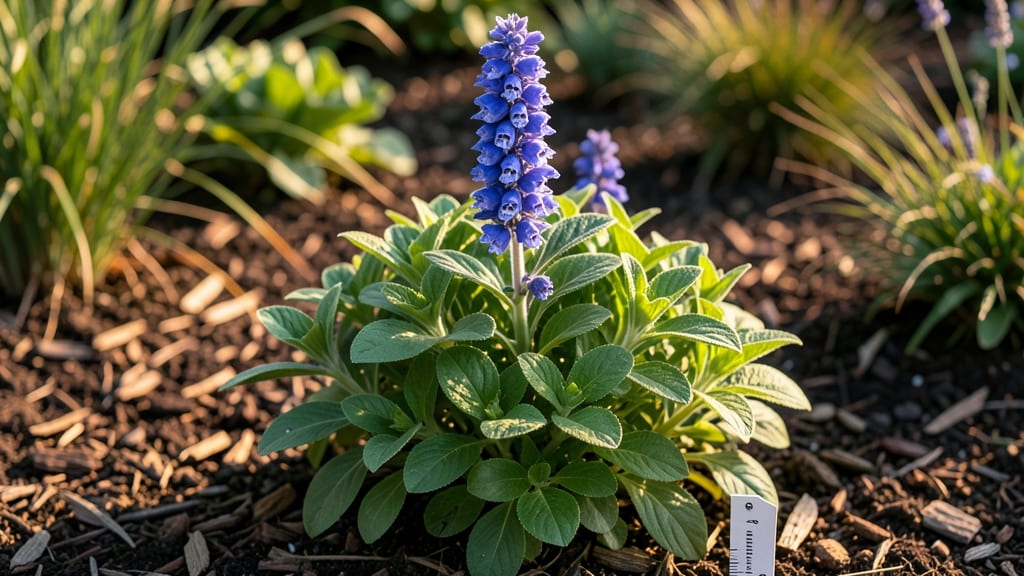
Wondering how tall does skullcap grow in your garden? This versatile 🌸 plant can be both a space-saving border gem or a lush, sprawling perennial—it all depends on the variety you choose.
Whether you're planning a cozy herb garden or a wildflower meadow, knowing these height ranges will help you design with confidence.
Skullcap varieties span a surprising range, from compact 1-foot dwarf types like Scutellaria galericulata to towering 3-foot shrub-like forms such as Scutellaria suffrutescens.
The difference comes down to genetics, sunlight exposure, and how you prune—so your planting location in USDA Zone 6a matters just as much as the seed packet's label.
What's most exciting? You can easily control skullcap's height with simple techniques like strategic pruning or companion planting. Need a low-growing option for containers? Or a taller backdrop for your spring blooms? I'll show you exactly how to get the perfect size for your space—without sacrificing those beautiful blue-purple flowers.
Let's dive into the specifics so you can pick the perfect skullcap for your garden's layout, whether you're working with tight borders or open meadows. Your spring planting just got a whole lot easier!

Skullcap height by variety: dwarf vs. tall growth habits explained
Skullcap (Scutellaria spp.) offers a fascinating range of heights, from ground-hugging dwarf varieties to tall, upright shrubs. Understanding these differences helps you choose the perfect fit for your garden design—whether you need a low-border plant or a back-of-the-bed statement.
Most skullcap varieties fall between 6 inches and 3 feet tall, but their growth habits vary widely based on species and growing conditions.
For example, Scutellaria galericulata (common skullcap) typically stays between 12 and 18 inches tall, making it ideal for rock gardens or edging. On the other hand, Scutellaria suffrutescens (shrubby skullcap) can reach 2 to 3 feet, thriving as a mid-height perennial in mixed borders.
Even within the same species, factors like sunlight, soil, and pruning can influence height by 20-30%.
Here’s a quick breakdown of how to match skullcap varieties to your space needs:
| Variety | Mature Height | Growth Habit | Best For |
|---|---|---|---|
| Scutellaria galericulata | 12–18" | Upright, clumping | Rock gardens, borders, containers |
| Scutellaria lateriflora | 18–24" | Semi-sprawling, bushy | Wildflower meadows, cottage gardens |
| Scutellaria suffrutescens | 2–3 ft | Shrubby, woody base | Back of borders, perennial beds |
| Scutellaria baicalensis | 1–2 ft | Compact, rounded | Medicinal gardens, low hedges |
Note: Heights can vary by climate and pruning.
If you’re growing skullcap for medicinal purposes, Scutellaria lateriflora (blue skullcap) is often preferred due to its moderate height and abundant flowering. However, its 18–24-inch stature means it needs more space than dwarf varieties.
For container gardening, stick to Scutellaria galericulata or Scutellaria baicalensis, which thrive in 5–7 gallon pots without outgrowing their space.
Sunlight plays a key role in height regulation. While most skullcap varieties tolerate partial shade, those grown in full sun often reach their maximum height faster.
Conversely, shadier conditions can result in 10–15% shorter plants with denser foliage. This is especially useful if you’re using skullcap as a groundcover in shaded areas.
Another factor to consider is soil fertility. Rich, well-draining soil encourages taller growth, while poor or rocky soil may stunt skullcap to half its expected height.
For example, Scutellaria suffrutescens might only reach 18 inches in nutrient-poor soil but 3 feet in amended garden beds. Always test your soil before planting to avoid surprises!
For first-year growth, expect skullcap to establish slowly. Most varieties grow only 6–12 inches in their first season, with rapid vertical growth starting in year two. This makes it easier to predict mature height if you’re planning a long-term garden layout.
For instance, if you plant Scutellaria lateriflora in spring, it’ll likely hit 18 inches by mid-summer of year two.
Pro tip: If you’re unsure about height, start with a mix of dwarf and medium varieties. This creates visual interest while giving you flexibility to adjust spacing later. For example, pair Scutellaria galericulata (12–18") with Scutellaria lateriflora* (18–24") in a tiered border for a dynamic look.
Finally, remember that pruning can drastically alter height. Regular trimming encourages bushier, shorter growth, while minimal pruning allows plants to reach their full potential. We’ll cover pruning strategies in detail in the next section, but for now, keep this in mind when selecting varieties for your garden!
Proper spacing and planting rules for skullcap by height
Choosing the right spacing for your skullcap plants is just as important as selecting the variety. Overcrowding can lead to poor airflow, increasing the risk of fungal diseases like powdery mildew.
Meanwhile, too much space may leave your garden looking sparse. The key is matching your skullcap height to its mature size and growth habits.
For dwarf varieties like Scutellaria galericulata, aim for 8-12 inches apart in rows spaced 12-18 inches apart. These compact plants thrive in tight clusters, making them perfect for rock gardens or edging borders.
Their small stature also makes them ideal for container gardening with 3-4 plants per 12-inch pot.
Medium-height varieties such as Scutellaria lateriflora need slightly more room to spread horizontally. Space these 12-18 inches apart with rows 24 inches apart to allow for their sprawling growth habit.
This spacing works well for mixed borders or pollinator gardens, where they can share space with other medium-height perennials.
| Variety | Mature Height | Spacing (inches) | Best Uses |
|---|---|---|---|
| Scutellaria galericulata | 6-12" | 8-12" apart | Rock gardens, containers, borders |
| Scutellaria lateriflora | 12-24" | 12-18" apart | Pollinator gardens, mixed borders |
| Scutellaria suffrutescens | 24-36" | 18-24" apart | Back of borders, woodland gardens |
Tall varieties like Scutellaria suffrutescens reach 2-3 feet tall and require 18-24 inches of spacing between plants. These varieties work best at the back of borders or in woodland gardens, where their height can be showcased without overshadowing smaller plants.
If growing in containers, opt for 15-18 inch pots to accommodate their root systems.
When planting, dig holes twice as wide as the root ball but only as deep as the container. This encourages root expansion without burying the crown too deeply. Amend the soil with compost to improve drainage, especially for taller varieties that can become top-heavy in heavy clay soils.
Mulch around the base with 2-3 inches of organic mulch to retain moisture and suppress weeds.
For container gardening, mix one part potting soil with one part perlite to ensure excellent drainage. Dwarf varieties can share containers with succulents or sedums, while taller varieties pair well with fern varieties or hostas that appreciate similar shade conditions.
Always include drainage holes to prevent root rot, a common issue with skullcap.