
How To
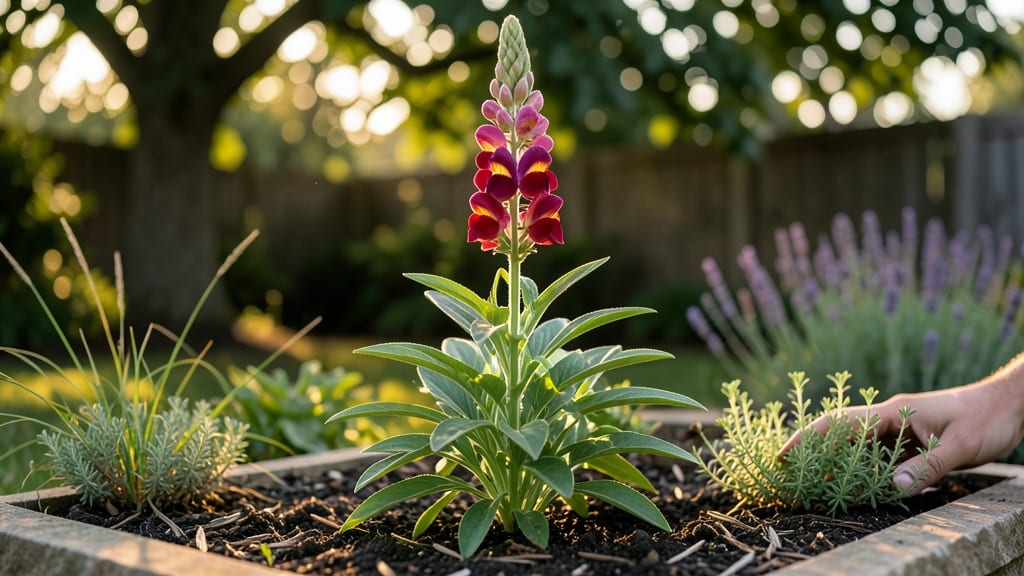
If you're wondering how tall does snapdragons grow, the answer might surprise you—these 🌸 beauties can stretch from tiny tabletop heights to towering garden sentinels, depending on the variety you choose.
Whether you're planning a cozy container garden or a dramatic border, knowing their potential size is key to creating a showstopping display without overcrowding your space.
Dwarf snapdragons stay compact at just 8-18 inches, making them perfect for window boxes and small pots, while standard varieties reach 2-4 feet—ideal for adding vertical interest to flowerbeds.
But here's the twist: some giant snapdragons can soar up to 4 feet or more, requiring extra support to prevent flopping in wind or rain.
What you'll discover in this guide is how to match the right snapdragon height to your garden's needs, from spacing tips to support strategies for those tall varieties.
We'll also cover how sunlight, soil, and variety play into their growth—so you can grow snapdragons that thrive and impress all season long.
Ready to transform your garden with these versatile flowers? Let's break down the exact height ranges and planting secrets to help you choose—and grow—the perfect snapdragons for your space.

Snapdragon height ranges by variety: dwarf to giant types explained
When planning your garden, snapdragon height can make or break your design. These charming flowers come in four distinct height categories, each suited for different garden spaces. Dwarf varieties (8–18 inches) are perfect for borders or containers, while giant types (3–4 feet) command attention in the back of beds.
Understanding these ranges helps you avoid crowding and maximize your floral display.
I’ve grown snapdragons for years, and the biggest mistake I see is planting tall varieties too close together. This leads to flopping stems and poor airflow—both of which invite disease.
The key is matching the variety to your space and support needs. Let’s break down the exact height ranges and what each type brings to your garden.
| Variety Type | Height Range | Best For | Spacing Needs |
|---|---|---|---|
| Dwarf | 8–18 inches | Containers, window boxes, edging | 6–9 inches apart |
| Semi-Dwarf | 18–24 inches | Front of borders, mixed containers | 9–12 inches apart |
| Standard | 24–36 inches | Mid-border planting, cut flowers | 12–18 inches apart |
| Giant | 36–48 inches | Back of beds, trellises, focal points | 18–24 inches apart |
For example, the 'Tiny Rubies' dwarf variety stays under 12 inches, making it ideal for hanging baskets or window boxes. On the other hand, 'Black Prince' giants can reach 4 feet tall and need sturdy support.
I once planted a row of giants without staking, and by summer, they were leaning like drunken gardeners—hardly the dramatic effect I wanted!
Another factor influencing height is sunlight exposure. Snapdragons thrive in full sun (6+ hours daily), but even well-placed varieties may grow 10–15% shorter in partial shade. If you’re in a USDA Zone 6a (like me), aim for south-facing beds to encourage maximum height and blooms.
Poor sunlight can stunt growth, leaving you with leggy, sparse stems.
Soil quality also plays a role. Well-draining, slightly alkaline soil (pH 6.7–7.4) helps snapdragons reach their full potential. I’ve seen standard varieties grow 20% taller when amended with compost compared to poor soil.
A quick soil test before planting can save you from disappointment—trust me, nothing’s worse than watching your snapdragons struggle to stand upright.
Color also subtly affects height. Dark-colored varieties (like deep reds or purples) often grow slightly taller than light pastels (such as whites or pale yellows). This isn’t a hard rule, but it’s worth noting when selecting seeds.
For instance, 'Apple Blossom' (a pastel mix) typically stays in the 24–30 inch range, while 'Hot Pink' can stretch closer to 36 inches.
If you’re growing snapdragons for cut flowers, taller varieties are your best bet. Standard and giant types produce longer, sturdier stems, perfect for bouquets. I’ve harvested 3-foot stems from well-supported giants, which last 10–14 days in a vase.
For containers, stick to dwarf or semi-dwarf varieties—they’re less likely to topple and spill over edges.
Pro tip: Pinch back young plants to encourage bushier growth and prevent them from becoming too tall too quickly. I do this when seedlings reach 6 inches, snipping just above a set of leaves.
This trick works wonders for standard varieties, keeping them compact while boosting flower production. It’s a game-changer for small gardens where space is limited.
Finally, remember that first-year growth is often slower than subsequent years. A standard variety might only reach 2 feet in its first season but can hit 3–4 feet by year two. Plan accordingly, especially if you’re using snapdragons as privacy screens or backdrop plants. Patience pays off—literally!
Proper spacing and planting tips for snapdragons by height
Choosing the right spacing for your snapdragons isn’t just about aesthetics—it directly impacts their growth potential, airflow, and disease resistance. Overcrowding can stunt growth, while too much space wastes garden real estate.
The key is matching your variety’s mature height to its ideal spacing requirements, whether you’re planting in containers, borders, or rows.
For dwarf varieties (8–18 inches), aim for 6–9 inches between plants. This gives them room to bush out without competing for nutrients.
In containers, plant 3–4 dwarf snapdragons per 12-inch pot to create a lush, cascading display. Semi-dwarf types (18–24 inches) need 9–12 inches of space to avoid leggy stems and poor flowering.
- Dwarf (8–18 in): 6–9 in apart | Ideal for containers, borders
- Semi-Dwarf (18–24 in): 9–12 in apart | Perfect for window boxes, small beds
- Standard (24–36 in): 12–18 in apart | Best in rows or mixed borders
- Tall (36–48 in): 18–24 in apart | Needs sturdy support; plant near trellises
- Giant (48+ in): 24–36 in apart | Reserve for large gardens or vertical gardens
When planting in rows, maintain 18–24 inches between plants for standard varieties (24–36 inches tall). This spacing ensures they receive adequate sunlight and circulation to prevent fungal diseases like powdery mildew.
For tall varieties (36–48 inches), increase spacing to 24 inches and consider planting them near trellises or stakes to guide their growth upward.
In containers, prioritize drainage and depth. Tall varieties need at least 12-inch-deep pots to support their root systems. Mix 3–5 snapdragons per container, spacing them 6–12 inches apart depending on their height.
Use lightweight potting mix to prevent root rot, and water consistently—containers dry out faster than in-ground beds.
Proper spacing also affects companion planting. Pair dwarf snapdragons with low-growing annuals like alyssum or sweet alyssum to fill gaps. Tall varieties thrive near sunflowers or hollyhocks, which provide natural support. Avoid planting snapdragons next to aggressive spreaders like mint or creeping thyme, which can choke their roots.
One common mistake is over-planting for color. While dense displays look impressive, they often lead to leggy stems and fewer blooms. Instead, focus on even spacing and thinning seedlings to 1–2 inches apart when they’re 2–3 inches tall. This encourages bushier growth and stronger stems.
Finally, adjust spacing based on your garden’s sunlight. In partial shade, snapdragons may grow slightly taller but need closer spacing (6–9 inches) to compensate for slower growth. In full sun, stick to the recommended distances to avoid heat stress.
With the right spacing, your snapdragons will reward you with vibrant blooms and neat, healthy growth all season long. 🌿