
How To
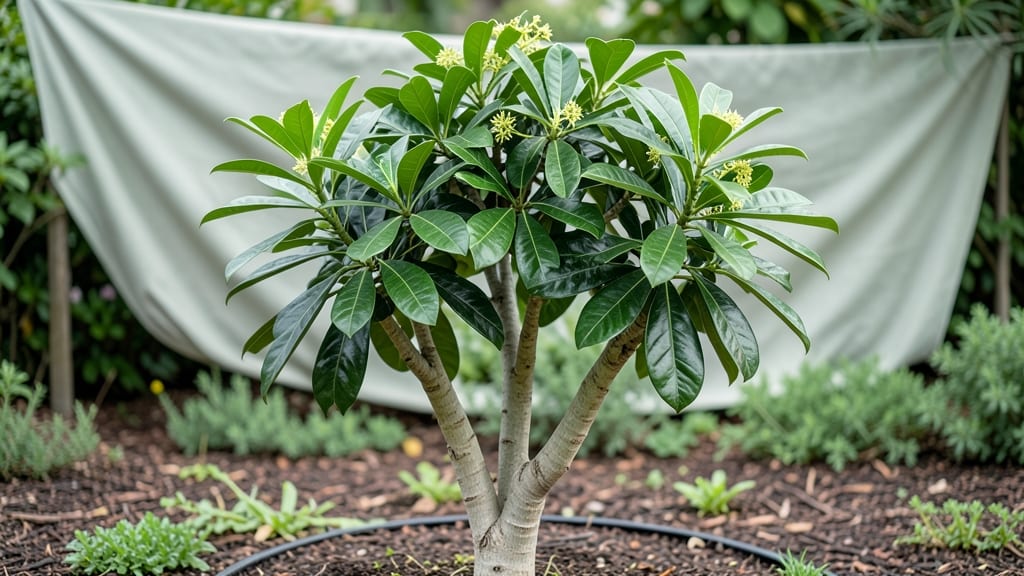
Wondering how tall your Money Tree 🌱 could grow if you left it completely untouched?
The answer might surprise you—some indoor plants can reach heights of 10 feet or more without proper care, but with the right techniques, you can keep it at a manageable size while still enjoying its lush, lucky appeal.
As a general indoor plant, the Money Tree (Pachira aquatica) thrives in homes but can become a vertical challenge if you don’t guide its growth.
Whether you prefer a compact 3-foot statement piece or a towering 6-foot centerpiece, understanding its natural growth habits is the key to controlling its height effortlessly.
In this guide, I’ll break down everything you need to know—from its natural growth patterns to the best pruning practices and environmental factors that influence its size. You’ll discover how to slow down rapid growth, encourage bushiness, and keep your Money Tree at your ideal height for years to come.
Ready to transform your plant care routine? Let’s dive into the secrets of managing your Money Tree’s height so it stays as stunning as it is manageable.

Natural money tree growth height: what to expect without pruning
Your money tree (Pachira aquatica) is a tropical stunner that thrives indoors, but its natural height can surprise new plant parents. Without pruning, this plant typically reaches 3 to 10 feet tall over 3–5 years, depending on growing conditions.
In ideal settings, it can grow 1–2 feet per year, making it a fast vertical climber if left unchecked.
Indoors, most money trees stay between 6 and 8 feet when grown in standard 10–12 inch pots. However, if you provide bright indirect light and consistent moisture, some varieties—like the braided money tree—can stretch toward 10 feet or more in spacious homes with high ceilings.
Outdoor cultivation in USDA Zones 10–11 allows money trees to grow even taller, sometimes reaching 15–20 feet in tropical climates. But since most of us grow them indoors, we’ll focus on controlling their height to fit our living spaces.
The light conditions in your home play a huge role in your money tree’s height. Placing it near an east or north-facing window provides the ideal 4–6 hours of bright indirect light daily, promoting balanced growth.
Too little light causes leggy growth (long, weak stems), while too much direct sun can scorch the leaves, stunting overall development.
Pot size also affects height—root-bound plants grow faster vertically as they compete for space. Upgrading to a 1–2 inch larger pot every 2–3 years helps maintain a compact, bushier shape while supporting steady growth. Always use a pot with drainage holes to prevent root rot, which can slow height progression.
Humidity levels matter too! Money trees thrive in 40–60% humidity, mimicking their tropical origins. Low humidity causes slower growth and can make the plant stretch toward light sources, increasing height. Use a pebble tray or humidifier near your plant to keep it happy and encourage healthy, proportional growth.
Seasonal growth patterns also influence height. During spring and summer, your money tree will grow most rapidly, adding 6–12 inches per season if conditions are ideal. In fall and winter, growth slows significantly, with some varieties entering a dormant phase where height increases by just 1–2 inches.
If you’re growing a braided money tree, expect slightly slower vertical growth compared to standard varieties. The braiding process requires careful training, which can temporarily limit height gains by 10–20% in the first year. However, once established, braided money trees follow the same height trajectories as their non-braided counterparts.
Remember, the natural height of your money tree is just a starting point. With the right care, you can encourage bushier growth or control its height to fit your space—more on that in the next section! 🌿
Pruning techniques to control money tree height and encourage bushiness
Your money tree’s height isn’t set in stone—pruning is the secret weapon to shape it into a compact, bushy beauty. With the right techniques, you can keep it at 3–6 feet indoors or even encourage a multi-stemmed look for that "braided" aesthetic. The key is timing and precision.
Start with pinching young stems when they’re 4–6 inches tall. Simply use your fingers or clean pruners to snip just above a leaf node. This triggers branching, creating a fuller plant instead of a single towering trunk. Repeat every 2–3 months for continuous bushiness.
For taller trees, cut back leggy stems by 1/3 their length in early spring. Always prune just above a leaf node to encourage new growth from there. Avoid cutting into woody stems—focus on softer, green growth for the best results.
Step-by-Step Pruning Guide
- 🌱 Step 1: Wait until spring or early summer when new growth is active.
- ✂️ Step 2: Sterilize pruners with rubbing alcohol to prevent disease.
- 📏 Step 3: Measure stems—cut back 1/3 of leggy growth or pinch young stems at 4–6 inches.
- 🌿 Step 4: Always cut just above a leaf node (the bump where leaves grow).
- 💧 Step 5: Water lightly after pruning to reduce stress on the plant.
- 🌱 Step 6: Place pruned cuttings in water to propagate new plants!
Pro tip: If your money tree develops a single thick trunk, you can air-layer it to encourage multiple stems. Wrap a damp sphagnum moss ball around a high branch, cover with plastic, and secure with tape.
Roots will form in 4–6 weeks, and you can cut below the rooted section to create a bushy base.
Remember, pruning stimulates growth, so don’t overdo it. Limit cuts to 25% of the plant’s foliage at a time, and avoid heavy pruning in fall or winter when growth slows. With consistent care, your money tree will stay lush and manageable—no jungle required!
🌿