
How To
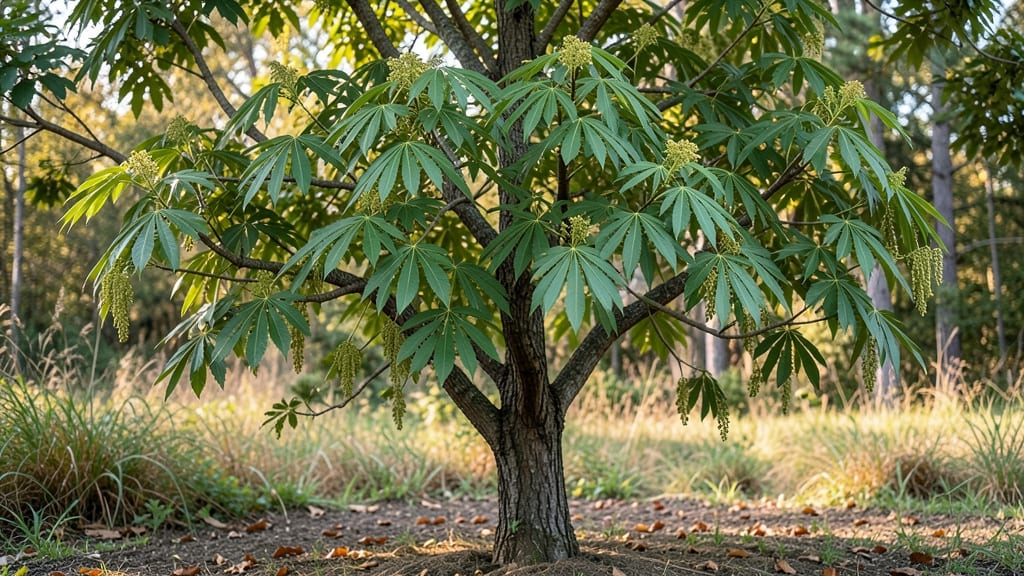
If you’ve ever wondered how tall does Tree of Heaven grow, you’re not alone—this fast-growing tree can shoot up faster than you can say "invasive."
With its towering presence and rapid growth rate, it’s no surprise gardeners and urban planners alike are curious about its potential height, which can vary dramatically depending on where you live.
The Tree of Heaven 🌳 isn’t just a fast grower—it’s a giant in the making.
In ideal conditions, especially in warmer climates like the South, it can reach heights of 60 to 80 feet, while in cooler regions like Zone 6a, it typically maxes out around 40 to 50 feet.
That’s a big difference, and it all comes down to sunlight, soil, and how much space it has to stretch.
But here’s the catch: its rapid growth comes with a trade-off. Whether you’re considering it for shade or worried about its spread, understanding how quickly it grows—and how tall it can get—is key.
I’ll break down the numbers by region, so you can decide if this tree is the right fit for your yard or landscape.
Let’s dive into the details: from annual growth spurts to regional variations, you’ll learn exactly what to expect when planting a Tree of Heaven—and how to manage it before it outgrows your expectations.

Tree of Heaven height by region: growth rates and mature sizes
The Tree of Heaven (Ailanthus altissima) can reach staggering heights depending on its environment. In ideal conditions—like USDA zones 7-9—it often tops out between 50–80 feet, while in cooler zones (4-6), expect 30–50 feet at maturity.
This dramatic variation makes it a fascinating study in how climate shapes growth.
Southern states like Texas, Florida, and Georgia provide perfect conditions for this tree, where it thrives with longer growing seasons and rich, well-drained soil. Meanwhile, in Northern states like New York or Pennsylvania, growth slows due to shorter summers, resulting in shorter but still impressive specimens.
Soil quality plays a critical role too. Tree of Heaven prefers sandy loam or clay soil but can tolerate poor conditions. In urban areas with compacted soil, its roots may struggle, limiting height to 40–60 feet.
Here’s how its height compares across regions, including growth rates and mature sizes:
| Region | USDA Zone | Mature Height (ft) | Annual Growth (ft) | Key Factors |
|---|---|---|---|---|
| Southern U.S. (TX, FL, GA) | 7-10 | 50–80 ft | 3–5 ft | Warm climate, long growing season |
| Midwest (IL, OH, IN) | 5-6 | 40–60 ft | 2–4 ft | Moderate climate, shorter summers |
| Northeast (NY, PA, MA) | 4-6 | 30–50 ft | 1–3 ft | Cooler climate, shorter growing season |
| Urban Areas (Compacted Soil) | Varies | 40–60 ft | 2–4 ft | Limited root space, stress |
If you’re planting a Tree of Heaven in your yard, consider its future height and how it will impact nearby structures. In small urban gardens, its rapid growth can quickly outpace available space, while in rural or suburban settings, it may reach its full potential.
For gardeners in cooler climates, expect slower growth but still impressive results. Pruning young trees can help manage their height, though this tree naturally grows fast and tall when left unchecked.
One critical note: Tree of Heaven is considered invasive in many regions. Its aggressive root system and prolific seed production can outcompete native plants. Always check local regulations before planting.
Whether you’re drawn to its fast growth or wary of its invasive tendencies, understanding its height potential helps you plan accordingly. With the right conditions, it can become a stunning shade tree—but without proper management, it may become a nuisance.
For those in warmer zones, embrace its towering stature as a natural shade provider, while Northern gardeners may prefer to keep it smaller with regular pruning. Either way, its height is a testament to nature’s adaptability.
🌳
Tree of Heaven height by region: growth rates and mature sizes
The Tree of Heaven (Ailanthus altissima) is a powerhouse of growth, but its mature height depends heavily on your USDA hardiness zone and local climate.
In warmer southern regions (Zones 7–9), expect heights of 50–80 feet, while in cooler northern zones (Zones 4–6), it typically maxes out around 30–50 feet. This variation makes it a flexible choice for gardeners—but also a potential space hog if unmanaged.
Southern climates with longer growing seasons and richer soils fuel its rapid ascent. For example, in Florida or Texas, these trees can reach 70+ feet within 15–20 years, while in New England or the Midwest, growth slows slightly, rarely exceeding 40–50 feet.
Even small differences in soil drainage or water availability can shift these numbers by 10–20 feet.
| Region | USDA Zone | Mature Height | Growth Rate (Annual) |
|---|---|---|---|
| Southeast (FL, GA, AL) | 7–9 | 60–80 ft | 4–6 ft/year |
| Midwest (IL, IN, OH) | 5–6 | 40–55 ft | 3–5 ft/year |
| Northeast (NY, PA, MA) | 4–6 | 30–50 ft | 2–4 ft/year |
| Pacific Northwest (WA, OR) | 6–8 | 45–60 ft | 3–5 ft/year |
Urban environments can also stunt growth due to compacted soil and limited root space. In cities like Chicago or Boston, where sidewalks and foundations restrict roots, mature trees often stay under 40 feet.
Conversely, in rural or forested areas, they can grow 20% taller thanks to unrestricted root expansion and natural sunlight.
If you're planting near power lines or neighboring structures, consider its canopy spread (30–50 feet). A 50-foot tree with a 40-foot spread can easily overwhelm a quarter-acre lot.
Always measure your space and prune aggressively if height control is a priority—though this tree’s aggressive regrowth makes pruning a year-round task.
For gardeners in drought-prone areas, water stress can limit height by 10–15 feet. In Texas or Arizona, where summer temperatures exceed 100°F, growth slows dramatically without deep, infrequent watering. Mulching with wood chips helps retain moisture and encourages faster height gains in these conditions.
Before planting, check local invasive species laws—some states regulate or restrict Tree of Heaven due to its aggressive root system and seed dispersal. In California or Washington, it’s banned in certain counties, so verify regulations to avoid fines or removal orders.