
How To
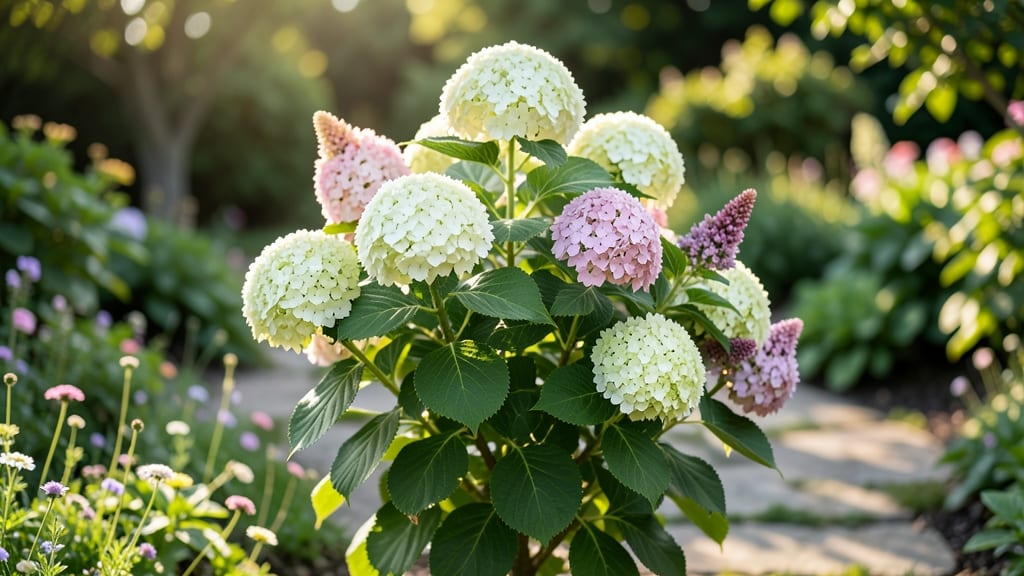
Wondering how tall hydrangea trees grow before you commit to planting one? The answer might surprise you—some varieties stretch toward the sky like natural skyscrapers, while others stay modestly proportioned. If you're envisioning a lush, 6- to 12-foot statement piece for your yard, you're in the right place.
Hydrangea trees aren't just one-size-fits-all; their height depends entirely on the species. The towering Hydrangea paniculata can reach 10–12 feet with the right care, while the more compact Hydrangea arborescens typically maxes out around 5–8 feet.
Whether you're planning a privacy screen or a focal point, knowing these differences is the key to picking the perfect fit for your space.
But here's the twist: pruning can dramatically alter their growth trajectory. A little strategic trimming can keep a 12-foot giant in check or encourage a smaller variety to reach its full potential.
I'll break down exactly how to manage their height—so you can get the hydrangea tree of your dreams without sacrificing your lawn's real estate.
Ready to discover which varieties thrive in your climate and how to nurture them for maximum height (or keep them compact)? Let's dive into the details so you can make an informed choice that'll have your neighbors green with envy.

Hydrangea tree height by species: exact mature sizes and growth rates
When planning your garden, knowing hydrangea tree height by species is essential for placement and care. These stunning plants range from compact shrubs to towering trees, with some varieties reaching 20 feet or more.
Understanding their growth patterns helps you choose the perfect hydrangea for your space, whether you want a privacy screen or a focal point in your landscape.
Hydrangeas grow at different rates depending on the species. Some varieties, like Hydrangea paniculata, can grow 3-5 feet per year under ideal conditions, while others like Hydrangea arborescens grow more slowly, reaching maturity in 5-7 years.
Let's explore the exact heights and growth habits of the most popular hydrangea tree species to help you make an informed decision.
Below is a detailed breakdown of hydrangea tree height by species, including their mature sizes and typical growth rates. This information will help you visualize how these plants will look in your garden over time and plan accordingly for spacing and maintenance.
If you're planning for a privacy screen or a tall garden focal point, Hydrangea paniculata is an excellent choice due to its rapid growth and impressive height.
Varieties like 'Limelight' or 'Little Lime' can reach 10-20 feet in just a few years, making them perfect for creating a lush, green barrier.
For smaller gardens or container planting, Hydrangea arborescens or Hydrangea macrophylla are ideal because they stay compact, typically reaching 3-6 feet. These varieties are also easier to maintain and prune, making them great for beginners or urban gardens with limited space.
The Oakleaf Hydrangea (Hydrangea quercifolia) is a fantastic mid-sized option, offering both beauty and practicality. With a mature height of 6-12 feet, it provides a balanced addition to medium-sized yards. Plus, its stunning fall foliage adds a seasonal splash of color that other hydrangeas can't match.
For a unique and dramatic look, consider the Climbing Hydrangea (Hydrangea petiolaris). While it can grow 20-30 feet when trained on a trellis or wall, it’s not a standalone tree. This variety is perfect if you want to add vertical interest to your garden without taking up ground space.
When selecting a hydrangea tree, consider not only its mature height but also its growth rate and maintenance needs. Fast-growing varieties like Hydrangea paniculata require more frequent pruning to control their size, while slower-growing types like Hydrangea arborescens need less upkeep but take longer to reach their full potential.
Always check your local climate and soil conditions, as these can influence how tall your hydrangea tree grows. In USDA zones 6-9, most hydrangeas thrive, but varieties like Hydrangea paniculata may grow even faster in warmer climates.
With the right care, you can enjoy a stunning hydrangea tree that fits perfectly in your garden!
How pruning affects hydrangea tree height: best practices by type
Pruning your hydrangea tree isn’t just about shaping—it’s the key to controlling its height growth. The wrong cuts can send your 10-foot beauty shooting up to 15 feet in a season, while proper pruning keeps it at your desired compact size.
Different hydrangea types respond uniquely to pruning, so understanding their growth habits is essential.
For panicle hydrangeas like 'Limelight' or 'Little Lime', late winter pruning encourages taller growth and more abundant blooms. These varieties thrive when you cut back old wood by up to one-third each year.
Meanwhile, oakleaf hydrangeas bloom on current season’s growth, so aggressive pruning in winter can stunt their height potential.
⚠️ CALLOUT WARNING ⚠️
- ✂️ Cutting too late: Pruning after June removes next year’s blooms and sends energy to vertical growth.
- 🌱 Over-pruning young trees: Removing more than 25% of growth stresses plants, causing sprout explosions.
- 🌿 Ignoring dead wood: Letting dying branches stay diverts nutrients to uncontrolled height.
- 🪴 Using dull tools: Jagged cuts slow healing, making plants more susceptible to disease and height spurts.
Pro tip: Always use clean, sharp pruners and make cuts at a 45-degree angle just above a bud or leaf node.
Timing matters more than you might think. Panicle hydrangeas should be pruned in late winter or early spring before new growth begins, while oakleaf varieties can handle light pruning even in early summer without sacrificing next year’s blooms.
If you want to keep your hydrangea under 8 feet, prune new growth by 1/3 in June—this signals the plant to branch out wider instead of shooting upward.
For smooth hydrangeas (like 'Annabelle'), prune right after flowering to encourage bushier growth and prevent leggy, tall stems. These varieties naturally grow 6-10 feet, but regular pruning keeps them 3-5 feet shorter.
The secret? Focus on removing the oldest stems at the base while leaving younger, vigorous growth to take over.
Don’t forget about horizontal layering—a technique where you gently bend and pin down low branches to encourage rooting and bushier growth. This works wonders for hydrangea trees that tend to grow too tall and leggy.
By summer’s end, these layered branches can be severed from the parent plant and transplanted, giving you multiple smaller plants instead of one towering tree.
If your hydrangea tree has already outgrown your space, don’t panic. Structural pruning in winter can reduce height by up to 50% over two seasons. Start by identifying the central leader (the main upward-growing stem) and cut it back by half.
Then, remove competing vertical branches to redirect energy to horizontal growth. With patience, your 12-foot monster can become a manageable 6-foot specimen.