
How To
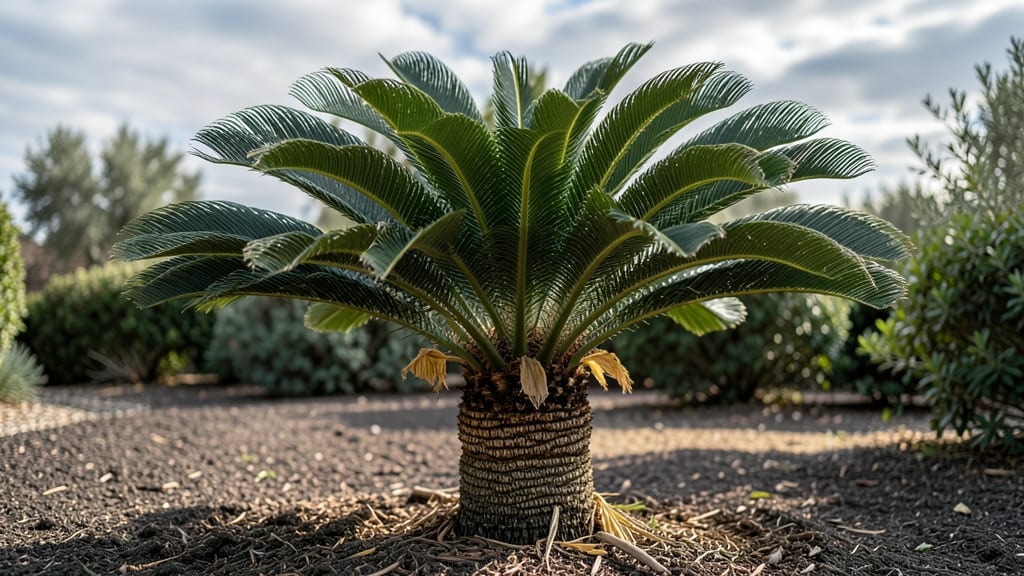
If you’re considering adding a sago palm 🌴 to your landscape, one of your first questions should be: how tall do these striking plants actually grow?
Unlike true palms, sago palms are cycads—hardy, slow-growing plants that can reach heights of 6 to 12 feet under ideal conditions, making them perfect for both small yards and bold focal points.
Their growth rate might surprise you—most sago palms take 10 to 15 years to reach maturity, but with the right care, you’ll see steady progress year after year.
Whether you’re in USDA Zone 8-11 or using containers, understanding their height potential helps you plan where to plant them for maximum impact.
In this guide, I’ll break down exactly how tall different varieties grow, what affects their size, and how to keep them thriving—so you can choose the perfect spot for your sago palm 🌴 without any guesswork. Let’s get started!
From drought tolerance to sunlight needs, we’ll cover everything you need to know to ensure your sago palm grows to its full, stunning potential. Ready to transform your outdoor space?

Sago palm height by variety: exact growth ranges and mature sizes
The sago palm (Cycas revoluta) is often mistaken for a true palm, but it’s actually a cycad with a striking, tropical appearance. One of the first questions gardeners ask is, "how tall do sago palms grow?" The answer depends on the variety, growing conditions, and care.
Most mature sago palms reach 6 to 12 feet tall, but some rare varieties can exceed this range under ideal conditions.
Understanding the mature height of your sago palm is crucial for landscape planning. Whether you’re planting it as a focal point in your garden or using it as a border plant, knowing its potential size helps you avoid overcrowding or underutilizing space.
For example, a standard sago palm in a USDA Zone 9-11 garden will typically grow taller than one in a cooler Zone 8.
Here’s a quick breakdown of the most common sago palm varieties and their expected mature heights:
| Variety | Mature Height | Growth Rate | Notes |
|---|---|---|---|
| Cycas revoluta (Standard) | 6–12 ft | Slow to moderate | Most common variety; thrives in full sun. |
| Cycas taitungensis | 4–6 ft | Moderate | Dwarf variety; ideal for containers or small gardens. |
| Cycas rumphii | 8–15 ft | Slow | Less common; requires warm climates (Zones 9-11). |
| Cycas media | 3–5 ft | Slow | Compact; great for bonsai or small landscapes. |
The standard sago palm (Cycas revoluta) is the most widely grown variety in the U.S., often reaching 10 feet tall in ideal conditions. However, its growth rate slows significantly after the first 5 years, making it a long-term investment for your landscape.
If you’re working with limited space, consider Cycas taitungensis or Cycas media, which stay under 6 feet and are perfect for containers or small gardens.
Factors like sunlight exposure, soil drainage, and watering habits can influence how tall your sago palm grows. For example, a sago palm in full sun with well-draining soil will grow faster and taller than one planted in partial shade or clay-heavy soil.
Always plant in a location where it has room to spread its fronds, which can reach 3 to 5 feet wide.
If you’re planting multiple sago palms, space them 8 to 10 feet apart to allow for mature growth. This prevents competition for nutrients and ensures each plant has enough room to develop its full height and width.
Overcrowding can stunt growth and increase the risk of pests or diseases.
One common misconception is that sago palms grow quickly like true palms. In reality, they grow at a slow to moderate pace, adding only 1 to 2 feet per year in their early years.
Patience is key—it can take 10 years or more for a sago palm to reach its mature height. This makes them an excellent choice for gardeners who want a low-maintenance, long-lived plant.
For container gardening, choose a dwarf variety or keep a standard sago palm in a large pot (at least 2 feet in diameter). Even then, expect slower growth compared to in-ground planting.
Always use a well-draining potting mix to prevent root rot, which can stunt growth and reduce overall height.
Before planting, check your local USDA hardiness zone. Sago palms thrive in Zones 8-11 and may struggle in colder climates. In Zone 8, they might grow more slowly or stay shorter due to cooler temperatures.
If you live in a colder area, consider growing your sago palm in a container and bringing it indoors during winter.
In summary, the height of a sago palm depends on the variety, growing conditions, and care. With the right placement and maintenance, your sago palm can become a stunning, tropical-looking focal point in your garden for decades to come. 🌴
How fast do sago palms grow? Timeline from seed to mature height
If you’ve planted a sago palm and are curious about its growth speed, you’re not alone! These cycads grow at a steady but moderate pace, meaning patience is key.
On average, a sago palm takes 10-15 years to reach its mature height of 6-12 feet, but this timeline can shift based on care and climate. In ideal conditions—like full sun and well-draining soil—you might see faster growth, while cooler or shaded spots slow it down.
The first few years are the slowest, with young plants gaining only 1-2 feet per year. This gradual start is why many gardeners start with a 3-5 year-old sago palm from a nursery to skip the waiting game.
Even then, expect 6-12 inches of growth annually once established. For example, a 5-foot-tall sago palm at age 5 could reach 8-10 feet by age 15 with proper care.
🌱
Growth: 1-2 ft total, 1-3 inches per year. Focus on gentle watering and protection from frost.
Growth: 3-5 ft, 6-12 inches per year. Begin light fertilizing in spring and summer.
Growth: 6-12 ft, 4-8 inches per year. Prune dead fronds and monitor for pests like scale insects.
Growth: Minimal height gain, focuses on foliage density. Reduce fertilizing to once every 6-8 weeks.
📌 Pro Tip: Sago palms grow 2x faster in USDA Zone 9-11 than in cooler Zone 8.
Several factors influence your sago palm’s growth rate. Sunlight is the biggest accelerator—6+ hours of direct sun per day can add 2-3 extra inches annually. Meanwhile, overwatering or poor drainage can stunt growth by causing root rot.
Even in less-than-ideal conditions, sago palms are resilient, but they’ll never rush to their full height. For instance, a potted sago palm in a 15-gallon container grows 30-50% slower than one planted in the ground.
To encourage faster growth, focus on these three key actions: first, amend soil with compost to improve drainage; second, fertilize lightly in spring with a low-nitrogen (6-6-6) blend; and third, protect young plants from frost by mulching heavily in winter.
Avoid the temptation to over-fertilize, as sago palms prefer modest nutrition over heavy feeding. With the right balance, you’ll see noticeable height gains within 3-5 years.
🌿
One common misconception is that sago palms grow as fast as true palms. In reality, they’re cycads, not palms, and their growth is far more deliberate.
True palms like date palms can grow 3-5 feet per year, while sago palms max out at 12 inches annually in ideal conditions. This slower growth is part of their charm—they’re low-maintenance survivors that add tropical flair without the upkeep.
If you’re planning your landscape around height, factor in this decade-long journey to full maturity for the most realistic expectations.
✂️