
How To
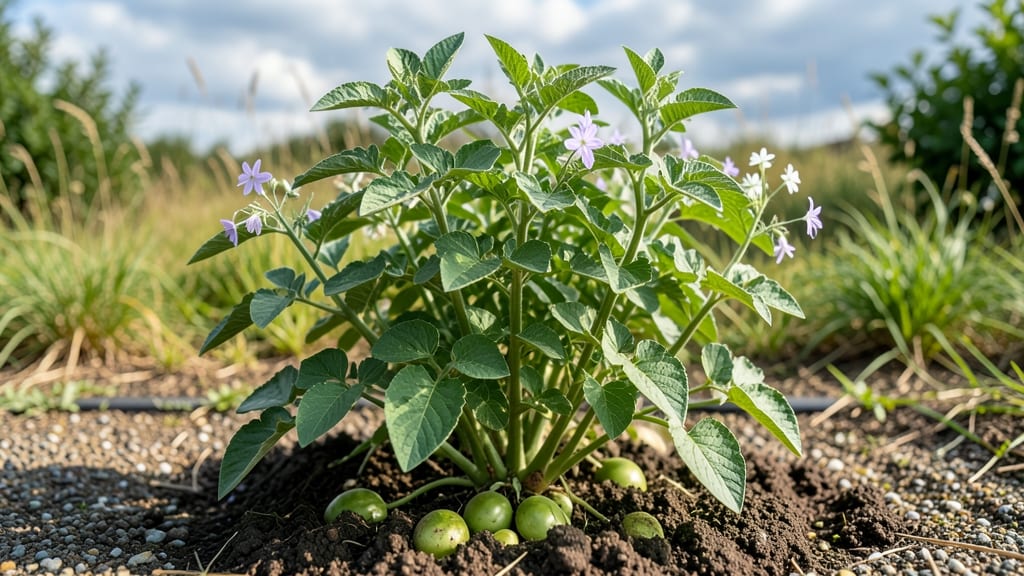
If your 🥔 plants are stretching toward the sky like they’re reaching for the clouds—or barely poking above the soil—you’re probably wondering: how tall should potato plants grow before they’re ready to harvest?
The answer isn’t one-size-fits-all, but getting it right means the difference between a bountiful harvest and a disappointing yield.
Most home gardeners expect their potato plants to grow between 12 and 36 inches, but the truth is, variety plays a huge role. Russets might tower at 3 feet, while fingerlings stay compact around 12 inches.
Ignoring these differences can lead to overcrowded tubers or wasted space in your garden.
What if your plants are growing too fast—or too slow? The right height isn’t just about aesthetics; it’s about timing. Overly tall plants risk disease, while stunted growth could mean poor tuber development.
I’ll break down the ideal heights for common varieties and share simple tricks to keep them healthy and productive.
Ready to optimize your harvest? Let’s dive into the science behind potato plant height—and how you can adjust care to get the most out of your crop, no matter the variety.

Potato plant height by variety: when to harvest for best yield
Potatoes are fascinating plants—their height can tell you exactly when to harvest for the best flavor and yield. Most varieties grow between 12 to 36 inches, but some dwarf types stay under a foot tall, while others can reach nearly waist-high.
Understanding your potato variety’s growth habits helps you time harvests perfectly and avoid missing out on a bumper crop.
The ideal height depends on the variety, but tuber formation begins when plants reach 12–18 inches. This is when you’ll start seeing new potatoes forming underground.
If you wait too long, the tubers may become overgrown or develop hollow heart—a condition where the center of the potato turns mushy. Timing is everything!
Early-season varieties like 'Yukon Gold' or 'Red Norland' typically mature in 60–90 days and grow 18–24 inches tall. These are great for quick harvests and small gardens. Meanwhile, late-season varieties like 'Russet Burbank' or 'Kennebec' can grow 24–36 inches and take 90–120 days to mature, producing larger tubers.
Here’s the key: Harvest early-season potatoes when foliage yellows, but don’t rush late-season varieties—they need time to bulk up. Ignoring height cues can lead to small, stunted tubers or even wasted effort if the plants bolt (flower prematurely) due to stress.
🌱
| Variety | Mature Height | Days to Maturity | Best For | Harvest Height Cue |
|---|---|---|---|---|
| Yukon Gold | 18–24" | 60–90 | New potatoes, baking | Foliage yellows at 20" |
| Red Norland | 18–24" | 70–90 | Salads, boiling | Flowers fade at 22" |
| Russet Burbank | 24–36" | 90–120 | Frying, storage | Foliage dies back at 30" |
| Fingerlings (e.g., 'Rocket') | 12–18" | 60–80 | Roasting, salads | Tubers form at 14" |
| Adirondack Blue | 20–28" | 80–100 | Unique flavor, storage | Flowers appear at 22" |
If your potato plants are growing taller than expected, it’s often a sign of excess nitrogen or poor sunlight. While tall plants can still produce tubers, they’re more prone to blight and lodging (falling over).
On the flip side, stunted growth under 12 inches usually means cool soil, pests, or drought stress. Both extremes can reduce your harvest.
Pro tip: Hilling soil around the stems every 2–3 weeks encourages deeper tuber formation and supports upright growth. This technique works for all varieties but is especially critical for tall, late-season potatoes like Russets, which need sturdy stems to hold up their weight.
🌿
Don’t assume all potatoes follow the same growth pattern. Fingerling varieties stay compact, making them ideal for containers or small gardens, while standard Russets can reach 3 feet or more if given ideal conditions.
Pay attention to your plants’ growth rate and foliage color—these are your best clues for timing harvests and avoiding common mistakes.
For example, if your Yukon Golds hit 20 inches and the leaves start yellowing, it’s time to dig. But if your Russets are still lush at 30 inches, wait another 2–3 weeks for full maturity.
The difference in height and timing can mean the difference between small, mealy potatoes and large, flavorful tubers.
✂️
Why your potato plants might be too tall (or too short) and how to fix it
Potato plants that grow taller than 3 feet or shorter than 12 inches often signal underlying issues. While some varieties naturally reach towering heights, abnormal growth usually points to environmental stress or care mistakes. Understanding these causes helps you adjust your approach before yield suffers.
If your plants are too tall, they may be reaching for sunlight due to shade stress or overcrowding. Tall, leggy plants also occur when you over-fertilize with nitrogen, promoting leafy growth at the expense of tuber development.
Conversely, stunted growth often results from poor soil quality, underwatering, or pest damage like Colorado potato beetles.
🚨 WARNING: Ignoring height issues can lead to reduced harvests or even plant death. For example, overwatered potatoes develop weak stems that snap under their own weight, while drought-stressed plants produce tiny, misshapen tubers. Let’s diagnose and fix these problems before your crop suffers.
For tall, leggy plants, prune the top 1/3 of the foliage to redirect energy to tuber formation. Focus on removing yellowed or diseased leaves first, as these drain resources.
If your plants are too short, check soil moisture—potatoes need 1-2 inches of water weekly—and consider adding compost or aged manure to improve soil structure.
Another fix for overgrowth is hilling, where you mound soil around the stems every 2-3 weeks. This encourages deeper tuber formation and prevents stems from toppling. For stunted plants, transplant them to a sunnier location and fertilize lightly with phosphorus-rich compost to boost root growth.
Remember, variety matters. Fingerling potatoes naturally stay 12-18 inches tall, while Russets can reach 3 feet or more. If your plants exceed their expected height range, reassess your care routine. The goal isn’t just bigger plants—it’s healthier, higher-yielding crops.
Start with these adjustments, and your potato plants will soon reach their ideal height—no skyscrapers or stumps in sight! 🌱