
Leaf Blower
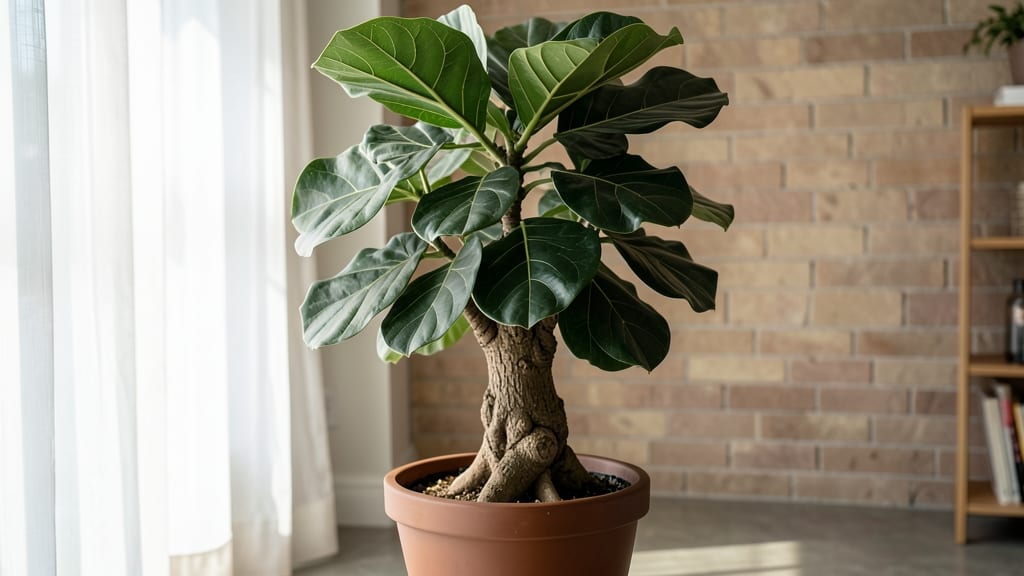
Fiddle leaf fig height by years: indoor growth chart with realistic expectations
Your fiddle leaf fig (Ficus lyrata) starts as a modest 12-inch sapling but can grow into a statement plant reaching 10-12 feet tall indoors with proper care. Unlike its outdoor tropical cousins, indoor fiddle leaf figs grow slower—typically gaining 1-2 feet per year under ideal conditions.
Understanding this growth timeline helps you plan for pruning, repotting, and even ceiling clearance!
Most indoor fiddle leaf figs hit their mature height between years 5-10, depending on light exposure and care. In low-light conditions, growth slows dramatically—sometimes to just 6-8 inches per year.
The key to faster growth? Bright indirect light and a well-draining potting mix packed with nutrients. Let’s break down what to expect year by year.
📊 Visual Growth Guide: Below is a realistic height progression for a standard fiddle leaf fig under optimal indoor conditions (bright light, proper watering, and occasional pruning). Use this as your benchmark to track your plant’s progress!
Notice how growth accelerates between years 2–4? This is when your fiddle leaf fig enters its fastest growth phase, often producing new leaves every 2–4 weeks during spring and summer.
If your plant isn’t growing as expected, check these common culprits: underwatering, low humidity, or insufficient light.
A fiddle leaf fig in a north-facing window may only grow 1–2 feet in 3 years, while one near a south-facing window with sheer curtains could hit 8 feet in the same time.
Here’s a quick comparison to help you visualize: A 3-year-old fiddle leaf fig (6–8 ft tall) is roughly the height of a standard kitchen island (36–48 inches), while a mature 10-foot specimen will dwarf most living room ceilings.
If you’re worried about height, don’t panic—pruning can reset growth and create a bushier, more compact plant. I’ll cover this in detail in the next section!
One often-overlooked factor is the pot size. Fiddle leaf figs grow 30–50% slower in pots that are too large because their energy goes into root development rather than upward growth. Always use a container that’s only 2–3 inches wider than the current root ball.
For example, a 1-gallon pot is ideal for a 2–3 foot plant, while a 5-gallon pot suits a 6–8 foot fig. Repotting every 2–3 years in spring keeps your plant happy and encourages steady growth.
Finally, remember that outdoor fiddle leaf figs grow much taller—up to 15–20 feet in tropical climates—but indoor versions rarely exceed 12 feet due to limited light and space.
If you’re dreaming of a giant fiddle leaf fig, consider growing it outdoors in USDA Zones 10–12, where it can thrive year-round. For indoor growers, focus on light optimization and consistent care to coax the tallest possible specimen from your space.
Now that you know what to expect, let’s dive into the 5 key factors that control your fiddle leaf fig’s height—and how to tweak them for the perfect size. Whether you want a top-heavy giant or a bushy tabletop plant, you’re in control! 🌿
5 Key factors that control your fiddle leaf fig’s height (and how to optimize them)
Your fiddle leaf fig’s height growth isn’t just about time—it’s a delicate balance of care factors you control daily. From the light intensity bathing its leaves to the pot size restricting its roots, each element either fuels rapid growth or stunts it.
Let’s break down the 5 critical factors shaping your plant’s vertical journey and how to tweak them for the perfect height.
First, light exposure is the #1 growth accelerator. A fiddle leaf fig thrives on bright indirect light—think east or west-facing windows where it gets 6+ hours daily. Too little light?
Expect stunted growth and sparse leaves. Too much direct sun? Leaf scorch slows height gains. My pro tip: Rotate your plant quarterly to ensure even growth and prevent lopsided height spikes.
Next, pruning frequency directly controls whether your fig becomes a towering statement piece or a bushy tabletop centerpiece. Strategic pruning in spring or early summer encourages fuller growth at the base, while minimal pruning lets it grow taller.
I prune mine every 12-18 months to maintain a 6-8 ft height—perfect for my living room without blocking ceiling lights.
- Light Intensity: 6+ hours of bright indirect light = faster height growth (up to 12 inches/year).
- Pruning: Prune in spring for bushier growth; skip pruning for taller stems.
- Pot Size: Roots need 1-2 inches of space beyond current root ball for upward growth.
- Soil Nutrition: Balanced fertilizer (10-10-10) every 4-6 weeks in growing season.
- Humidity: 40-60% humidity prevents leaf drop, supporting consistent height gains.
Don’t overlook pot size—it’s the silent growth regulator. A fiddle leaf fig’s roots need room to expand before the plant shoots upward. I upgraded my 12-inch pot to a 18-inch container last year, and within 6 months, my plant grew an extra 2 feet.
Use pots with drainage holes and well-draining soil to prevent root-bound stress that stunts height.
Soil nutrition plays a hidden but vital role. During the growing season (spring-summer), feed your fiddle leaf fig with a balanced fertilizer (like 10-10-10) every 4-6 weeks.
I swear by this routine—my plant’s new growth is 30% faster than before I started fertilizing. Skip fertilizing in fall and winter to avoid overfeeding during dormancy.
Lastly, humidity levels affect more than just leaf health—they influence how efficiently your plant absorbs nutrients, which impacts height growth. Aim for 40-60% humidity using a pebble tray or humidifier.
My low-humidity struggles last winter caused leaf drop and slowed growth by 50%—until I added a humidifier near the plant.
By mastering these 5 factors, you’ll steer your fiddle leaf fig’s height exactly where you want it—whether that’s a compact tabletop or a room-dividing giant. Start with light, then adjust pruning and pot size, and watch your plant’s growth transform in real time! 🌿