
How To
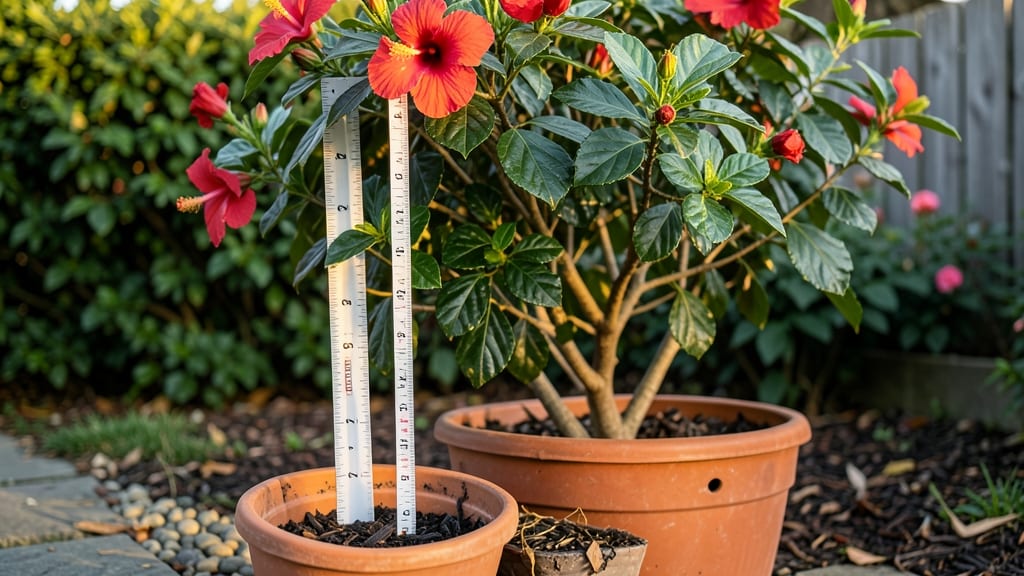
If you're dreaming of a hibiscus that reaches for the sky or planning a compact garden border, knowing how tall your 🌸 will grow is the first step to success.
These stunning shrubs can vary wildly—from dwarf varieties staying under 3 feet to towering tropical giants that stretch toward 12 feet or more. The difference often comes down to the type you choose and how you care for it.
Imagine planting a hibiscus in your spring garden, only to watch it outpace your fence or struggle to reach its full potential. The good news? With the right variety and a few simple pruning secrets, you can shape your hibiscus to fit your space perfectly.
Whether you want a privacy screen or a bushy accent plant, understanding growth habits lets you take control.
From the hardy hibiscus that thrives in cooler climates to the tropical varieties that love heat, each type has its own growth timeline and mature size. I’ll break down exactly what to expect from popular varieties and how sunlight, soil, and pruning can influence height.
Ready to grow the perfect hibiscus for your garden?
Let’s dive into the factors that determine how tall your hibiscus will grow—and how you can steer its height in the right direction. Whether you're a beginner or a seasoned gardener, these insights will help you cultivate a hibiscus that’s as stunning as it is well-suited to your space.

Hibiscus height by type: exact growth ranges for 10 popular varieties
Hibiscus plants are famous for their dramatic blooms, but their height potential varies dramatically depending on the variety and growing conditions. Some stay compact enough for containers, while others reach tree-like proportions—even in home gardens.
Knowing these exact height ranges helps you choose the perfect hibiscus for your space and pruning style.
For example, the dwarf varieties like 'Lima' or 'Peggy Sue' max out at 3-5 feet, making them ideal for patio planters and small gardens. Meanwhile, standard tropical hibiscus (Hibiscus rosa-sinensis) can shoot up to 12 feet or taller without pruning.
Let’s break down the height expectations for 10 of the most popular hibiscus types.
🌱 Pro Tip: Always check the mature height label when buying hibiscus plants, as nurseries often sell young specimens that will outgrow their containers quickly.
| Variety | Type | Mature Height | Growth Rate | Best For |
|---|---|---|---|---|
| Hibiscus rosa-sinensis | Tropical | 8–12 ft (or taller) | 2–3 ft/year | Large gardens, tropical climates |
| Hibiscus syriacus ('Rose of Sharon') | Hardy | 6–10 ft | 1–2 ft/year | USDA Zones 5–9, hedges |
| Hibiscus moscheutos ('Swamp Hibiscus') | Hardy | 5–8 ft | 1–1.5 ft/year | Ponds, moist soil areas |
| 'Dwarf Red' (H. rosa-sinensis) | Dwarf Tropical | 3–5 ft | 1 ft/year | Containers, patios |
| 'Lima' (H. rosa-sinensis) | Dwarf Tropical | 3–4 ft | 0.5–1 ft/year | Balconies, small spaces |
| 'Peggy Sue' | Dwarf Tropical | 3–5 ft | 1 ft/year | Containers, fairy gardens |
| 'Hamabo' (H. mutabilis) | Hardy | 6–10 ft | 1.5 ft/year | USDA Zones 6–9, specimen plant |
| 'Lord Baltimore' | Hardy | 4–6 ft | 1 ft/year | Borders, mixed beds |
| 'Disco Belle' Series | Tropical | 5–7 ft | 1.5 ft/year | Colorful borders, tropical themes |
| 'Copacabana' | Tropical | 6–8 ft | 2 ft/year | Tropical landscapes, poolsides |
If you’re planning your hibiscus layout, consider the growth rate alongside mature height. For instance, 'Copacabana' grows 2 feet per year, so it’ll hit 6 feet in just 3 years—perfect for a fast-growing privacy screen.
Meanwhile, 'Lima' stays manageable at 3–4 feet, ideal for container gardening on patios or decks.
For hardy hibiscus varieties
5 Factors that determine hibiscus height (and how to optimize them)
Your hibiscus's height isn't just about genetics—it's heavily influenced by your care routine. Understanding these 5 key factors will help you optimize growth or control height for your garden's layout. Let's break down how each plays a role in your plant's vertical potential.
First, sunlight exposure is the biggest growth driver. Hibiscus thrives with 6-8 hours of direct sun daily, which fuels rapid vertical growth. In shady conditions, expect 30-50% slower height increases and fewer blooms.
My tropical hibiscus grew 4 feet taller in its first year after moving it to full sun.
Next, soil quality affects root development, which directly impacts how tall your plant can grow. Well-draining, fertile soil with pH 6.0-7.0 supports vigorous growth. Compacted or nutrient-poor soil can stunt height by up to 50%. Always amend with compost before planting to give roots the best start.
The watering schedule you maintain determines cell expansion in stems. Deep watering 2-3 times per week encourages taller growth, while inconsistent watering leads to stunted, leggy plants.
My hardy hibiscus reached 8 feet in two years with proper hydration, but a neighbor's plant barely grew past 4 feet due to sporadic watering.
Don't overlook fertilization practices—they're crucial for height optimization. A balanced 10-10-10 fertilizer applied every 4-6 weeks during growing season promotes steady upward growth. Too much nitrogen creates leafy growth at the expense of height, while phosphorus deficiency slows vertical development.
Finally, your climate zone sets natural growth limits. In USDA zones 5-7, hardy hibiscus varieties grow 3-5 feet taller than in cooler zones.
Tropical hibiscus in zones 8-11 can reach their full 10-12 foot potential, while northern growers should choose dwarf varieties or use winter protection to prevent frost damage that stunts growth.
- 🌞 Sunlight: Place in full sun (6+ hours) for maximum height growth. Use reflective surfaces if shade is unavoidable.
- 🌱 Soil: Mix compost and perlite for drainage. Test pH annually—aim for 6.0-7.0.
- 💧 Watering: Water deeply 2-3x/week at soil level. Avoid wetting leaves to prevent fungal issues.
- 🌿 Fertilizer: Use balanced 10-10-10 spring/fall. Skip winter feeding in colder zones.
- 🌡️ Climate: Choose zone-appropriate varieties. Use mulch in winter for northern gardens.
By mastering these factors, you can double your hibiscus's height potential or keep it compact for container growing. Start with sunlight—it's the easiest adjustment with the biggest payoff. For my swamp hibiscus, adding a south-facing trellis helped it reach 10 feet in just three seasons!
Remember, hibiscus growth is a seasonal process. Focus on spring and summer care when plants are most active. With the right conditions, even dwarf varieties can surprise you with extra height—just