
How To
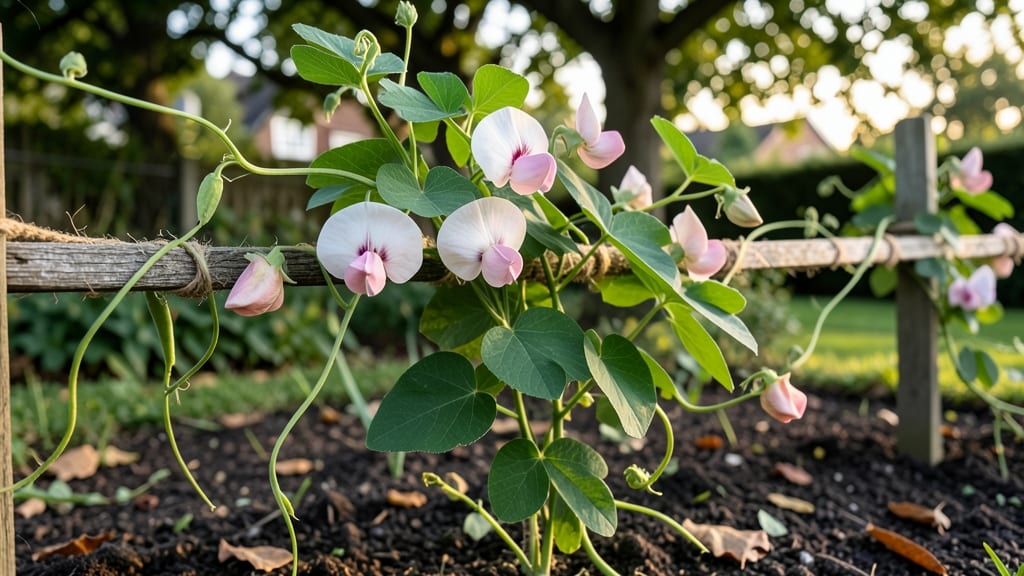
If you're dreaming of a garden that looks like it belongs in a storybook, how tall will sweet peas grow could be the game-changer you need. These fragrant climbers—especially the towering varieties—can transform a simple fence into a vertical masterpiece, reaching heights that’ll make your neighbors jealous.
But here’s the catch: not all sweet peas 🌸 are created equal. Some varieties stay compact, perfect for small spaces, while others stretch toward the sky like eager children reaching for a treat.
Knowing the exact height range for each type means you can pick the perfect spot and support to turn your garden into a lush, fragrant paradise.
Whether you’re working with a 6-foot trellis or a sprawling arbor, the right variety and care can make all the difference. I’ll break down the heights by type, share the best trellis tricks, and even show you how to coax those vines to grow taller than ever—without sacrificing blooms.
Ready to turn your garden into a vertical sweet pea wonderland? Let’s dive into the heights, supports, and secrets to growing these beauties to their fullest potential.

Sweet pea height by variety: from compact to sky-high climbers
Sweet peas are famous for their vertical growth, but not all varieties reach the same heights. Some stay compact enough for container gardens, while others need 10-foot trellises to support their weight. Understanding these differences helps you choose the perfect variety for your space and trellis system.
Most sweet peas fall into three height categories: dwarf (2–4 ft), semi-dwarf (4–6 ft), and standard/giant climbers (6–10 ft). The variety you pick will determine everything from trellis requirements to garden layout. Let’s break down the most popular types and their mature heights.
Here’s a quick reference for the most sought-after sweet pea varieties and their typical mature heights:
| Variety | Height Range | Growth Habit | Best For |
|---|---|---|---|
| Tom Thumb | 2–3 ft | Dwarf, bushy | Containers, small gardens |
| Cupani | 6–8 ft | Standard climber | Trellises, fences, vertical gardens |
| Blue Moon | 7–10 ft | Giant climber | Large trellises, arbors |
| Matucana | 4–6 ft | Semi-dwarf | Medium trellises, balconies |
| Painted Lady | 5–7 ft | Standard climber | Obelisks, pergolas |
| Dwarf Purple | 2–4 ft | Dwarf, trailing | Hanging baskets, window boxes |
If you’re growing sweet peas for cut flowers, taller varieties like Blue Moon or Cupani produce longer stems, making them ideal for bouquets. For small spaces, dwarf varieties like Tom Thumb or Dwarf Purple thrive in containers and don’t require trellises.
One common misconception is that all sweet peas need full sun to reach their maximum height. While sunlight is critical, soil fertility and water consistency also play huge roles. Well-drained, nutrient-rich soil can push a standard climber from 6 ft to 10 ft with proper care.
For first-year growth, expect sweet peas to reach about half their mature height. For example, a Blue Moon plant might only hit 3–4 ft in its first season but will surge to 7–10 ft in subsequent years if given the right conditions.
This makes them a fantastic long-term investment for garden verticals.
Pro tip: If you’re unsure about your garden’s wind exposure, opt for shorter varieties like Matucana or Painted Lady. Tall sweet peas can flop over in strong winds, especially if their trellis isn’t sturdy enough.
A 6-foot trellis is the minimum for varieties like Cupani, but 8–10 ft is ideal for heavy climbers.
Remember, sweet peas are annuals, so their height is determined by their growth cycle in a single season. With the right variety and care, you can turn even a small balcony into a fragrant, floral skyscraper—without needing a 10-foot garden.
Sweet pea height by variety: from compact to sky-high climbers
Sweet peas are versatile climbers with heights ranging from 2-foot dwarf varieties to 10-foot giants. The difference comes down to genetics—some are bred for compact gardens, while others are architectural showstoppers. Knowing these ranges helps you choose the perfect variety for your space and trellis.
Most sweet peas fall into three height categories: dwarf (2–4 ft), semi-dwarf (4–6 ft), and standard (6–10 ft). Dwarf varieties like 'Tom Thumb' are ideal for containers or small spaces, while 'Cupani' and 'Blue Moon' can reach 8–10 feet with proper support.
Even within categories, heights vary slightly by growing conditions.
| Variety | Height Range | Best For |
|---|---|---|
| 'Tom Thumb' | 2–3 ft | Containers, small gardens |
| 'Cupani' | 6–8 ft | Arbors, fences, tall trellises |
| 'Blue Moon' | 8–10 ft | Large trellises, pergolas |
| 'Dwarf Grey' | 3–4 ft | Window boxes, balconies |
| 'Spencer' | 5–7 ft | Medium trellises, obelisks |
If you're growing sweet peas for cut flowers or fragrance, taller varieties like 'Blue Moon' or 'Cupani' produce more blooms per vine. However, their weight requires sturdy trellises—a 6-foot vine can weigh 10+ pounds when fully blooming!
For small spaces, 'Tom Thumb' or 'Dwarf Grey' offer fragrant blooms without the height commitment.
Pro tip: Annual sweet peas (most varieties) reach their mature height in one growing season, while perennial types (like some heirloom varieties) may grow taller each year. Always check seed packets for specific variety notes—some "standard" types can exceed 10 feet in ideal conditions.
For maximum height, pair tall varieties with nutrient-rich soil and consistent morning watering. Avoid overcrowding—vines need 12–18 inches of spacing to reach their full potential. With the right support, your sweet peas could outclimb your tallest trellis!