
How To
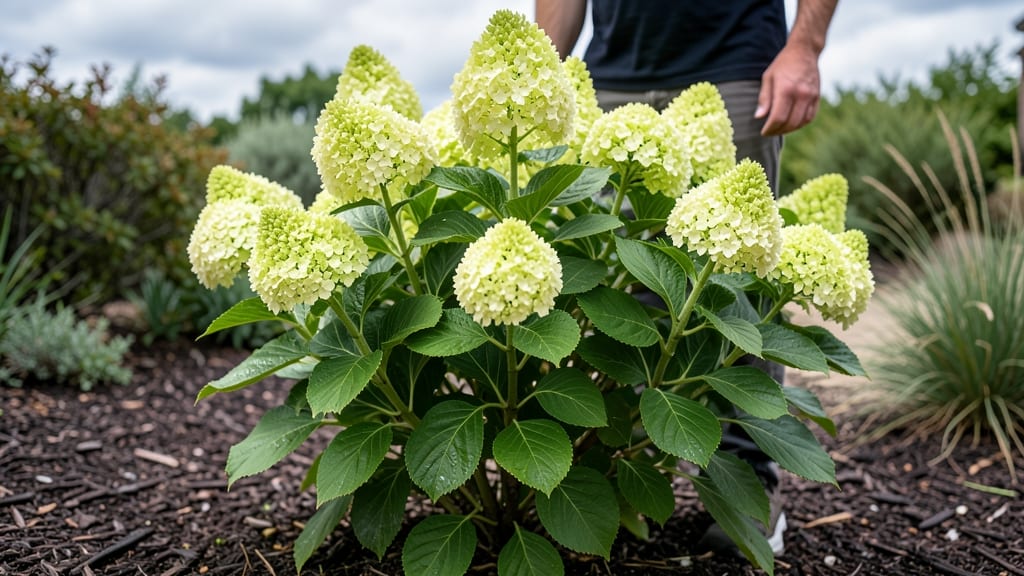
Wondering how tall hydrangeas can grow can turn a small garden into a lush paradise—or leave you with overgrown shrubs crowding your patio. If you’ve ever wondered whether that stunning 🌸 Hydrangea will stay compact or stretch skyward, the answer depends on the variety and a few key growing habits.
From dwarf varieties that stay under 3 feet to towering giants reaching 15 feet, hydrangeas offer options for every space. Whether you’re working with a cozy Zone 6a garden or a sprawling backyard, choosing the right type—and pruning it correctly—is the secret to happy, proportionate plants.
In this guide, I’ll break down the height ranges of popular hydrangeas, like the classic Hydrangea macrophylla (mophead) and the bold Hydrangea paniculata (panicle), plus how sunlight, soil, and pruning shape their growth. You’ll learn how to keep your shrubs in check without sacrificing those showstopping blooms.
Ready to pick the perfect hydrangea for your space? Let’s dive into the varieties, pruning rules, and sunlight secrets that will help you grow the ideal-sized shrub—no guesswork required.

Hydrangea heights by variety: compact to towering options
Hydrangeas are like the chameleons of the garden—their height can vary dramatically depending on the variety you choose. From dwarf varieties perfect for containers to towering shrubs that make bold statements, understanding these differences will help you plan your garden layout like a pro.
I’ve grown everything from miniature hydrangeas in pots to 10-foot giants as focal points, and the spacing rules I’ve learned will save you from overcrowded flower beds!
Most hydrangeas reach their mature height between 3 to 15 feet, but their growth habits differ wildly.
For example, the Hydrangea macrophylla (commonly called bigleaf or mophead hydrangea) typically grows 3 to 6 feet tall, while Hydrangea paniculata varieties like 'Limelight' can soar to 8 to 15 feet.
Even within the same species, dwarf cultivars stay under 3 feet, making them ideal for small spaces or window boxes.
Here’s where things get interesting: climbing hydrangeas like Hydrangea petiolaris can grow up to 30 feet tall when trained on trellises or walls, but they’re rare and need special care.
Meanwhile, oakleaf hydrangeas (Hydrangea quercifolia) strike a balance with 6 to 10 feet of height, offering both size and stunning fall foliage.
Knowing these ranges helps you avoid the mistake of planting a 6-foot shrub too close to your patio or a 15-foot giant where it’ll block sunlight for smaller plants.
Let’s break down the most popular hydrangea types by their mature height and ideal spacing. This summary table will give you a quick visual guide to help you pick the perfect variety for your garden’s layout and your personal style.
| Variety | Mature Height | Spacing Needs | Best For |
|---|---|---|---|
| Dwarf Mophead (e.g., 'Mini Penny') | 1–3 ft | 12–18 inches apart | Containers, window boxes, small gardens |
| Bigleaf (H. macrophylla) | 3–6 ft | 3–4 ft apart | Borders, foundation plantings, partial shade gardens |
| Panicle (e.g., 'Limelight', 'Little Lime') | 4–15 ft | 5–8 ft apart | Back of borders, focal points, full sun areas |
| Oakleaf (H. quercifolia) | 6–10 ft | 6–8 ft apart | Woodland gardens, shade trees, fall color displays |
| Smooth (H. arborescens) | 3–5 ft | 3–4 ft apart | Wildlife gardens, pollinator-friendly spaces, full sun |
| Climbing (H. petiolaris) | Up to 30 ft (with support) | Plant near trellis or wall | Vertical gardens, arbors, large walls |
The spacing needs are just as critical as height. For instance, planting a 6-foot oakleaf hydrangea only 3 feet from another shrub will lead to competition for nutrients and sunlight, stunting both plants. I’ve seen gardeners make this mistake and end up with leggy, weak stems and fewer blooms.
Pro tip: Always check the spacing recommendations on the plant tag or nursery label—it’s your roadmap to a thriving garden!
If you’re working with limited space, consider dwarf varieties or container gardening. For example, 'Endless Summer' hydrangeas (a type of bigleaf) stay compact at 3–4 feet and thrive in 15-gallon pots.
I’ve seen them brighten up patios and balconies with their vibrant blooms, proving that you don’t need a large yard to enjoy hydrangeas. Just ensure your container has drainage holes and use a high-quality potting mix to prevent root rot.
For larger gardens, panicle hydrangeas like 'Limelight' or 'Grandiflora' make stunning focal points. These varieties not only grow tall but also produce long-lasting blooms that add structure to your landscape.
I once planted a 'Limelight' near my mailbox, and it became a seasonal landmark—visitors always comment on its height and dramatic color changes from green to pink to white.
One final tip: Soil quality and sunlight exposure can influence height. Hydrangeas grown in rich, moist soil with partial shade tend to grow taller and bushier, while those in full sun or poor soil may stay shorter but still produce abundant flowers.
For example, smooth hydrangeas (H. arborescens) thrive in full sun and can reach their full height faster in ideal conditions.
Now that you know the height ranges, you’re ready to pick the perfect hydrangea for your space. Whether you’re dreaming of a romantic cottage garden with dwarf varieties or a dramatic backyard statement with towering panicle hydrangeas, the key is planning for their mature
Pruning rules to control Hydrangea height and bloom size
Pruning is your secret weapon for shaping hydrangeas to fit your garden’s vision—whether you want a compact bush or a towering statement plant. The key? Timing and technique vary by variety. For mophead and lacecap hydrangeas, prune after flowering to avoid cutting off next year’s blooms.
Meanwhile, panicle and oakleaf types bloom on new growth, so prune in late winter or early spring.
Start by removing dead or weak stems first—this opens airflow and reduces disease risk. Next, cut back overgrown branches to your desired height, aiming for a balanced shape.
For dwarf varieties, a light trim keeps them tidy, while tall varieties may need aggressive pruning to control their 6–15 ft reach. Always use clean, sharp pruners to make precise cuts just above a leaf node.
🌿
| Variety | Prune Time | Height Goal | Tools Needed |
|---|---|---|---|
| Mophead (H. macrophylla) | After flowering (late summer) | 3–6 ft (dwarf) or 6–10 ft (standard) | Bypass pruners, gloves |
| Panicle (H. paniculata) | Late winter/early spring | 4–12 ft (aggressive pruning) | Loppers, hand pruners |
| Oakleaf (H. quercifolia) | Late winter (before buds swell) | 5–8 ft (natural shape) | Pruning saw (for thick stems) |
| Smooth (H. arborescens) | Early spring or after blooms | 3–5 ft (compact) or 6+ ft (standard) | Garden shears, sterilizer |
For climbing hydrangeas, prune lightly to encourage upward growth, while container-grown varieties benefit from regular trimming to prevent root-bound stress. Always sterilize tools between cuts to prevent bacterial spread.
After pruning, apply a balanced fertilizer to support new growth—this is especially critical for panicle hydrangeas, which thrive with a boost of nutrients in spring.
Pro tip: Mark your pruning calendar! Late winter is ideal for most varieties, but mopheads need a summer trim to shape blooms. Avoid heavy pruning in fall, as it can leave stems vulnerable to winter damage. With the right approach, you’ll keep your hydrangeas bloom-heavy and well-proportioned for years.
✂️