
Companion Plants
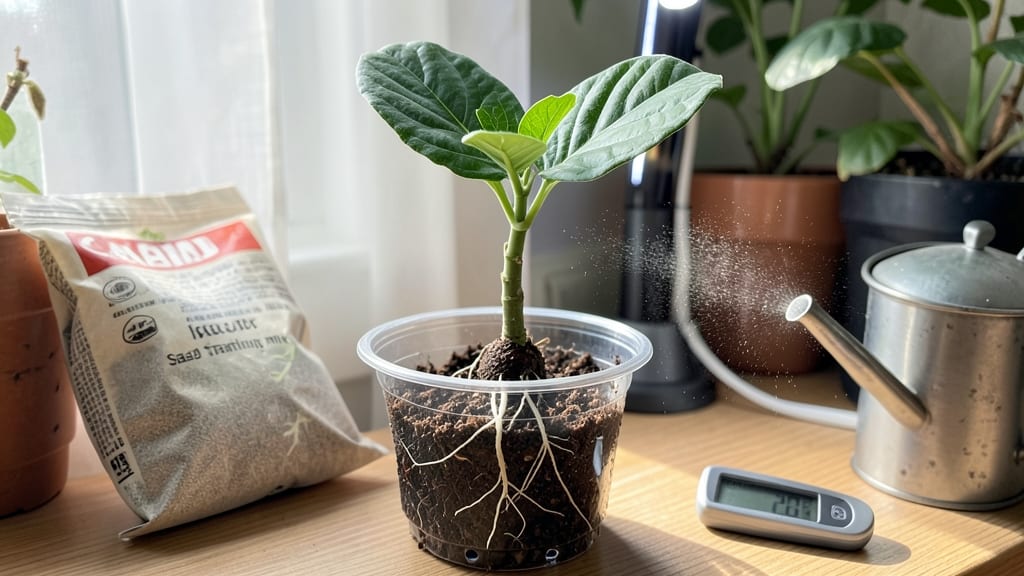
If you're wondering "when can I plant my avocado seed in soil", timing is everything—especially if you want your 🥑 seedling to thrive. Planting too early in cool soil can drown delicate roots, while waiting too long might stunt growth before it even starts.
The right moment depends on your climate, but there's a simple rule: soil should be warm and workable, usually by late spring when frost risks fade.
Most gardeners make the mistake of rushing the process, but patience pays off. I’ve seen avocado seedlings struggle when transplanted into cold ground, only to recover with proper care. The key is watching for signs like sturdy stems and healthy leaves—these tell you your seedling’s ready for the big move.
Let’s break down exactly when and how to plant based on your zone.
Whether you’re in a warm coastal area or a cooler inland region, understanding your local frost dates and soil temperatures makes all the difference. For example, zones 9-11 can plant as early as March, while cooler zones might wait until May.
I’ll walk you through the exact steps to avoid common pitfalls and give your avocado the best shot at becoming a lush, fruit-bearing tree.
Ready to get growing? By the end of this guide, you’ll know exactly when to transition your seedling from water to soil—and how to set it up for long-term success. No more guesswork, just confident planting!
Optimal avocado seed planting timeline by USDA climate zones
Timing your avocado seed's transition from water to soil depends on your USDA climate zone and local frost risks. Avocados thrive in Zones 8–11, where warm soil and frost-free conditions are non-negotiable.
In cooler zones (like 7 or below), you’ll need to start seeds indoors 8–10 weeks before your last frost date to give them a head start.
For most gardeners in Zones 9–11, the ideal window is late spring to early summer (May–June), when soil temperatures consistently stay above 60°F (15°C). In Zone 8, wait until after Memorial Day to avoid unexpected frost damage. Remember: Avocado seedlings hate cold soil—roots need warmth to establish.
Here’s how to adapt your planting timeline based on your zone:
| USDA Zone | Best Planting Window | Soil Temp Threshold | Key Risk |
|---|---|---|---|
| Zone 8 (e.g., Central California) | Late May–June | 60°F+ (15°C) | Late frost |
| Zone 9 (e.g., Southern California) | April–May | 65°F+ (18°C) | Heat stress |
| Zone 10 (e.g., Florida, Hawaii) | March–April | 70°F+ (21°C) | Humidity rot |
| Zone 11 (e.g., Puerto Rico) | Year-round (indoor/outdoor) | 75°F+ (24°C) | None |
If you’re in Zone 7 or cooler, treat your avocado seed like a tropical houseplant. Start it indoors in winter (Jan–Feb) and transplant only after all frost risk has passed—usually June 1 or later. Use a heat mat to keep soil temps stable if you’re impatient!
Pro tip: Test your soil’s warmth with a soil thermometer. Avocado roots need consistent warmth—if temps dip below 55°F (13°C), growth stalls. In Zone 8–10, aim for 60°F+ (15°C) for 2+ weeks before planting.
For gardeners in humid climates (e.g., Florida), avoid planting during peak summer rains (June–July). Excess moisture causes root rot, a silent killer for young seedlings. Instead, plant in early spring (March) or fall (September) for gentler conditions.
In arid zones (e.g., Arizona, Southern California), water stress is the bigger enemy. Plant in late spring (May) when daytime temps are high but nights stay mild. Mulch heavily with straw or wood chips to retain moisture and cool roots.
One common mistake? Planting too early because the seedling “looks ready.” Don’t rush! Wait until you see 2–3 sets of mature leaves and roots 2–3 inches long. This ensures your seedling has the energy to handle the shock of soil transition.
🌱
How to tell when your avocado seedling is ready for soil (key growth signs)
Your avocado seedling has spent weeks in water, sprouting roots and leaves—but how do you know it’s ready for soil? Rushing the transition can shock delicate roots, while waiting too long risks stunted growth or root-bound stress.
The key is watching for three critical signs: root development, stem strength, and leaf maturity. These indicators ensure your seedling can handle the shift from water to soil without stress.
First, check the roots. Healthy avocado seedlings develop white, fibrous roots that are 1–2 inches long. If roots are tangled or circling the glass jar, it’s a sign they’re ready to stretch into soil.
Gently remove the seedling from water and inspect—if roots fill half the jar, it’s time to plant. Long, sparse roots mean it’s not ready yet.
Next, examine the stem. A ready seedling has a thick, sturdy stem (about ¼-inch diameter) that stands upright on its own. If it flops over or feels weak, give it more time in water.
The stem should also show small bumps where new roots will form—these are your cue to transplant. Leggy, thin stems are a red flag for weak seedlings.
Finally, focus on the leaves. Your seedling is ready when it has 3–5 mature leaves (about 2–3 inches long) and at least one set of compound leaves (feather-like fronds). If leaves are small, yellowing, or curling, delay planting.
Healthy leaves should be deep green and leathery to the touch. Pale or wilted leaves signal it’s not ready for soil.