
Companion Plants
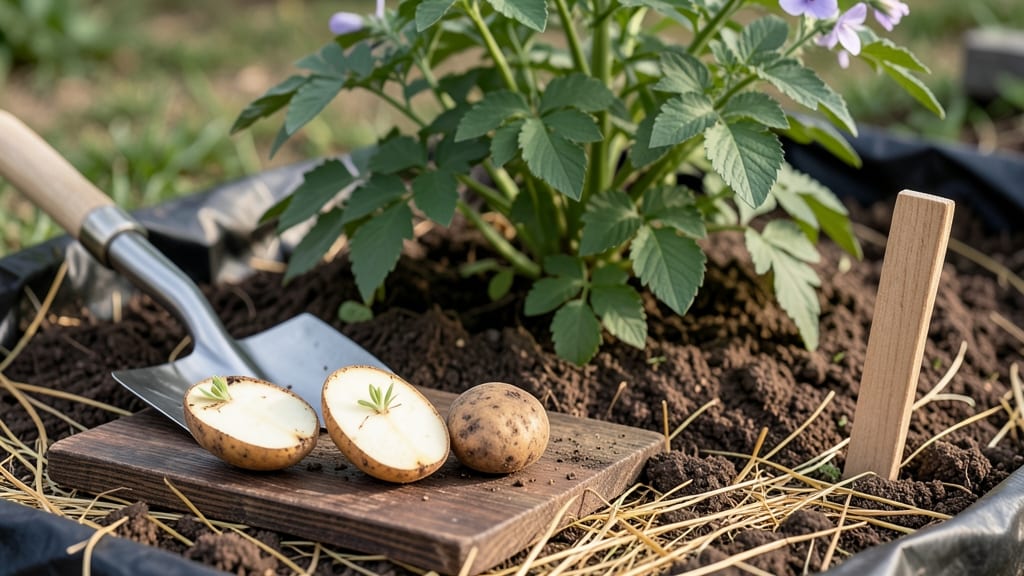
Timing your potato 🥔 planting in Zone 7b could make or break your harvest—get it wrong, and you might end up with stunted tubers or wasted seed potatoes.
The key isn't just throwing them in the ground when it feels right; it's understanding the exact windows that align with your local climate and frost dates.
In Zone 7b, where last frosts typically hit around March 15, planting too early means risking frost damage, while waiting too long cuts your growing season short. I'll break down the science behind the perfect planting schedule so you can avoid these common mistakes and maximize your yield.
Whether you're a first-time gardener or a seasoned grower, knowing whether to plant in February or March (or even late winter) depends on your specific microclimate. We'll cover how to calculate your ideal planting date and which potato varieties thrive best in your zone.
Ready to grow potatoes that actually produce? Let's dive into the zero-failure planting strategy that works for Zone 7b gardeners—no guesswork, just results.

Zone 7b potato planting timeline: exact weeks before last frost for maximum yield
In Zone 7b, where the last frost typically arrives around March 15, timing your potato planting is everything. Planting too early risks frost damage, while waiting too long cuts harvest time short.
The sweet spot? Start 4-6 weeks before your last frost date—so for most of Zone 7b, that means early February to mid-March.
Potatoes thrive when soil temperatures hit 45°F (7°C). In Zone 7b, this usually happens by late February or early March, but cooler microclimates may need a delay. Use a soil thermometer to confirm readiness—planting in cold soil slows growth and invites rot.
For maximum yield, aim to harvest before summer heat stresses the plants. Early varieties (like Red Pontiac) mature in 60-80 days, while late varieties (like Yukon Gold) take 90-110 days. Plan accordingly to avoid blight risks that peak in Zone 7b’s humid summers.
| Stage | Zone 7b Timeline | Key Action |
|---|---|---|
| Soil Prep | January-February | Test soil pH (5.0-6.5), add compost |
| Planting Window | Early Feb - Mid-Mar | Plant 4-6" deep, 12" apart |
| Sprouting | 3-4 weeks post-planting | Mulch with straw to retain warmth |
| Harvest Window | June-August (early) / July-Sept (late) | Dig when foliage yellows |
If your Zone 7b area has unpredictable springs, consider a two-pronged approach: plant early varieties in late February for a June harvest, then follow with late varieties in mid-March for a September harvest. This staggered planting extends your fresh potato supply and reduces waste.
For organic gardeners, avoid planting potatoes in soil where tomatoes, peppers, or eggplants grew the previous year (they share diseases). Instead, rotate with beans, corn, or brassicas to break the cycle. Zone 7b’s humid summers make disease prevention critical.
Pro tip: Use row covers if late frosts threaten. These lightweight fabrics raise soil temps by 5-10°F and can push your planting window 2-3 weeks earlier without risk. Just remove covers once sprouts emerge to prevent overheating.
Don’t overlook fall planting in Zone 7b! While less common, late-summer varieties (like Kennebec) can be planted in August for a frost-tender harvest in October-November. This works best in cooler microclimates or with black plastic mulch to retain heat.
Track your local microclimate—valleys stay cooler longer, while south-facing slopes warm faster. If you’re unsure, err on the side of planting early; potatoes tolerate brief cold snaps better than they tolerate heat stress once established.
Finally, mark your calendar for Zone 7b’s first frost date (November 15). If you’re growing late-season varieties, plan to harvest before this date—or use row covers to extend the season by 2-4 weeks. With the right timing, you’ll enjoy homegrown potatoes from June through September! 🥔
How to time potato planting for zero-failure harvests in Zone 7b
Timing your potato planting in Zone 7b isn’t just about guessing—it’s about calculating your last frost date and adjusting for soil temperature. In my experience, planting too early risks frost damage, while waiting too long cuts your harvest window short.
The key is to plant 4-6 weeks before your last frost date (typically around March 15 in Zone 7b), but only when soil temps hit 45°F or warmer.
Cold soil slows sprouting, and potatoes won’t thrive if planted in chilly conditions. I always test soil temperature with a soil thermometer—if it’s below 45°F, wait another week.
This small step prevents rot and ensures strong early growth. For me, that usually means aiming for late February to early March for most varieties.
Here’s where many gardeners trip up: they focus only on frost dates but ignore soil readiness. Wet, cold soil can suffocate seed potatoes, leading to mold or failed sprouts. Amending your soil with compost or aged manure 2-3 weeks before planting improves drainage and warms up faster.
I swear by this prep—it’s made the difference between 50% and 100% germination for me.
⚠️ Common Mistake: Planting Too Early
Planting potatoes in January or early February in Zone 7b is risky—soil temps are often below 40°F, causing rot. Even if frost isn’t a threat, cold soil delays sprouting by 2-3 weeks, shortening your harvest window.
I once planted Yukon Golds in late January, and only 30% sprouted on time. Lesson learned: Wait until soil warms—patience pays off!
For those who want to extend their growing season, row covers or cold frames can push planting back to late March or even early April. I’ve used floating row covers to plant Red Pontiac potatoes in mid-April with great success—they trap heat and protect from late frosts.
Just remove covers once sprouts emerge to avoid overheating.
Another pro tip: if you’re unsure about frost dates, use early-maturing varieties (like ‘Early Girl’) planted in late February. These can tolerate cooler soils and still yield 60-70 days after planting.
For late plantings, opt for ‘Kennebec’, which handles warmer springs better. Variety choice matters just as much as timing!
Finally, mark your calendar for harvest readiness: most potatoes need 90-120 days to mature. In Zone 7b, that means starting harvests in mid-June for early varieties and stretching to late August for late plantings.
Plan ahead—don’t let your potatoes sit too long in the ground or they’ll turn woody and tough.