
Companion Plants
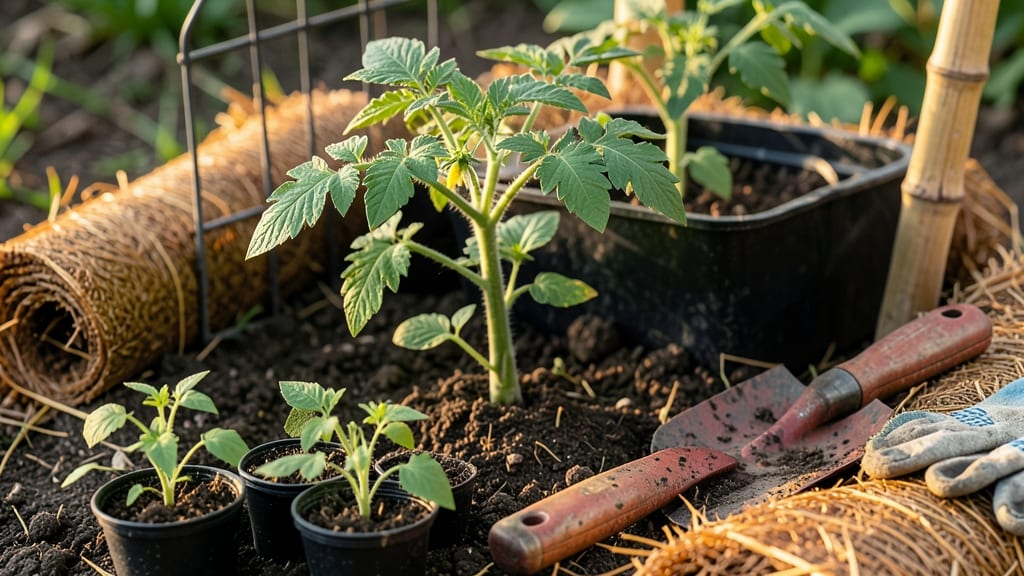
If you're asking "when can I plant tomatoes in Ohio", the answer isn't just about dates—it's about avoiding frost, waiting for warm soil, and picking the right variety for your county.
Ohio's 6a climate means timing matters more than you'd think, with frost lingering until mid-April in some areas while southern Ohio warms up faster.
Most gardeners wait until after the last frost—typically mid-April to early May—but soil temperature is the real game-changer. Tomatoes need 60°F+ soil to thrive, and planting too early can stunt growth or invite pests.
That's why I'll break down exactly when to start seeds indoors versus transplanting ready plants, plus how to protect young 🍅 seedlings if late frosts sneak in.
You'll also discover which tomato varieties perform best in Ohio's short season, from heat-tolerant types for southern counties to early-maturing options for northern gardens. Whether you're a first-time planter or a veteran gardener, these insights will help you maximize your harvest from July through September.
Let's dive into the specifics—soil tests, frost-free zones, and even companion plants that can boost your tomato's success. Your perfect planting window starts here.
Ohio’s last frost dates by county: the critical timeline for tomato planting
Ohio’s last frost dates vary dramatically across its 114 counties, from the Appalachian foothills to the Great Lakes shoreline. These dates determine whether you’ll grow early-maturing cherry tomatoes in northern Ohio or heat-resistant beefsteaks in the south.
Missing the window by even a week can mean frost damage or stunted growth—so let’s break it down by region.
For most of Ohio, the average last frost date falls between April 15 and May 1. However, counties like Ashtabula (northwest) often see frost as late as May 15, while Lawrence County (southeast) typically warms up by April 1.
Microclimates near lakes or valleys can shift these dates by 1-2 weeks, so always check local records.
Use this rule of thumb: Plant after your county’s last frost date AND when soil temperatures hit 60°F+ (we’ll cover soil temps next). For northern Ohio, start transplants indoors in March and move them out after May 1.
In southern Ohio, you can direct-sow seeds as early as April 15.
Here’s how Ohio’s regions stack up—plus planting windows for early, mid-, and late-season varieties:
🌱 Ohio Last Frost Dates & Tomato Planting Windows
| Region | Avg. Last Frost | Early Varieties | Mid-Season | Late Varieties |
|---|---|---|---|---|
| Northern Ohio (e.g., Cuyahoga, Lorain) | May 1–15 | Start indoors March 15 | Transplant May 15 | Use row covers |
| Central Ohio (e.g., Franklin, Delaware) | April 15–30 | Direct-sow April 1 | Transplant April 20 | Plant June 1 for late harvest |
| Southern Ohio (e.g., Scioto, Adams) | March 20–April 15 | Direct-sow March 1 | Transplant April 1 | Plant July 1 for fall tomatoes |
| Appalachian (e.g., Athens, Vinton) | April 1–15 | Start indoors Feb 15 | Transplant April 10 | Extend season with cold frames |
*Dates based on 30-year averages; check Old Farmer’s Almanac for yearly updates.
Pro tip: Northern Ohio gardeners should prioritize early-maturing varieties like ‘Early Girl’ (60 days) or ‘Stupice’ (55 days) to beat the clock. Meanwhile, southern Ohio’s longer season lets you try heirlooms like ‘Brandywine’ (85 days) or ‘Cherokee Purple’ (75 days)—just plant them earlier.
If you’re in a transition zone (e.g., Columbus or Dayton), err on the side of caution. A late frost in May can wipe out seedlings overnight. Use frost cloth or row covers until mid-May to play it safe.
For container gardening, move pots indoors or to a garage if frost is forecasted after planting.
Remember: Tomatoes hate cold soil. Even if the air warms up, soil temperature below 50°F will stunt roots. Test your soil with a soil thermometer (insert 2 inches deep) before planting. If it’s below 60°F, wait another week—your tomatoes will thank you with bigger yields and
Soil temperature requirements for tomatoes in Ohio: how warm is warm enough?
Ohio’s soil temperature is the real secret to tomato success—even if air temps feel warm, cold soil stunts root growth. Tomatoes thrive when soil hits 60°F or warmer, but most Ohio gardeners wait until 65°F+ to ensure strong starts.
Without this warmth, seedlings weaken, yellow leaves appear, and your harvest shrinks. Don’t rush! Test your soil with a soil thermometer (cheap and game-changing) to avoid costly mistakes.
Northern Ohio’s Appalachian regions (like Ashtabula County) often lag behind southern areas (e.g., Hamilton County) by 1-2 weeks in soil warming. If your soil isn’t ready by late May, use row covers or black plastic mulch to speed up warming.
Pro tip: Dark mulch absorbs sunlight like a solar panel, raising soil temps by 5-10°F in just days.
⚠️ CALLOUT WARNING ⚠️
Planting Tomatoes in Cold Soil = Disaster
Soil below 55°F causes:
- ✖ Stunted roots (roots stop growing below 50°F)
- ✖ Yellow lower leaves (nutrient uptake fails)
- ✖ Blossom drop (flowers abort due to stress)
Fix it: Wait for 60°F soil or use heat mats for containers.
Need a quick fix? Cold frames or cloches (glass covers) can add 10-15°F to soil warmth overnight. Place them over seedlings after planting to protect tender roots. In central Ohio (Columbus area), aim for mid-May planting—soil temps typically hit 60°F by May 15th.
Track your local USDA Plant Hardiness Zone (Ohio spans Zone 5b-6b) for finer adjustments.
Mistake I see often? Gardeners focus on air temperature instead of soil temp. A 70°F afternoon might feel perfect, but if the soil is still 50°F, your tomatoes will suffer.
Use a soil thermometer for 3 days in a row to confirm consistency. Pro move: Bury it 2 inches deep (where roots form) for accurate readings.
For container-grown tomatoes, soil warms faster than in-ground beds. Fill pots with compost-rich mix and place them on black plastic trays to absorb sunlight.
In southern Ohio (like Lawrence County), you might plant as early as mid-April, but northern areas (e.g., Ashtabula County) should wait until late May. Always check Almanac frost dates as a backup.
Remember: Tomatoes hate wet feet in cold soil. Overwatering when soil is chilly drowns roots. Instead, water deeply once a week (if no rain) to encourage roots to seek warmth.
Pair this with mulch (straw or grass clippings) to lock in heat. With these tweaks, your Ohio tomatoes will burst with flavor instead of struggling to survive.