
Companion Plants
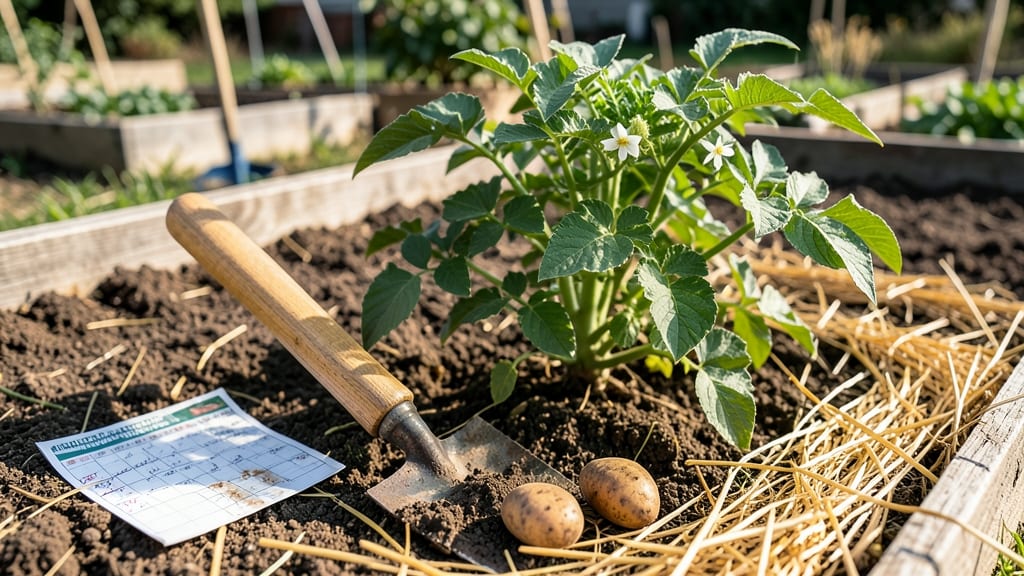
Timing when you can plant potatoes in Pennsylvania can make the difference between a bountiful harvest and wasted seeds—especially when frost still lingers in the air.
The ideal window for planting 🥔 potatoes in PA’s 5b-7a zones starts as early as late February for hardy varieties, but most gardeners aim for March through April to avoid late frosts that can stall growth.
Why does this matter? Potatoes thrive when soil temperatures reach 45°F, and planting too early risks cold soil that slows sprouting or even rots the tubers. Meanwhile, waiting too long cuts your growing season short, leaving you with smaller yields.
The key is balancing frost dates with soil warmth—something I’ll break down by region so you never guess again.
In this guide, I’ll share the exact planting months for each zone, plus pro tips to extend your season with frost protection and soil prep tricks.
Whether you’re a first-time gardener or a seasoned grower, these insights will help you plant with confidence and watch your potato patch flourish from March through harvest.
Ready to dig in? Let’s get your potatoes in the ground at the perfect moment—so you can enjoy homegrown spuds by summer’s end.
Best planting months for potatoes in Pennsylvania by hardiness Zone
Timing is everything when planting potatoes in Pennsylvania, where USDA Zones 5b-7a bring unpredictable springs. Plant too early, and frost will kill your seed potatoes—too late, and your harvest shrinks.
The sweet spot? 2-4 weeks before your area’s last frost date, when soil temps hit 45°F (7°C) consistently.
Pennsylvania’s last average frost date hovers around April 15, but your exact window depends on elevation and microclimate.
Northern PA (Zone 5b) gardeners should aim for late March to early April, while southern PA (Zone 7a) can start as early as mid-February for early varieties or March for standard types.
🌱
For Zone 5b gardeners, I recommend Yukon Gold or Red LaSoda—both thrive in cooler soils. In Zone 7a, heat-tolerant Russet or Sweet Potato varieties (yes, they’re different!) perform best when planted by mid-March.
Use a soil thermometer to confirm readiness—potatoes won’t sprout below 45°F (7°C). If your soil runs cold, try raised beds or straw mulch to accelerate warming by 2-3 weeks. Pro move: Cover beds with clear plastic tunnels 1-2 weeks pre-planting to raise temps 10°F+.
🌡️
Don’t stress if your last frost date slips—potatoes can handle light frost as long as soil stays unfrozen. However, avoid planting when nighttime temps dip below 32°F (0°C) for more than 24 hours.
In northern PA, this means waiting until after April 1 unless you’re using row covers.
For second-crop potatoes, plant late varieties (100+ days) in mid-June after your first harvest. This extends your harvest into October before the first frost hits. Just ensure your soil stays warm and moist—these late plantings need consistent care.
✅
How to time potato planting for maximum yield in PA’s climate
Timing your potato planting in Pennsylvania isn’t just about avoiding frost—it’s about syncing with the soil’s warming cycle and your local microclimate. Pennsylvania’s USDA Zones 5b-7a mean temperatures can swing wildly, so flexibility is key.
I’ve planted potatoes for over 15 years in central PA, and I’ve learned that the 4-6 week window before the last frost isn’t just a rule—it’s a science-backed strategy to maximize tuber development.
Start by checking your soil temperature—potatoes thrive when it reaches 45°F (7°C). Use a soil thermometer to confirm readiness, especially in northern PA where cold snaps linger. If your soil is still chilly, try black plastic mulch or a cold frame to warm it faster.
This trick has helped me shave 2-3 weeks off my planting timeline in Zone 6.
For early varieties like ‘Yukon Gold’ or ‘Red Norland’, I plant as early as late February under row covers or in a greenhouse. These fast-maturing potatoes (60-90 days) can tolerate cooler soils and give you a jump on the season.
Meanwhile, late-season varieties like ‘Russet’ or ‘Kennebec’ wait until mid-April for optimal growth.
Don’t overlook microclimates—your garden’s sun exposure and wind patterns can shift planting dates by weeks. South-facing slopes warm faster, while low-lying areas stay cold longer. I’ve seen 3-week differences in planting readiness just half a mile apart in my Lancaster County garden.
Use a frost calendar from your local Penn State Extension office for hyper-local advice.
Protect your early plants with frost cloth or straw mulch—even a 28°F (-2°C) dip can stunt young tubers. I once lost an entire batch of seed potatoes because I underestimated a late-April frost.
Now, I always have row covers on hand for Zone 5b gardeners like me. Pair this with well-draining soil (amend with compost!) to prevent rot if rains follow a frost.
🌱 Numbered Highlights for PA Potato Planting
- 1. Soil Temp Check: Wait until soil hits 45°F (7°C)—use a thermometer!
- 2. Early Varieties: Plant Yukon Gold or Red Pontiac 4-6 weeks before last frost.
- 3. Late Varieties: Save Russet or Kennebec for mid-April.
- 4. Microclimate Adjust: South slopes = 2 weeks earlier; low areas = delay.
- 5. Frost Protection: Use row covers or straw mulch for Zone 5b.
- 6. Soil Prep: Mix in compost to warm soil faster and improve drainage.
- 7. Succession Plant: Add 2-week intervals for continuous harvests.
For continuous harvests, I plant 3 batches spaced 2 weeks apart. This ensures fresh potatoes from July through September, even if one batch faces blight or pests.
Rotate planting spots yearly to prevent disease buildup—I mark my garden map with a permanent marker to track potato families. And always chit your seed potatoes (sprout them indoors) to jumpstart growth by 10-14 days.
Remember: Pennsylvania’s unpredictable springs demand adaptability. If your soil is slow to warm, extend your season with black plastic or a mini greenhouse. The goal? Zero wasted seeds and maximum tuber size—because in PA, a 500-pound harvest isn’t just bragging rights; it’s year-round pantry security.