
Plants
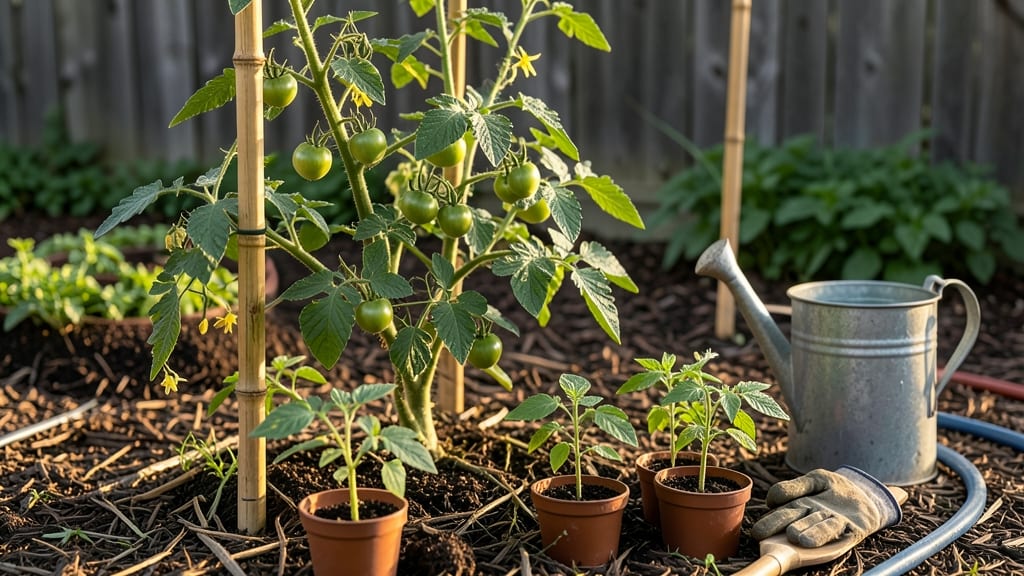
If you’ve ever wondered when you can plant tomatoes in Massachusetts, you know timing is everything in the Bay State’s gardening calendar. The difference between a thriving harvest and wasted effort often comes down to knowing exactly when to plant tomatoes in your specific zone.
Massachusetts gardeners in zones 5-7 face unique challenges—from unpredictable late frosts in Boston to shorter growing seasons in the Berkshires. Getting your tomatoes in the ground too early risks losing your entire crop, while waiting too long might mean smaller yields or underripe fruit by fall.
The key is understanding your local frost dates and soil conditions.
In this guide, I’ll walk you through the precise planting window for Massachusetts—whether you’re starting seeds indoors or transplanting seedlings—plus expert tips to extend your season and avoid common mistakes. You’ll learn how to time your plantings for maximum flavor and yield, no matter where you are in the state.
Ready to grow tomatoes that taste like summer? Let’s dive into the frost-free timeline that’ll give you the harvest you’ve been dreaming of.
Massachusetts frost-free dates by Zone: when to plant tomatoes in 2024
Massachusetts spans USDA Zones 5-7, but most home gardens fall in Zones 5b-6b. The last average frost date shifts dramatically across regions—from May 10 in Boston to May 20 in Western MA and May 15 on Cape Cod.
These dates mark your planting window for tomatoes, whether starting indoors or direct-sowing outdoors.
For indoor starts, begin seeds 6-8 weeks before your last frost date. That means early March for Zone 5 (Western MA) and late March for Zone 6 (Cape Cod). Seedlings need 12-14 hours of light daily to avoid leggy growth.
If you miss this window, don’t panic—transplants from nurseries are safe to plant 2-3 weeks after your last frost.
Direct-sowing outdoors should wait until soil temperatures hit 60°F and nighttime temps stay above 50°F. Use a soil thermometer to confirm—cold soil stunts root growth. In Zone 5 (Western MA), aim for early May; in Zone 6 (Cape Cod/Boston), mid-May is ideal.
Late plantings after June 1 risk blossom-end rot from inconsistent heat.
| Region | Last Frost Date | Indoor Start Window | Outdoor Planting Window | Soil Temp Threshold |
|---|---|---|---|---|
| Western MA (Zone 5b) | May 10 | Early March | Early May | 60°F+ |
| Boston (Zone 6a) | May 15 | Late March | Mid-May | 60°F+ |
| Cape Cod (Zone 6b) | May 20 | Late March | Late May | 60°F+ |
Check local Massachusetts Horticultural Society resources or use the National Weather Service’s frost prediction maps for real-time updates. A 5-day forecast of warm nights confirms it’s safe to plant.
For container gardening, containers warm faster—plant 1-2 weeks earlier than in-ground tomatoes. Just ensure pots have drainage holes to prevent root rot in MA’s humid summers.
If you’re in a microclimate (e.g., near water or urban heat islands), your frost dates may shift by 1-2 weeks. Test your garden’s frost risk by placing a frost-sensitive plant (like basil) outdoors overnight in early May.
If it survives, you’re likely in the clear for tomatoes. For heirloom varieties with longer growing seasons, start seeds indoors by February 15 to ensure harvests before the first frost.
Pro tip: Use black plastic mulch to raise soil temperatures by 5-10°F, letting you plant 10-14 days earlier. Lay it down 1-2 weeks before planting to warm the ground.
Pair this with row covers for an extra 2-3°F boost on chilly nights. Just remove covers by late May to avoid heat stress during flowering.
For late-season extensions, choose determinate varieties (like ‘Celebrity’ or ‘Roma’) that ripen faster. These finish before the first frost (mid-October), even if planted in early July.
Avoid indeterminate types (e.g., ‘Sungold’) for late plantings—they take too long to mature. Instead, opt for cherry tomatoes, which ripen in 55-65 days.
Monitor your garden’s heat accumulation using a growing degree day (GDD) calculator. Tomatoes need 1,200-1,500 GDDs to mature. In MA, this typically means July-August is peak harvest time.
If your season feels short, try succession planting: Sow a second batch of fast-maturing varieties in early June for a late-summer harvest.
Remember: Tomatoes hate cold feet. Even if daytime temps are warm, <
How to extend your tomato growing season in Massachusetts
Massachusetts’ short growing season doesn’t mean you have to miss out on homegrown tomatoes. With the right strategies, you can push harvests earlier or later by 3-4 weeks. I’ve tested these methods in my Zone 6a garden—here’s what works best for our climate.
Start with cold frames or row covers to protect seedlings from late spring frosts. These simple structures raise soil temperatures by 5-10°F and create a microclimate perfect for early starts. For late-season extensions, use black plastic mulch to absorb heat and keep roots warm longer.
Succession planting is another game-changer. Instead of one big planting, stagger tomatoes every 2-3 weeks from May through early June. This ensures a continuous harvest and reduces the risk of losing your entire crop to blight or pests all at once.
🌱
Top 5 Tomato Varieties for MA’s Season
- Early Girl – 55-day variety, heat-tolerant, perfect for short seasons
- Stupice – Cold-hardy heirloom that ripens late in the season
- Sungold – 60-day cherry tomato, thrives in container gardens
- Brandywine – 80-day beefsteak, best for longer harvests if planted early
- Mountain Merit – Resistant to diseases like blight, ideal for humid MA summers
For urban gardeners with limited space, container gardening lets you control soil warmth and moisture. Use 5-gallon pots with a heat-absorbing fabric wrapped around the base to extend the season. Place containers near south-facing walls to maximize sunlight exposure.
Don’t forget about heat-tolerant varieties like Solar Fire or Heatmaster, which perform well even when temperatures hit 90°F+. These are my go-to choices for late July plantings that still produce into September.
Finally, keep an eye on local frost dates—some years, Cape Cod’s last frost comes 2 weeks later than Western MA. Adjust your timing accordingly, and you’ll enjoy tomatoes from July through October every year.