
Companion Plants
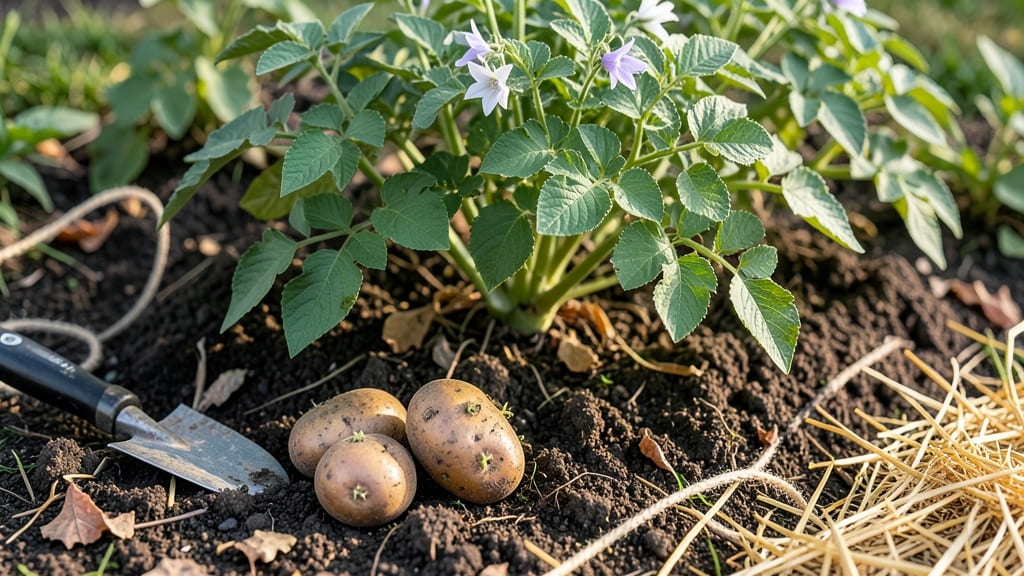
If you’ve ever wondered when to plant potatoes in Zone 7, timing is the secret weapon between a bountiful harvest and wasted effort. One week too early, and frost can turn your spuds to mush; too late, and you’ll miss the sweet spot for peak flavor and yield.
The answer isn’t just about dates—it’s about soil warmth, frost risks, and the right potato variety for your goals.
In Zone 7, where last frosts can vary by 2–3 weeks depending on microclimates, planting too soon means stunted growth, while waiting too long cuts your harvest window short.
I’ll break down the exact weeks before last frost to aim for, plus how to adjust for early vs. late varieties—so you can start planting with confidence, not guesswork.
Whether you’re growing Yukon Golds for creamy mash or Kennebecs for crisp fries, the key lies in soil temperature and frost dates. You’ll learn how to prep your soil, choose the right timing for your location, and avoid common mistakes that sabotage Zone 7 gardens.
Let’s get those 🥔 in the ground at the perfect moment.
By the end, you’ll know not just when to plant, but why—so you can troubleshoot early frost, extend your harvest, and even save seeds for next year. Ready to turn your potato patch into a high-yielding success? Let’s dig in.

Best planting weeks before last frost in Zone 7 for potatoes
In Zone 7, potatoes thrive when planted 2-4 weeks before your last spring frost date. This timing ensures soil temperatures stay above 45°F—critical for germination—while avoiding late frosts that can kill young sprouts.
For most of Zone 7, this window falls between mid-March and early April, but exact dates vary by microclimate (e.g., Piedmont regions may plant 1-2 weeks earlier than coastal areas).
Use your average last frost date as your guide. For example, if your last frost is April 15, aim to plant March 20–April 5. Check local Almanac frost charts or plant test potatoes in small pots 2 weeks before your target date to confirm soil readiness.
Soil temperature matters more than air temperature. Potatoes won’t sprout until soil reaches 45–50°F. Use a soil thermometer to verify—planting too early in cold soil can delay harvests by 3–4 weeks or invite rot.
In humid Zone 7 summers, early planting also reduces blight risks by letting tubers mature before peak fungal pressure.
Here’s the golden rule: Plant when you can work the soil without it sticking to your shovel. If it’s dry and crumbly, it’s ready. If it’s soggy or icy, wait. Pro tip: Mulch heavily after planting to stabilize soil temps and retain moisture.
🌱
| Planting Window | Soil Temp Requirement | Zone 7 Microclimate Adjustments | Harvest Window |
|---|---|---|---|
| Early Varieties (e.g., Red Norland) | 45–50°F (2–4 weeks before last frost) | Piedmont: March 15–25 Coastal: March 25–April 5 |
60–75 days after planting |
| Mid-Season (e.g., Yukon Gold) | 50–55°F (3–4 weeks before last frost) | Piedmont: March 20–April 5 Coastal: April 1–15 |
75–90 days after planting |
| Late Varieties (e.g., Kennebec) | 55–60°F (4–6 weeks before last frost) | Piedmont: April 1–15 Coastal: April 15–May 1 |
90–110 days after planting |
🌡️ Note: Adjust for high-elevation areas (plant 1–2 weeks later).
For Zone 7 gardeners, late-spring planting (after April 15) is risky unless you’re growing late-maturing varieties like Kennebec. If you miss the spring window, consider fall planting (see next section), but know yields may drop by 20–30% due to shorter growing seasons.
Always chit your seed potatoes 4–6 weeks before planting to jumpstart growth.
Another pro move: Stagger plantings every 2 weeks for a continuous harvest. For example, plant Red Norland on March 20, Yukon Gold on April 5, and Kennebec on April 20. This spreads out your harvest workload and reduces blight exposure for early crops.
If you’re in a warmer microclimate (e.g., near the coast), you might see earlier sprouts in February—but wait until soil warms to 50°F to avoid stunted plants. Use black plastic mulch to warm soil faster if needed.
Finally, avoid planting after May 1 unless you’re in a high-altitude Zone 7 area (e.g., Appalachian foothills). Tubers need 60–120 days to mature, and planting late means harvests won’t finish before fall frosts in October.
🌿
How to adjust planting for potato variety and harvest goals
Not all potatoes are created equal—and neither are their planting schedules! In Zone 7, your choice of variety directly impacts when you should plant.
Early varieties like Yukon Gold or Red Norland need to hit the ground 4-6 weeks before last frost, while late varieties like Kennebec can wait until 2-3 weeks before frost. Timing these right ensures you harvest at peak flavor and texture.
For a continuous harvest, consider succession planting. Plant early varieties first, then follow with mid-season types like Russet Burbank 2-3 weeks later. This stretches your harvest from early summer to fall, giving you fresh spuds for roasting, mashing, or storage.
Just be sure to space them out—overcrowding leads to smaller tubers and disease risks.
Here’s a quick guide to match your harvest goals with planting windows:
Pro tip: If you’re aiming for a fall harvest, late varieties are your best bet—but they need warmer soil (at least 45°F) to sprout. Use a soil thermometer to check before planting. Cold soil delays germination, and slow starts mean smaller yields.
For Zone 7 gardeners, don’t forget about fall planting! Some varieties, like Yukon Gold or Red Norland, can be planted in late summer (August) for a winter harvest.
Just be prepared to harvest before the first hard frost—these potatoes won’t survive freezing temps in the ground.
Match your variety to your goals, and you’ll enjoy a bountiful harvest all season long. Happy planting! 🥔🌱